North Georgia storms can be rough on a roof. Hail may only last a few minutes, but the impact on shingles and flashing can stick around for years if it is not handled the right way. Hail damage roof repair is not just about fixing what you can see; it is about stopping slow leaks, hidden cracks, and early roof failure before they cost you a lot more later.
In late summer, our area often gets strong afternoon storms that lead into heavier fall rains. That timing matters. If hail has already weakened your roof, the next round of storms can push water into your attic, insulation, and walls. In this article, we will walk through how hail really affects your roof, what to look for, what proper repair includes, and why an engineer-led team makes a difference in North Georgia.
Why Hail Damage Roof Repair Matters Before Leaks Start
Waiting until you see a ceiling stain means the damage has already spread. Hail can bruise shingles, break protective layers, and loosen seals long before water shows up inside your home. By the time a leak appears, water may have been working into wood and insulation for a long time.
Hidden hail damage can lead to several expensive problems if it is ignored, including shortened roof life and early replacement, voided manufacturer or workmanship warranties, mold in the attic or wall cavities, rot in the roof deck or framing, and damaged insulation that increases energy use.
In North Georgia, where humidity stays high and heavy rain is common, even a small breach can turn into a big problem faster than many people expect. A quick glance from the driveway will not tell you the whole story. Careful inspection and thoughtful repair planning are what protect your home for the long term.
Our team at Vest Construction is built around that kind of thinking. We are a licensed and insured roofing and construction company led by a Professional Engineer and a licensed General Contractor. That means we look at hail damage as both a roofing issue and a structural water intrusion risk, and we pay attention to how repairs line up with typical insurance requirements.
How North Georgia Hail Really Damages Your Roof
Hail does not hit every roofing material the same way. Some problems are easy to spot, some are not. In our area, we see damage across common residential roofs like:
- Asphalt shingles, where hail can knock off granules, bruise the mat below, and eventually cause cracking
- Architectural shingles, which can hide bruises better but still lose granules and suffer deep impacts
- Metal panels, which can dent, loosen fasteners, or damage coatings at seams and around screws
- Older roofs, where surfaces are already brittle and more likely to crack through
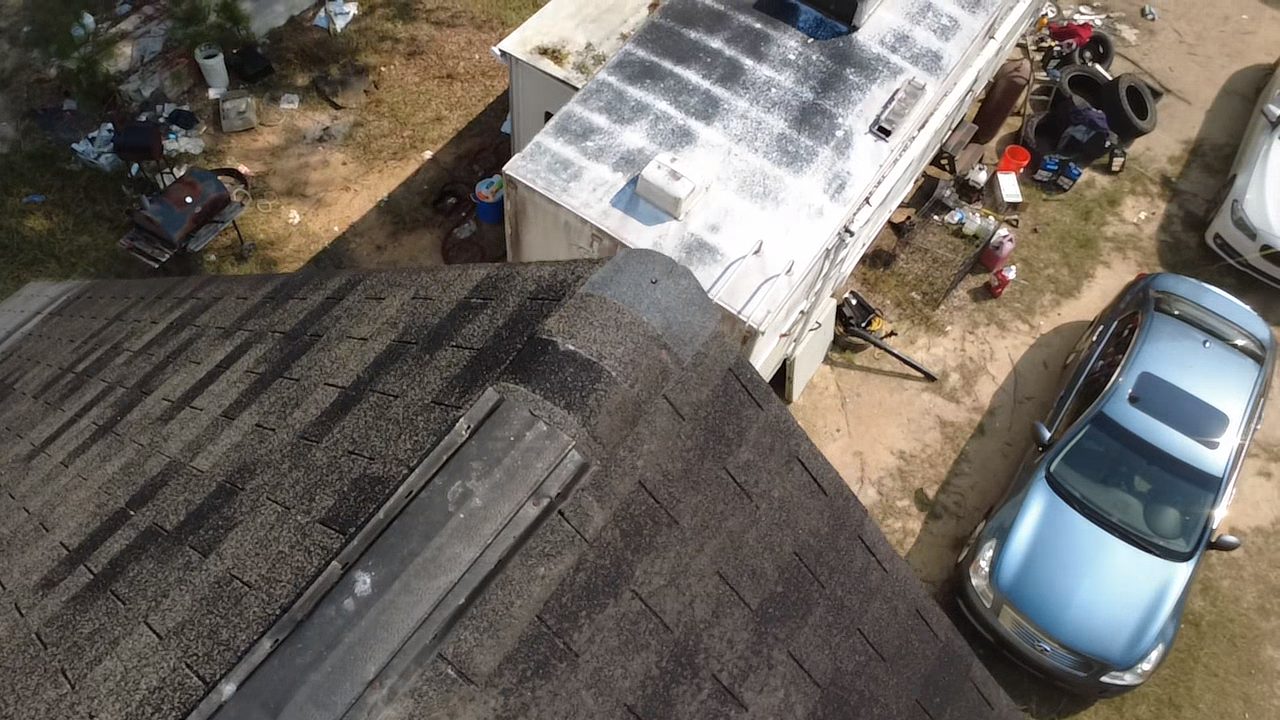
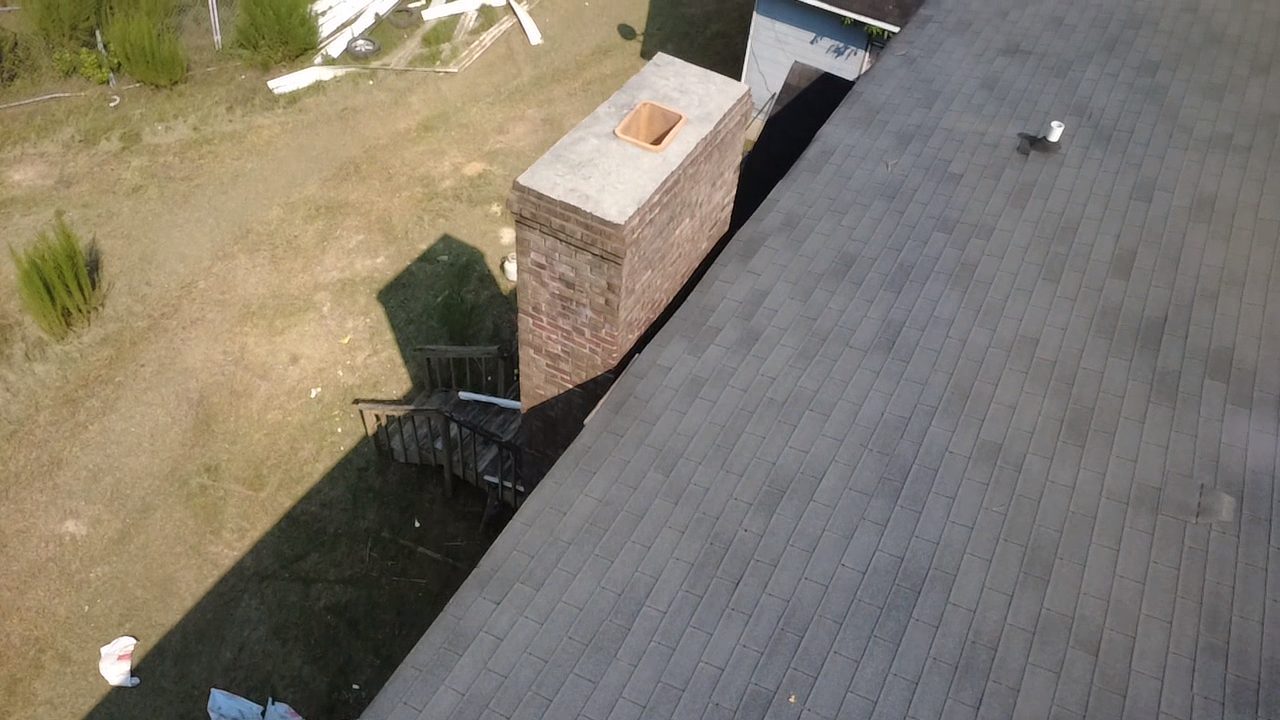
From the ground, those hits often look like nothing more than a slight discoloration, or you may not see them at all. On the roof, they can show up as soft spots you can feel under your hand, small circular marks, or tiny cracks in the surface.
Those small divots matter because they change how the roofing system ages and sheds water:
- Granule loss exposes the asphalt to UV light, speeding up aging
- A bruised shingle mat may break over time and stop shedding water correctly
- Repeated wet and dry cycles at those weak points let water work deeper into the system
Local terrain and weather also play a part. Steep-slope roofs in mountain areas take more direct impacts and are harder to inspect safely. Frequent summer thunderstorms mean your roof can get hit more than once before you think to have it checked. Combine that with high humidity, and any area the hail has opened up can stay damp, which is not good for wood or fasteners.
Spotting the Warning Signs Before the Next Storm
You do not need to climb around on your roof to get a clue that something is wrong. There are several signs a homeowner can safely look for from the ground, a window, or a sturdy ladder used with care. After a hailstorm, watch for:
- Granules building up in gutters, on patio surfaces, or at downspout ends
- Dents or dimples on gutters, downspouts, metal vents, or flashing
- Shingles that look dark in spots, bruised, or have missing corners
- Torn or lifted seals around pipe boots, vents, and skylights
- New ceiling stains, peeling paint, or musty smells indoors
It is usually safe to do a basic, cautious check around your home and in accessible areas:
- Walk your property and look up at the roof slopes
- Check gutters and downspouts for granules or dents
- Look into the attic with proper lighting for wet spots or daylight shining through
It is not safe to take risks that could cause injury or make damage worse, especially on steep North Georgia roofs:
- Walk steep or wet roofs
- Step on soft or damaged areas you are unsure of
- Try to peel up shingles or flashing to look underneath
A timely professional inspection after a hail event is especially important. Fresh damage is easier to see, easier to document, and less likely to have been made worse by follow-up storms. This is useful both for planning repairs and for working with your insurance company.
What Proper Hail Damage Roof Repair Includes
Not all hail damage roof repair is equal. Quick patchwork that only addresses what is obvious on top of the shingles does not restore the full roofing system. A proper repair starts with a full look at how the storm affected the roof and what that means for the rest of the house.
Our engineered approach typically includes:
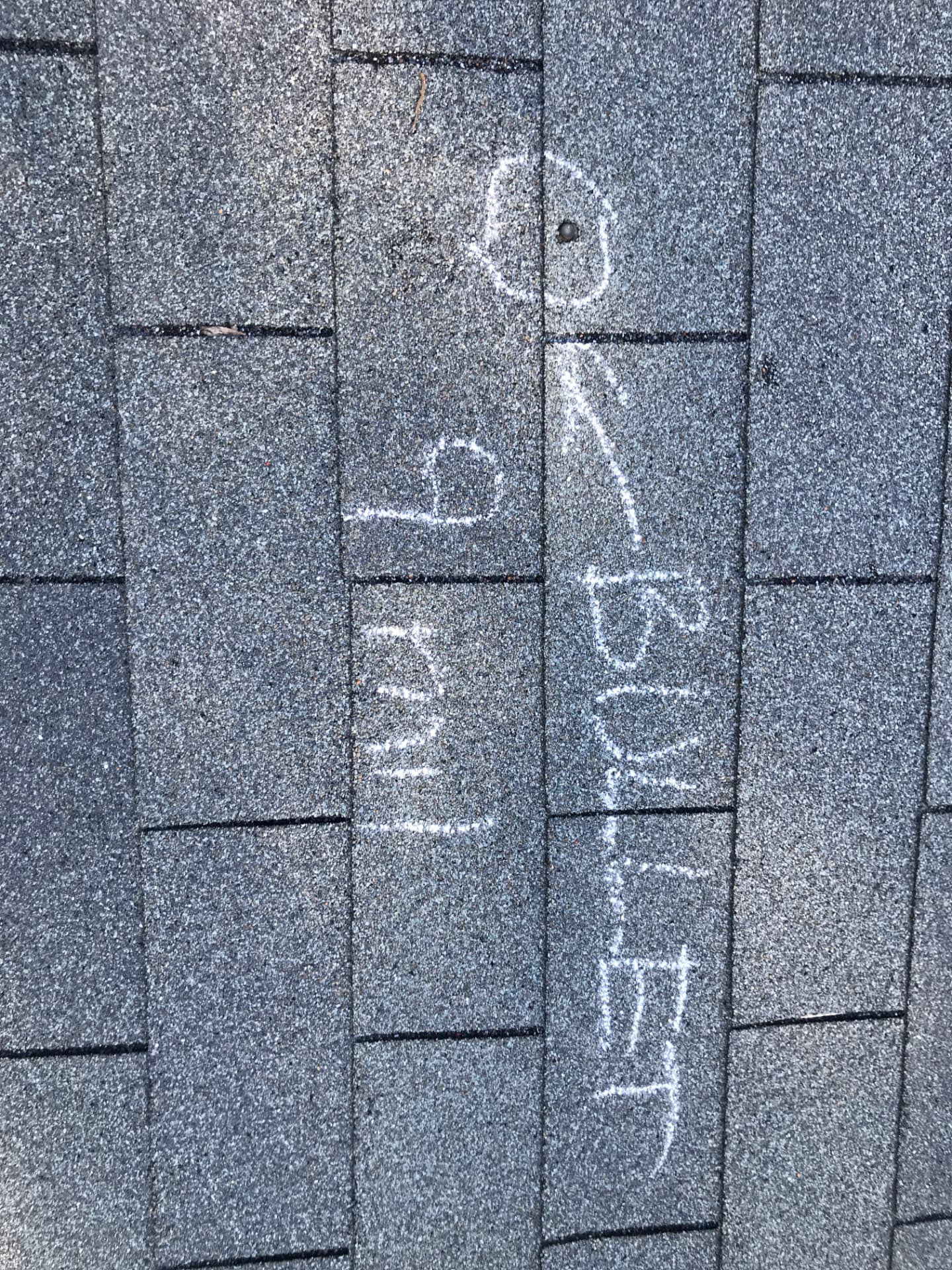
- Detailed roof inspection that checks all slopes, valleys, and penetrations
- Attic review to look for moisture, staining, and insulation damage
- Photo documentation of damage patterns and locations
- Moisture checks where leaks are suspected
- Evaluation by a Professional Engineer-led team, if we see signs of structural movement or long-term water intrusion
From there, true repair is about more than swapping out a few shingles. A complete plan may include:
- Replacing compromised shingles, not just ones that are visibly broken
- Checking and, when needed, replacing underlayment in damaged sections
- Inspecting and reworking flashing around chimneys, walls, skylights, and valleys
- Verifying ventilation pathways are clear and correctly set up
- Confirming fasteners are the right type and are properly installed
We also pay close attention to quality controls. That includes using materials that meet manufacturer guidelines, following proper nailing patterns, handling all flashing details with care, and keeping your property clean during and after the work. Protection for landscaping, siding, and outdoor spaces is part of doing the job right.
Working with Insurance and Why Engineered Solutions Matter Long Term
After a hail event, most homeowners will work with their insurance company to handle repairs. The basic process usually looks like this:
- You notice signs of damage or suspect hail may have hit your area
- A professional inspection documents what was affected
- An insurance adjuster visits to review the roof and related areas
- An estimate and scope of work are created and compared
- Repairs move forward once the scope is agreed upon
Our role is to support homeowners without acting as a public adjuster. We focus on the technical side, such as providing detailed inspection reports, clear photos, and repair scopes that reflect what the roof actually needs for long-term performance, not just surface-level fixes. That helps you have an informed conversation with your insurance company.
There are some common pitfalls to avoid, especially right after a storm when pressure and urgency are high:
- Signing fast with a “storm chaser” that appears right after a hail event
- Letting the lowest estimate drive every decision, even if it skips important details
- Accepting shortcuts that ignore local building codes or good roofing practice
- Overlooking attic, deck, or ventilation issues that should be corrected during repair
Having a Professional Engineer and a licensed General Contractor involved means the repair plan is reviewed with a wider lens than shingles alone:
- Structural questions get thoughtful review when roof decks or framing may be affected
- Water intrusion risks are considered beyond the outer layer of shingles
- Details like flashing, ventilation, and slope transitions get proper attention
This is especially important in North Georgia conditions, where heavy rain, steep roof pitches, and tree overhangs put extra stress on roofing systems. Repair time can also be a good moment to improve weak spots uncovered by the storm, so your roof performs better when the next set of storms rolls through.
Get Started With Your Project Today
If you suspect your roof has been hit by hail, let Vest Construction inspect the damage and walk you through your best options for hail damage roof repair. We will assess your roof, explain our findings in plain language, and recommend a practical plan that fits your home and budget. To schedule an inspection or request a quote, simply contact us and we will respond promptly.