A roof inspection can tell you a lot about missing shingles or small leaks, but it cannot always tell you if your home is structurally safe. After a rough storm season in North Georgia, many homeowners get different stories from contractors and insurance adjusters. One person says you just need a few shingles, another says you need a full replacement, and your ceiling has a new hairline crack that no one seems to agree on. That is when guessing starts to feel risky.
In situations with sagging, possible structural damage, or insurance disputes, a licensed structural engineer can give clear answers. We want to walk through when that level of review makes sense, how it is different from a regular roof inspection, and what you can expect when you bring professional engineering oversight into the process.
Roof Inspection vs. Structural Engineering Evaluation
A standard roof inspection is helpful, but it focuses on surface issues. A roofer or inspector usually checks things like:
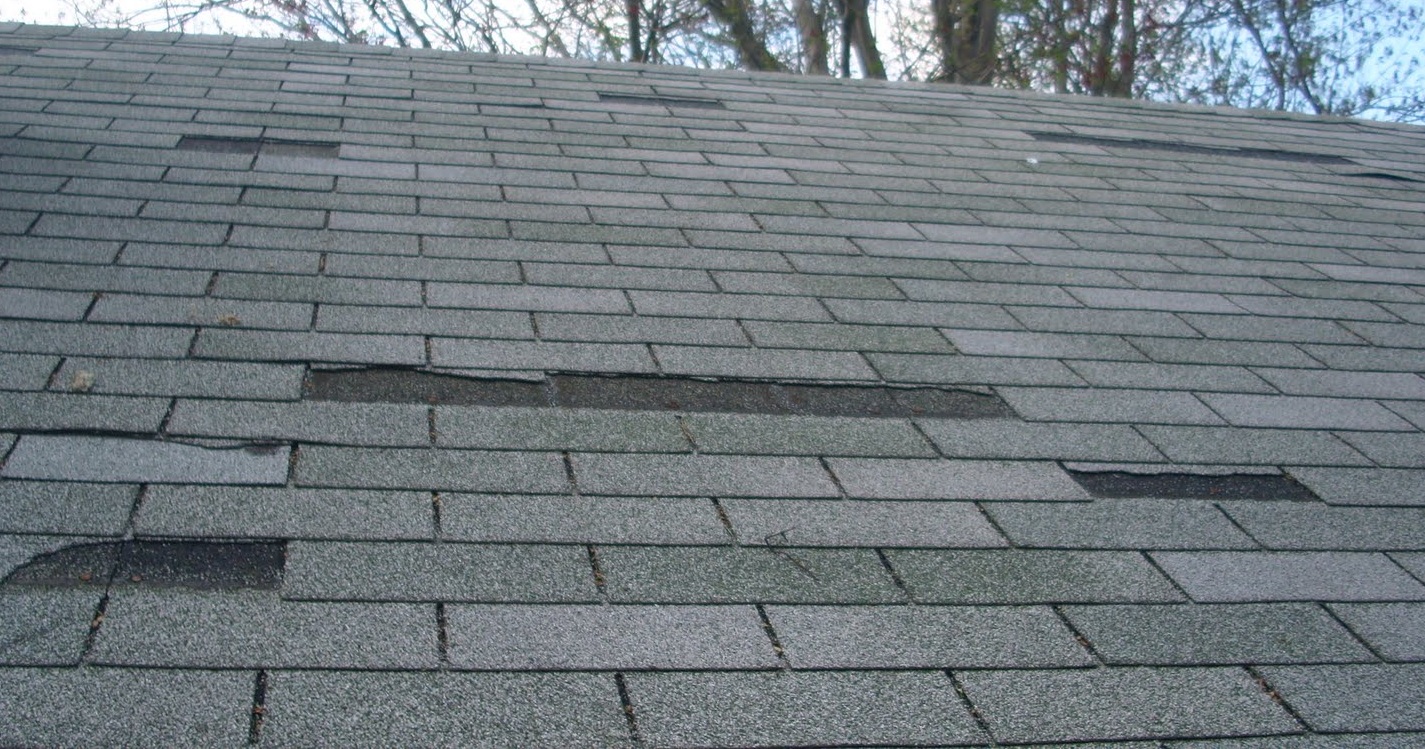
- Missing or damaged shingles
- Exposed nails and flashing problems
- Signs of active leaks or staining
- Surface hail marks or wind damage
A structural engineering evaluation goes deeper. Instead of just looking at what is on top, an engineer is focused on how the roof is actually carrying loads and if the structure is performing safely. During this type of visit, an engineer may review:
- Roof framing layout and load paths
- Truss or rafter deflection and cracking
- Decking condition from both the top and underside
- Connections, bracing, and any cut or altered framing
This kind of evaluation matters when you need a professional engineering stamp for building permits, major structural repairs, complex renovations, insurance questions, or home sales where structural concerns are already on the table. In North Georgia, with hills, trees, and strong storms, that extra layer of review often makes the difference between a simple repair and a more serious fix.
Post-Storm Red Flags That Call for an Engineer
North Georgia storms can be rough on a roof. High winds, heavy rain, and falling limbs can damage more than just shingles. Some red flags after a storm that may call for a structural engineer include:
- Widespread shingle loss plus new interior ceiling cracks
- Any new sagging you can see along the ridge or in a roof plane
- Doors or windows that suddenly start sticking after a big storm
- Visible truss or rafter splits when you look in the attic
Wind uplift can loosen framing connections, tree impacts can crack trusses or rafters, and driving rain can weaken decking and supports over time. These issues are often not obvious from the ground.
An engineer can document what is going on in a clear, objective way. That typically includes written findings, photos, and recommendations that explain whether the damage is mostly surface-level or truly structural. That kind of report can be very helpful when your insurance adjuster needs proof that the storm did more than just scuff the shingles.
Sagging Roofs, Soft Decking, and Hidden Structural Risks
Sometimes concerns show up slowly, not right after a storm. Many homeowners first notice a roof problem when they see:
- A wavy roofline from the yard
- Dips between rafters when sunlight hits the shingles
- Soft or spongy areas when someone walks the roof
- Nail pops, cracked drywall, or seams that keep reopening
These signs can have different causes, like long-term moisture, undersized framing, old or failing decking, heavy storage in the attic, or past unpermitted changes. A quick patch on the surface will not solve problems that start in the structure.
You should consider bringing in a structural engineer if you see movement getting worse over time, if you have had repeated repairs in the same area, or if you are planning a bigger renovation that will change loads on the roof. Catching structural issues early can help protect your home and make sure future work is done on a sound base.
When You Need Engineering Support in an Insurance Dispute
Insurance claims after roof damage are not always simple. Many homeowners run into problems like:
- Claims denied as “pre-existing” or “maintenance” issues
- Repair scopes that feel too small for the actual damage
- Disagreements about whether damage is structural or cosmetic
This is where an engineer’s report can carry weight. A licensed engineer can explain cause and effect, such as whether a crack or sagging pattern lines up with a specific storm event. The report can reference building codes, identify safety concerns, and give clear repair recommendations tied to the actual structure.
When roofing work is guided by engineering from the start, roof inspection findings, structural analysis, and repair work can all line up. That kind of coordinated approach reduces confusion, repeated site visits, and mixed messages between the homeowner and the insurance carrier.
How an Engineer-led Roof Inspection Works
An engineer-led roof review is more detailed than a quick look from the driveway. Our typical process at Vest Construction includes several key steps:
- Initial questions about your concerns, history of leaks, and any recent storm events
- Review of photos, notes, and any insurance or prior inspection documents you already have
- Onsite roof inspection, looking at both surface conditions and signs of deeper problems
- Attic visit when accessible, to check trusses, rafters, decking underside, and signs of movement or moisture
After the visit, homeowners can expect clear, plain-language feedback. That usually includes a summary of what we found, suggested repairs, and a sense of priority, such as what is a safety concern versus what can be planned for later upgrades. When needed, professional engineering oversight helps ensure that the repair work follows the design intent so the finished project lines up with the structural recommendations.
Take Control of Your Roof’s Future Before Winter Hits
As fall rains grow more frequent and colder weather approaches, roof problems tend to show up faster. Small leaks turn into ceiling stains, and minor structural issues can worsen under ongoing moisture and occasional ice.
If you see sagging, new cracks after storms, recurring leaks in the same areas, or you are already in a disagreement with your insurer, it may be time for more than a basic roof inspection. A structural engineer can help you understand what is really going on with your roof, what needs to be done, and how urgent the work is. In North Georgia, Vest Construction brings engineering oversight together with roofing and renovation experience so you can feel confident that both the inspection and the repairs are focused on the long-term safety of your home.
Protect Your Home With a Professional Roof Inspection Today
If you are unsure about the condition of your roof, now is the time to schedule a thorough roof inspection with Vest Construction. We will evaluate every critical component so you can address small issues before they become expensive repairs. Our team will walk you through the findings and recommend only the work that truly protects your home. To set up an appointment or ask questions, simply contact us.