Protect Your Home Fast When Shingles Blow Off
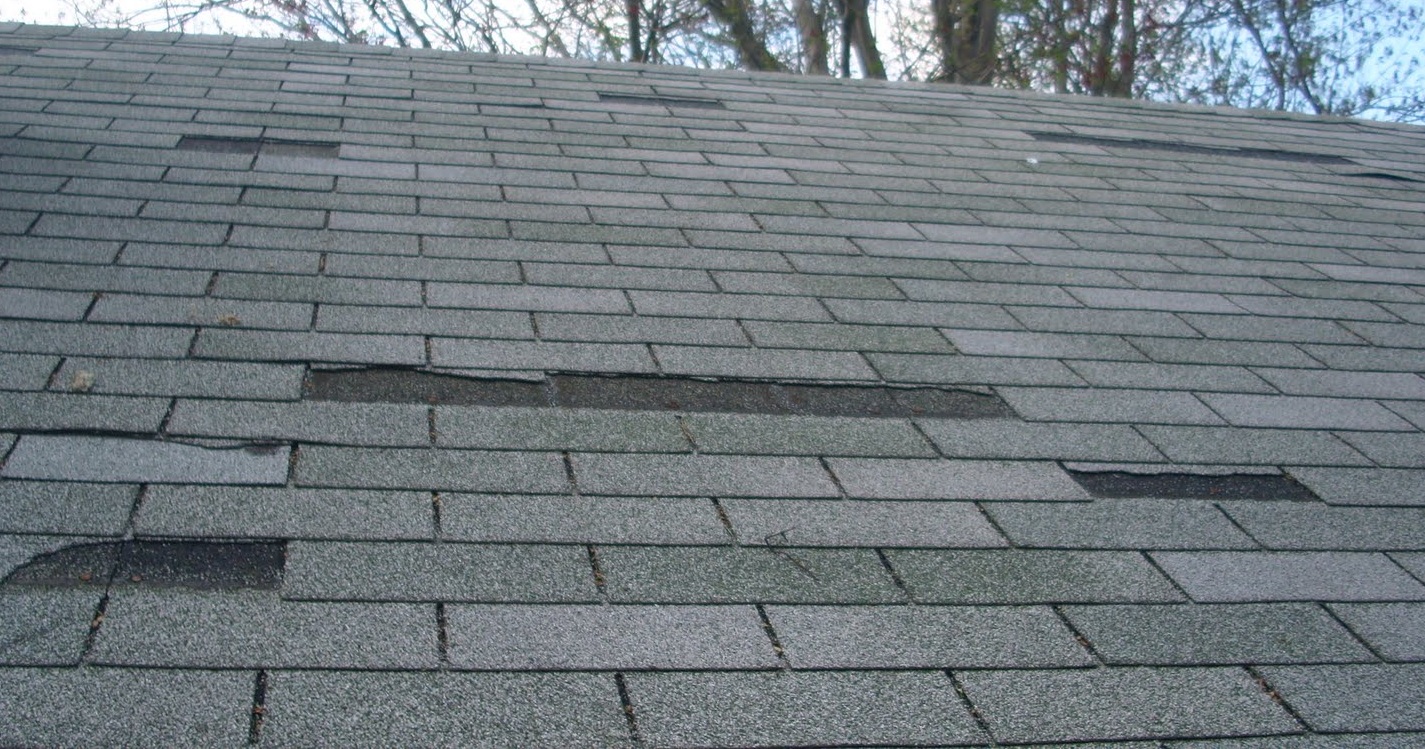
Missing shingles after a storm are more than an eyesore. When the wind pulls shingles away, it can expose the wood beneath and open direct paths for water to get inside your home. You might notice scattered shingles in the yard, bits of roofing in the driveway, or small dark spots starting to show up on ceilings and walls.
The first 24 to 48 hours after a storm are very important. Quick action can help stop small leaks from turning into sagging ceilings, damaged insulation, or mold. Temporary repairs like tarping and emergency sealing are not meant to last forever, but they can buy you time while you wait for a licensed contractor to inspect and repair the roof the right way.
In North Georgia, fall storms often roll in right as weather turns cooler and wetter. That means any missing shingles after a storm should be treated as an urgent problem, not something to push off until later. Taking simple, safe steps now can help protect your home before the heavier winter rain and cold arrive.
How to Safely Inspect Your Roof From the Ground
Safety always comes first. After a storm, roofs can be slippery, loose, and unpredictable. We do not recommend that homeowners walk on a wet or storm-damaged roof.
Start with a ground check instead. You can use binoculars or your phone’s camera zoom while you stay on solid ground:
- Missing shingles or large bare patches
- Shingles that look curled, lifted, or bent out of place
- Shiny or exposed nail heads
- Metal flashing around chimneys or walls that looks cracked or pulled away
Next, walk through the inside of your home. Pay close attention to:
- Attic: damp insulation, dark wood spots, or dripping
- Ceilings: new yellow or brown stains, bubbles, or peeling paint
- Light fixtures: water inside covers or flickering when it rains
- Upper walls: streaks, soft drywall, or a musty smell
These signs help you decide how urgent the problem is. You likely need emergency tarping right away if you notice:
- Bare wood roof deck visible from the yard
- Repeated drips during rain in more than one room
- A ceiling that is sagging, bulging, or soft to the touch
Even if leaks seem small, missing shingles after a storm should never be ignored. Small openings often get worse with the next round of wind and rain.
Step-by-Step Tarping Tips Until a Roofer Arrives
Tarping is a short-term way to shield exposed roof areas so water runs over the surface instead of into the house. The idea is to cover the damaged section and extend the tarp far enough in every direction so water sheds away from valleys, vents, and chimneys.
If you choose to try tarping on your own, keep it simple and stay cautious. You will generally need:
- A heavy-duty tarp large enough to cover damage plus several extra feet
- 2x4 boards to help anchor the tarp
- Screws or nails for the boards
- A sturdy ladder and work gloves
Basic steps many homeowners follow:
- Wait until rain and strong wind have passed and the roof is as dry as possible.
- From the ground, plan a tarp size that reaches from the ridge or higher undamaged area down past the damaged spot.
- If you must get on a ladder, have another adult hold it steady.
- Lay the tarp flat over the damaged area so it overlaps the peak or a solid row of shingles above.
- Use 2x4s along the edges of the tarp and fasten the boards through the tarp into solid framing or deck areas, not just the torn section.
Avoid common mistakes:
- Never tarp in the dark or during high wind.
- Do not work on steep, icy, or very slippery roofs.
- Do not use loose bricks, rocks, or blocks to hold down a tarp.
- Try not to drive fasteners where they will create new leaks in unbroken shingles.
After the next rain, look from the ground to see if the tarp is still tight and in place. If you feel unsure at any point, it is safer to skip the roof and let a roofing professional handle emergency tarping.
Emergency Sealing to Slow Leaks and Water Intrusion
Emergency sealing means using products like roofing cement or sealant to close small openings so they do not let in as much water. This is a short-term barrier, not a full repair, but it can help reduce damage while you wait for a contractor.
For very minor issues that are safely within reach from a ladder at the eave, some homeowners:
- Gently lift a loose shingle tab, if it is not torn, and spread a small amount of roofing cement underneath.
- Press the shingle back down firmly so it adheres.
- Dab roofing cement over exposed nail heads on that same shingle.
- Apply sealant around tiny cracks at the base of vents or pipe boots, if they are close to the edge and stable.
Do not attempt these steps if:
- Large areas of roof surface are missing or badly damaged.
- The roof deck feels soft, bouncy, or spongy underfoot.
- You see structural issues, such as a sagging ridge or major dips.
If any of that is true, focus on protecting the inside of your home instead of trying to fix the roof from above. Then arrange for professional emergency service as soon as you can.
Preventing Interior Water Damage While You Wait
Even if the roof is not fully sealed, you can still do a lot inside to protect your home. Acting fast indoors can limit drywall damage, flooring issues, and mold growth.
Start with simple steps:
- Move furniture, rugs, and valuables away from leaks.
- Place buckets, tubs, or pans under any active drips.
- Use plastic sheeting or painter’s plastic to cover floors, cabinets, and electronics.
If you can safely access your attic, look for wet spots above the leak and:
- Lay plastic sheeting over insulation where water is coming through so it does not spread as much.
- Place a bucket under focused drips when possible.
When ceilings are heavily bulging with trapped water, many homeowners carefully:
- Poke a small relief hole in the lowest point of the bulge with a screwdriver, with a bucket directly underneath, so water drains in a controlled way instead of bursting through on its own.
After the water slows down, use fans and, if you have them, dehumidifiers to dry damp areas. In cooler, wetter North Georgia fall weather, moisture tends to linger, so it helps to:
- Run bathroom and kitchen vents to move humid air outside.
- Open doors between rooms to improve airflow.
- Keep an eye on wet insulation and drywall so they can be properly addressed later by a professional.
When to Call Vest Construction and What to Expect Next
Some roofing problems are too big or too risky for quick home fixes. It is time to bring in a professional right away if you see:
- Widespread missing shingles after a storm or large bare roof areas
- Leaks that return every time it rains, even after basic tarping
- A roofline that looks uneven or sagging
- Major ceiling bowing, cracks, or movement
As an engineer-led, licensed general contractor serving North Georgia, Vest Construction handles storm-related roof issues from both a structural and practical point of view. Homeowners can expect:
- A careful inspection of the roof and interior areas affected by water
- Clear photo documentation of storm damage
- Temporary protection steps when needed, such as professional tarping
- Detailed repair or replacement recommendations based on what we find
- Support with full-service insurance restoration when a claim is appropriate
Addressing damage now, rather than waiting for the next round of storms, helps protect both the structure of your home and your peace of mind. A qualified local roofing and restoration team that understands our weather patterns and insurance requirements can guide you from temporary patches back to a safe, fully repaired roof.
Restore Your Roof’s Protection Before Damage Spreads
If you havemissing shingles after a storm, we can inspect your roof, explain your options, and complete repairs before small issues turn into leaks and structural problems. At Vest Construction, we focus on practical solutions that fit your home, budget, and timeline. Reach out today to schedule an appointment or ask questions about your roof, and we will walk you through the next steps. If you are ready to move forward now, simplycontact usto get started.