Stop Roof Insurance Claim Denials Before Winter Hits
Roof damage never shows up at a convenient time. A strong fall storm rolls through North Georgia, shingles blow off, a dark stain appears on your ceiling, and cold nights start to move in. You do what you are supposed to do and file a roof insurance claim, only to get a denial letter when you are worried about leaks and dropping temperatures.
October is a key month to sort out roof issues before winter weather makes everything worse. Cold, rain, and even light ice can turn a small leak into rotten decking, damaged insulation, and mold inside your home. Fixing damage early usually means less stress, fewer surprises, and less risk to the rest of your house.
Here, we will walk through the most common reasons roof insurance claims get denied in North Georgia, how to avoid those problems from the start, and what to do if your claim has already been turned down. As an engineer-led roofing and construction company based in North Georgia, we at Vest Construction help homeowners document storm damage the right way and handle the process with their insurance company from the first inspection through any appeal.
Why Roof Insurance Claims Get Denied in North Georgia
Many denials come back to what is written in the policy fine print. Common issues include:
- Wear and tear or age
- Lack of maintenance
- Pre-existing damage
- Limits on older roofs or certain materials
Insurers often try to say storm damage is actually old wear and tear or a maintenance problem. For example, if shingles were already brittle or curling, they may claim the wind only exposed an existing weakness. Some policies also reduce coverage for roofs past a certain age, which can surprise homeowners when they file a roof insurance claim.
Timing is another big reason claims get denied. Policies often require you to report roof damage within a set window after a hail or wind event. In North Georgia, fall storms can hit right before busy holiday weeks, and many people put off inspections or paperwork. When too much time passes, insurers may argue:
- The damage came from more than one storm
- They cannot tie it to a specific date
- The roof got worse because of delay
Documentation is the third major problem. Weak or incomplete evidence gives adjusters room to say “no.” Denials often happen when:
- Photos are dark, blurry, or only show small areas
- There are no records of the roof condition before the storm
- Contractor estimates are vague or missing a clear scope of work
Engineer-level documentation, with clear photos and specific descriptions of how the storm affected the roof, makes it much harder for a claim to be dismissed.
Storm Damage vs. Wear and Tear on Your Roof
Insurance companies spend a lot of time deciding whether the roof issues they see came from a single storm or from long-term aging. In North Georgia, common storm threats include:
- Hail
- Strong wind gusts
- Heavy, driven rain
- Falling branches and limbs
Each one leaves a different pattern. Hail can bruise shingles or dent metal. Wind can crease shingles or tear them off. Heavy rain can push water under loose flashing or through weak spots. Adjusters look for signs that line up with one specific event instead of slow decline.
Legitimate storm-related issues often look like:
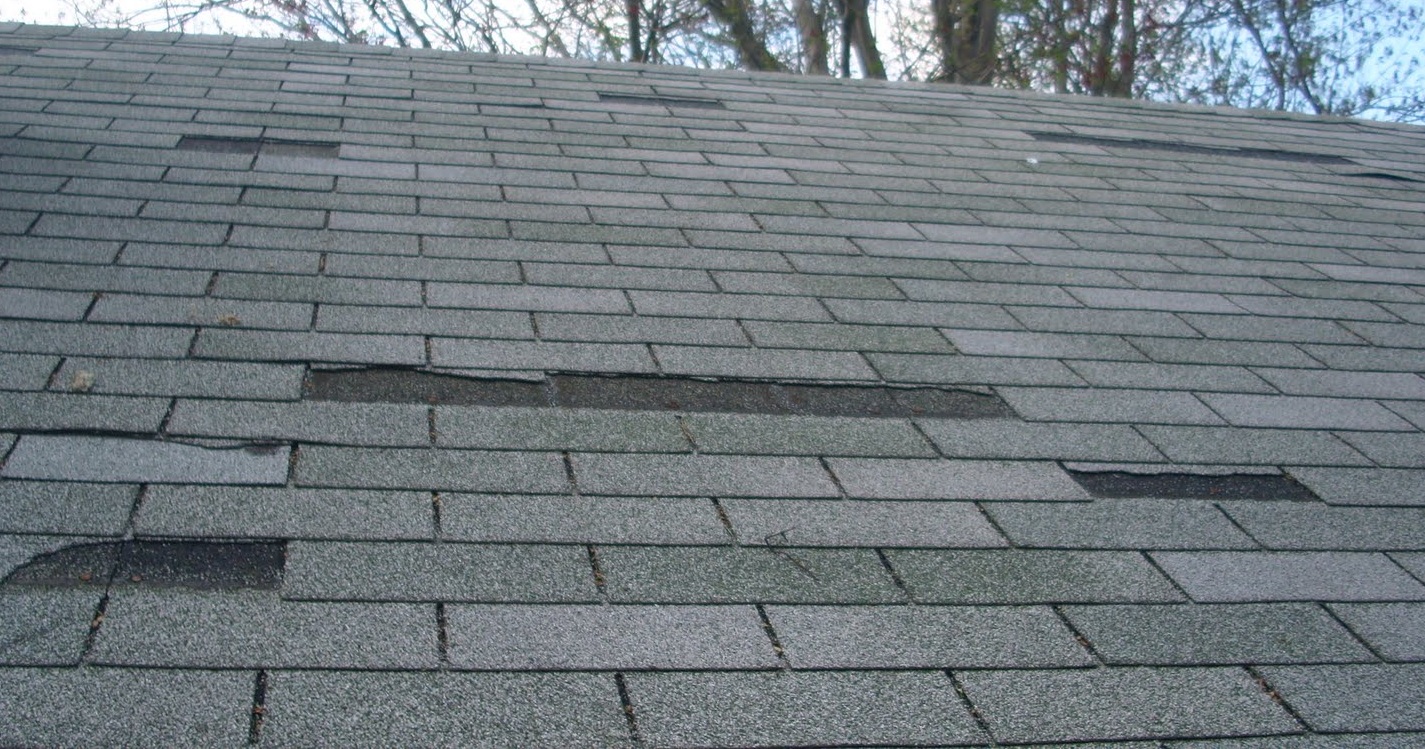
- Missing, torn, or sharply creased shingles after a storm
- Round impact marks on shingles, metal vents, or gutters
- Damaged flashing around chimneys, walls, or valleys
- New interior leaks or stains that appeared right after severe weather
On the other hand, things like general granule loss, curling shingles, and brittle or cracked material across large areas can be labeled as wear and tear, even if a storm recently passed through. That is where a detailed inspection matters.
An engineer-led roofing inspection can help separate real storm impact from age. At Vest Construction, we focus on:
- Close-up photos and measurements of damage
- Clear notes on wind direction and storm conditions
- Written findings that explain cause and effect in plain language
Technical, unbiased reports like this often carry more weight during the initial claim and any appeal that follows.
Building a Strong Roof Insurance Claim From Day One
The best time to protect your claim is right after the storm, before anyone climbs on the roof. Homeowners can help by safely documenting what they see from the ground and inside the home. Helpful steps include:
- Taking wide and close-up photos of the roof, gutters, and siding from the yard
- Photographing ceiling spots, wall stains, and any water on floors
- Writing down the date, time, and type of storm that passed through
Keeping a simple home maintenance log and some pre-storm photos of your roof can also help prove that damage is new and related to a specific event.
When the insurance adjuster visits, it helps to work with them, not against them. Having a qualified roofing professional on-site can make a big difference. They can:
- Point out less obvious damage the adjuster might miss
- Answer technical questions about materials and installation
- Compare what they see with current building codes
Ask for a written explanation of the adjuster’s findings and keep it with your inspection report. This gives you a clear record if something needs to be corrected later.
Your repair estimate should also be detailed. A strong estimate will:
- List materials and labor line by line
- Match local building codes and manufacturer specs
- Include needed code upgrades, such as proper underlayment or ventilation
In North Georgia, code requirements and good roofing practice should both show up in the contractor estimate and the insurance scope of work.
How to Appeal a Denied Roof Insurance Claim
If your roof insurance claim is denied, start by reading the denial letter carefully. Look for:
- The exact policy sections your insurer is using
- Their stated reasons, such as maintenance, exclusions, or late reporting
- Any photos or reports they mention as proof
Try to stay calm and focused on the facts. An appeal works best when it is clear, organized, and backed by strong evidence.
Next, gather better information. Many homeowners choose to get an independent, engineer-led roof inspection that includes:
- Detailed photos and diagrams of all damage
- A written opinion on what likely caused each issue
- Notes on how recent the damage appears
You can also support your case with weather reports, hail or wind maps for your area, and statements from neighbors who had similar problems from the same storm.
When you are ready to appeal, put everything together in a simple, professional package. It often helps to include:
- A short cover letter explaining why you disagree with the denial
- A copy of the denial letter and your policy number
- Independent inspection reports, photos, and contractor estimates
- Any weather data or supporting notes
Homeowners can ask for a reinspection, a different adjuster, or an internal review. If the insurer still seems unfair or unresponsive, state-level complaint options may be available, depending on your situation.
Partner with an Expert Ally for Your Next Roof Claim
The best time to think about your next roof insurance claim is before the next storm season, not after. A fall roof inspection can:
- Catch small issues before winter weather hits
- Create a clear baseline of your roof’s condition
- Help you understand how your policy may apply
Reviewing your coverage with a roofing professional can also make future claims smoother. Knowing your limits, deductibles, and exclusions in advance means fewer surprises when you are already dealing with damage.
Vest Construction is an engineer-led, licensed and insured roofing and construction company serving North Georgia with roofing, restoration, and full-home renovation services. We provide thorough inspections, clear photo documentation, and engineer-backed reports that support valid claims and appeals. Our team also works with homeowners and adjusters to keep scopes of work aligned and to help ensure repairs or replacements follow Georgia building codes and manufacturer standards.
Taking careful, informed steps now, before the next round of storms and cold snaps, can be the difference between a denied claim and a fully restored, code-compliant roof that protects your home for years to come.
Get Started With Your Project Today
If you are unsure where to begin with a roof insurance claim, we can walk you through every step so you understand your options clearly. At Vest Construction, we inspect your roof, document the damage, and coordinate with your insurer to help you pursue the coverage you deserve. Reach out today so we can review your situation and recommend the right next steps. If you are ready to talk details or schedule an inspection, please contact us.