Protect Your Home After Storm Season in North Georgia
Strong summer storms can turn a healthy shingle roof into a problem in a single afternoon. Heavy rain, hail, and sudden wind gusts are common across North Georgia, and your roof takes the full hit every time. When shingles are damaged, water has a clear path into your home.
Catching problems early is one of the best ways to avoid leaks, mold, damaged insulation, and even structural issues. Small problems on top of the roof usually show up as bigger and more expensive issues inside the house later. That is why it pays to know what to look for after a storm passes.
As a licensed and insured roofing and construction company led by a Professional Engineer and General Contractor, we know many warning signs are easy to miss from the ground. In this guide, we will walk through simple, homeowner-friendly signs that your shingles may need repair and explain when it is time to call for professional shingle roof repair after a North Georgia storm.
Spotting Visible Roof Damage From the Ground
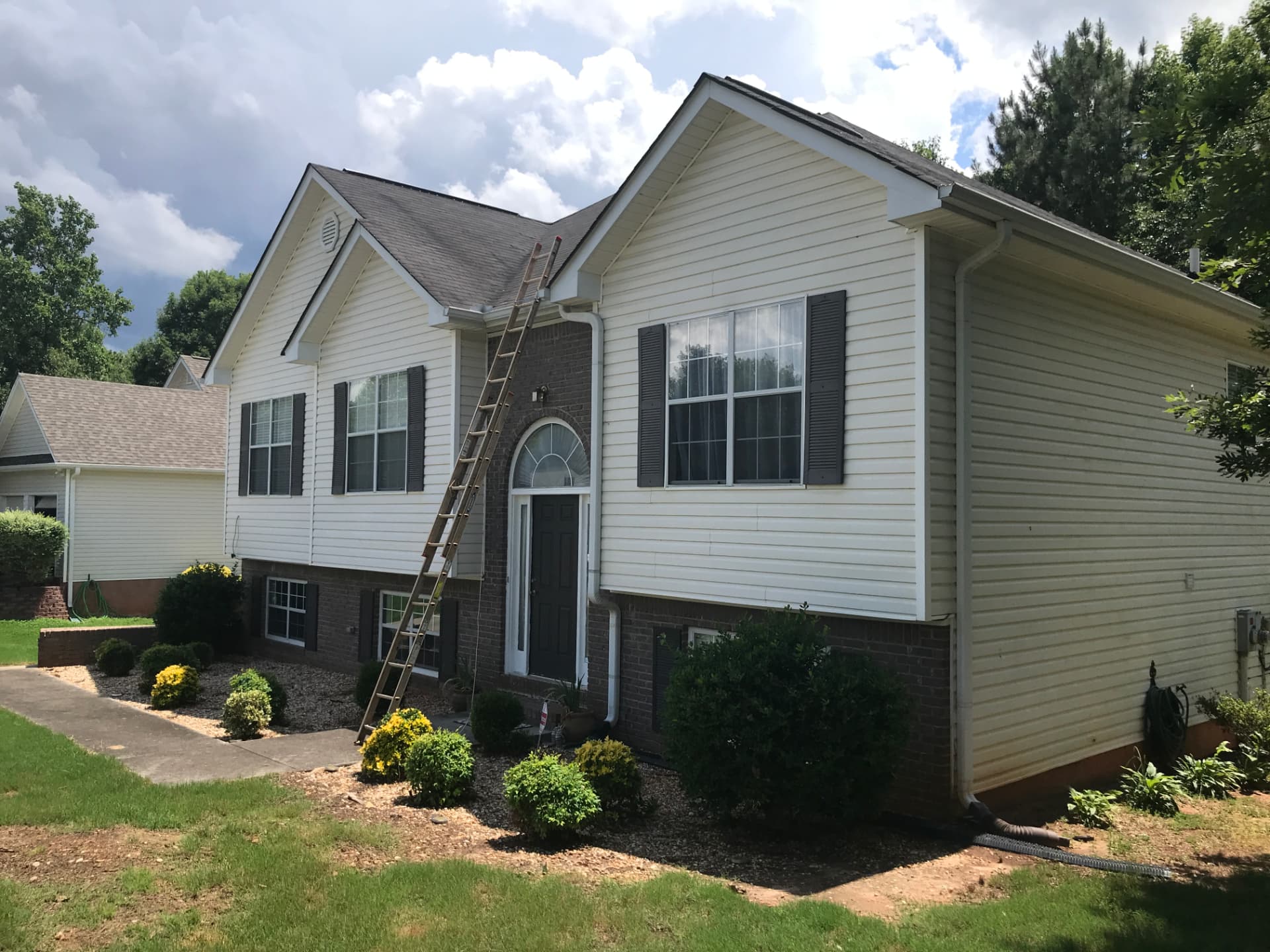
After a storm, the first step is a quick visual check from a safe spot in your yard, driveway, or sidewalk. You should not climb on the roof. Wet shingles are slippery, and storm damage can make surfaces weaker than they look.
From the ground, scan your roof slowly. Look at one slope at a time so you do not rush and overlook something important. Binoculars can help, but even without them, you can still catch a lot.
Clear warning signs include:
- Missing shingles, especially along ridges and edges
- Shingles that look crooked, slid out of place, or torn
- Dark or bare patches where the roof looks different from the rest
- Pieces of shingles or shingle crumbs scattered in the yard after a storm
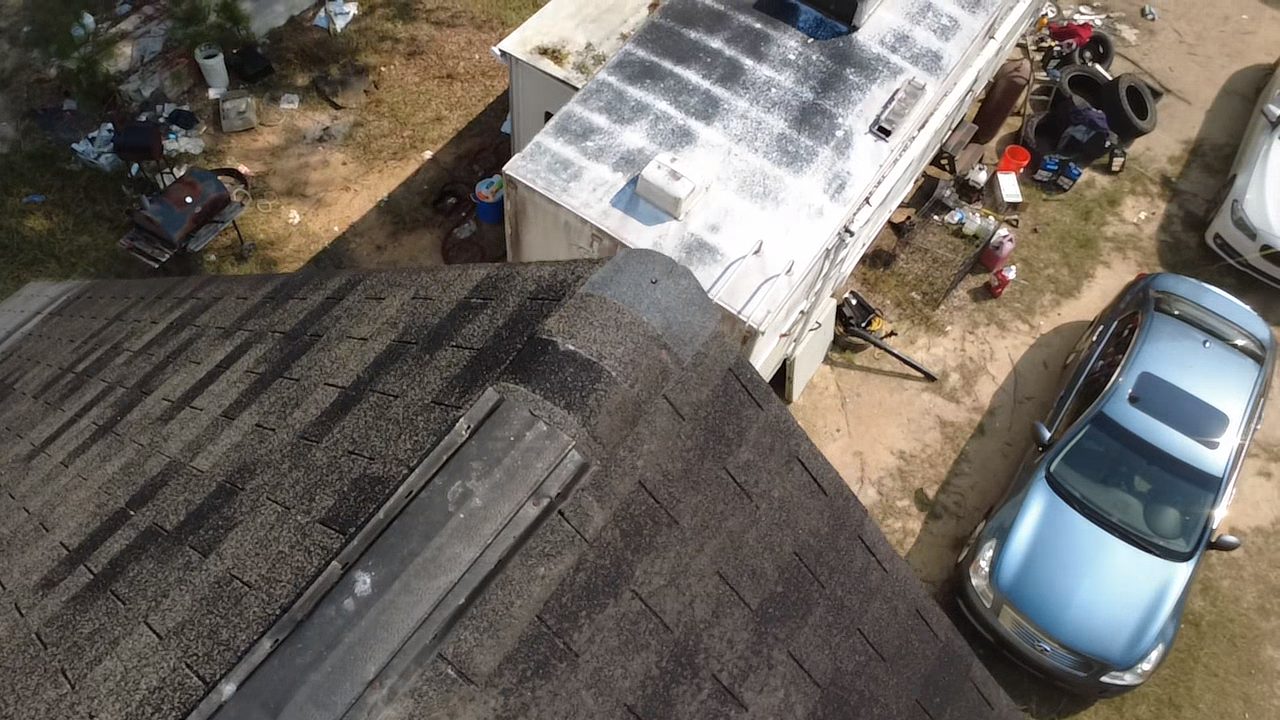
Hail can leave more scattered but serious damage. Signs that hail may have harmed your roof include:
- Random dark spots or circular marks on shingles
- Pockmarks or dimples on metal flashing around chimneys and vents
- Dents or small dimples in gutters or downspouts
In North Georgia, fast afternoon storms with shifting wind can lift shingles even if they do not fully blow off. A lifted shingle may look slightly raised or curled at the bottom edge. Once wind gets under it, water can too. Catching this early and getting shingle roof repair can keep that loose spot from turning into a leak.
Subtle Signs Your Shingles Are Compromised
Not all storm damage is easy to see from the street. Some problems look minor at first, but they can still shorten the life of your roof.
Hail can bruise shingles, kind of like a bruise on fruit. The surface may look a bit darker or duller in that spot. When shingles are bruised, the protective top layer can break, even if the shingle has not fallen off. Over time, that spot can crack and let water in.
Another sign is granule loss. Asphalt shingles are covered in tiny rock-like granules. After a heavy rain or hailstorm, look for:
- Granules in your gutters
- Small piles of grit at the end of downspouts
- Gray or sandy grit on decks, porches, or patios under roof edges
If you can see your roof surface clearly, watch for warped, buckling, or blistered shingles. These may look wavy, bubbled, or like they are not laying flat:
- Buckling or wavy lines across a roof slope
- Blisters, where small raised bubbles appear on the shingle surface
- Shingles that look like they are trying to lift off the roof
These issues can be signs of trapped moisture or weakened adhesion from repeated summer storms and heat. While each spot may look small, together they can reduce how long your roof lasts and increase the odds you will need larger repairs later. Addressing these early with targeted shingle roof repair is usually a smarter long-term choice than waiting until more of the roof fails.
Indoor Warning Signs After Heavy Rain and Wind
Your ceiling and walls often tell you about roof problems before you ever see a drip. After strong rain and wind, keep an eye on rooms under roof slopes that took the hardest hit.
Watch for:
- New water spots on ceilings, even light ones
- Brown or yellow rings that seem to grow after each storm
- Bubbling or peeling paint on ceilings or upper walls
- Sagging or soft drywall
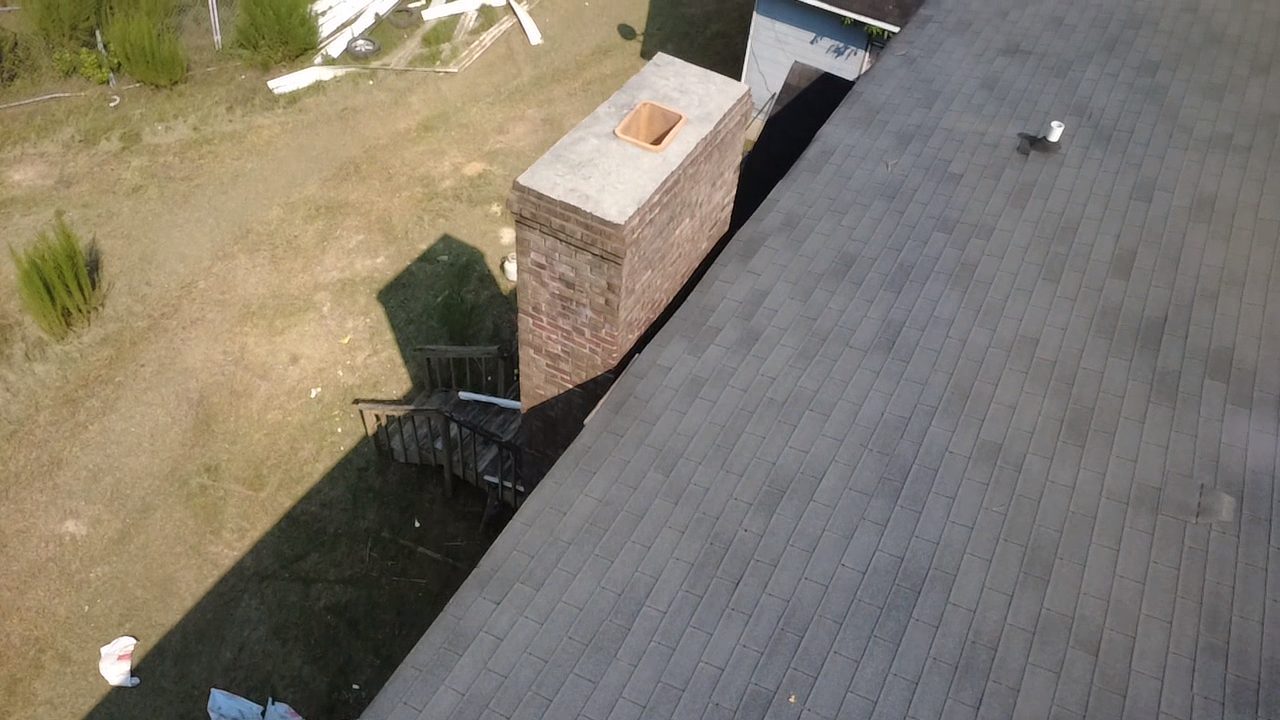
Pay special attention to areas around chimneys, skylights, bathroom vents, and exterior walls. Discoloration or faint lines in these spots can mean the flashing or nearby shingles are not sealing water out the way they should.
Musty odors are another warning sign. If a room or closet suddenly smells damp after storms, water may be getting into the attic or wall cavities. Even if the stain or smell fades as things dry out, the source of the leak is still there.
Some leaks only show up during the hardest downpours or when wind hits from a certain direction. That often means the problem is tied to a specific area of shingles or flashing, not the entire roof. A professional can trace these patterns and find the exact area that needs repair before a small leak becomes a major problem.
When to Call a Professional Roof Inspector
Storms leave many homeowners wondering what is normal wear and what deserves fast attention. As a general guide, it is time to call a roofing professional if you see:
- Any missing or clearly broken shingles
- Hail dents on metal gutters, vents, or flashing
- Repeated leaks in the same spot after heavy rain
- New stains, bubbling paint, or musty odors inside your home
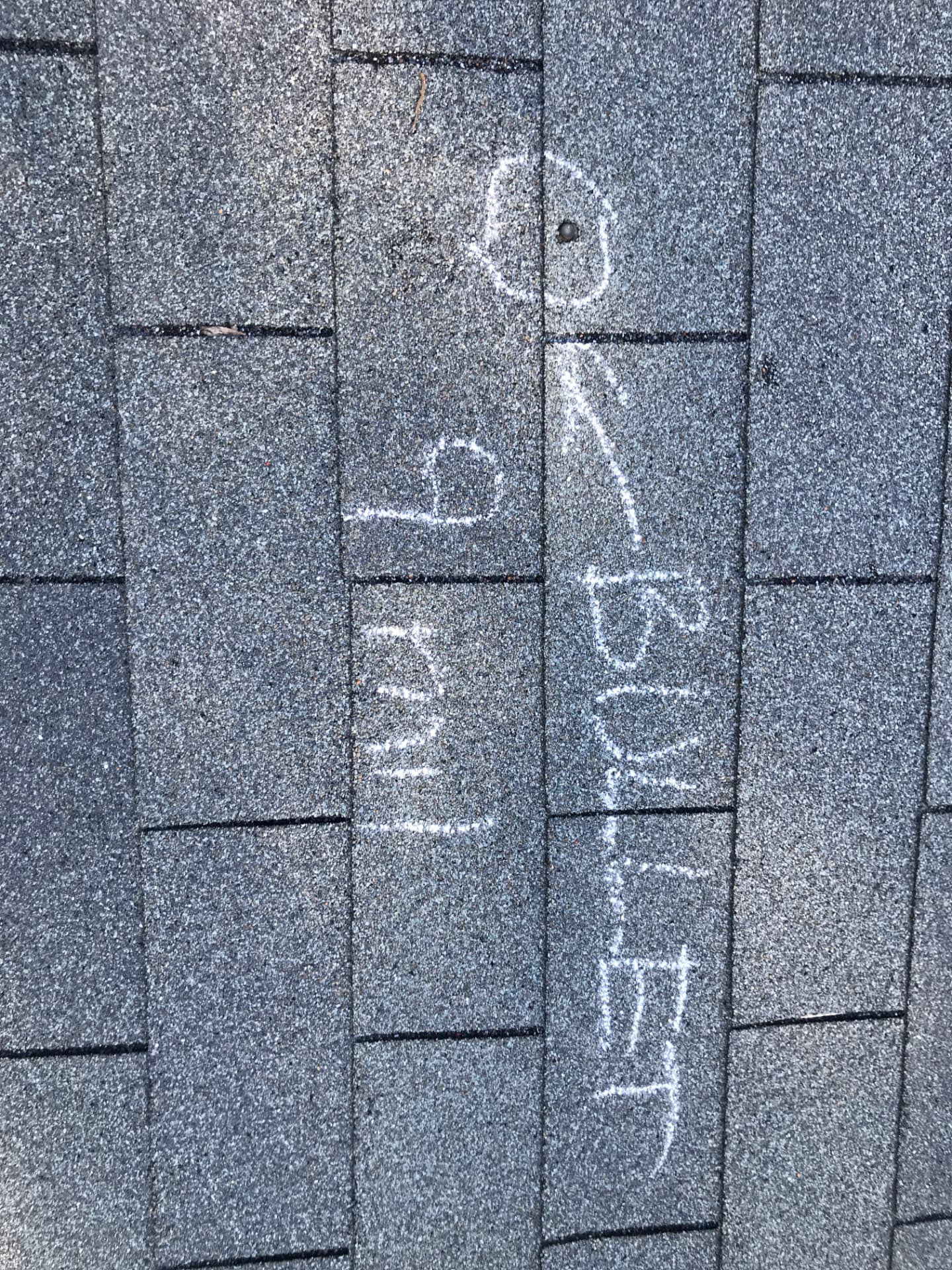
A trained inspector does more than check if shingles are lying flat. When your inspection team is led by a Professional Engineer, they also look at how the storm may have affected the structure under your shingles. That includes how the roof planes are carrying loads and whether damage has started to spread to decking or framing, not just the surface.
Working with a licensed, insured company that understands North Georgia storm patterns and local building codes gives you added peace of mind. They know what types of damage are common in the area and which details local inspectors and insurance adjusters expect to see.
A clear, itemized estimate is also important. It should break down what parts of the roof need shingle roof repair, what materials will be used, and whether any related items, like flashing or ventilation, are affected. This helps you understand the difference between spot repairs and a larger replacement and lets you plan with confidence.
Take Control of Your Roof After the Next Storm
After summer storms, your roof should not be a mystery. By keeping an eye out for missing shingles, dark patches, loose shingle pieces on the ground, and dents in metal, you can spot the obvious signs of damage. By also watching for subtle clues like granule loss, wavy or bruised shingles, and new stains or musty odors inside, you gain an even better picture of your roof’s health.
You do not have to wait until water drips from the ceiling to act. A thoughtful, professional roof check after major storms can catch problems early, protect your home, and extend the life of your roof. At Vest Construction, we bring engineered roofing solutions, storm damage knowledge, and transparent, itemized estimates to every shingle roof repair project, so North Georgia homeowners can move into the next season with greater confidence in the roof over their heads.
Get Started With Your Project Today
If your shingles are curling, cracked, or missing, we are ready to help you extend the life of your roof with expert shingle roof repair. At Vest Construction, we inspect your roof carefully, explain your options clearly, and complete the work with attention to detail. Reach out today to schedule an assessment or request an estimate, or contact us with any questions about your roofing project.