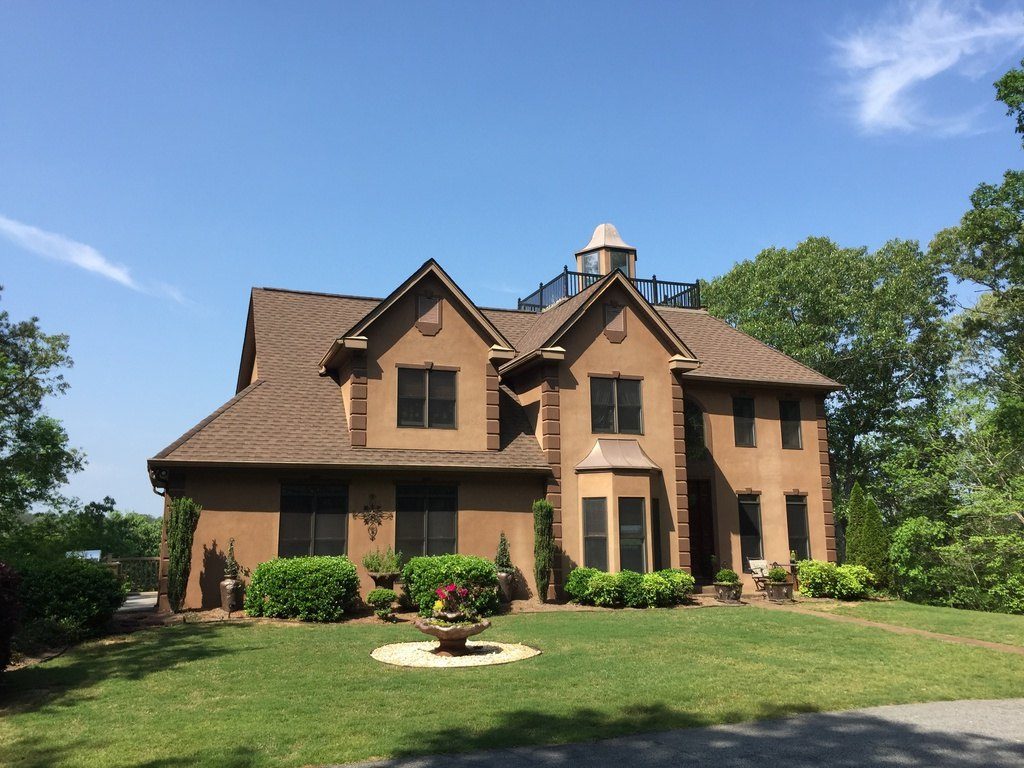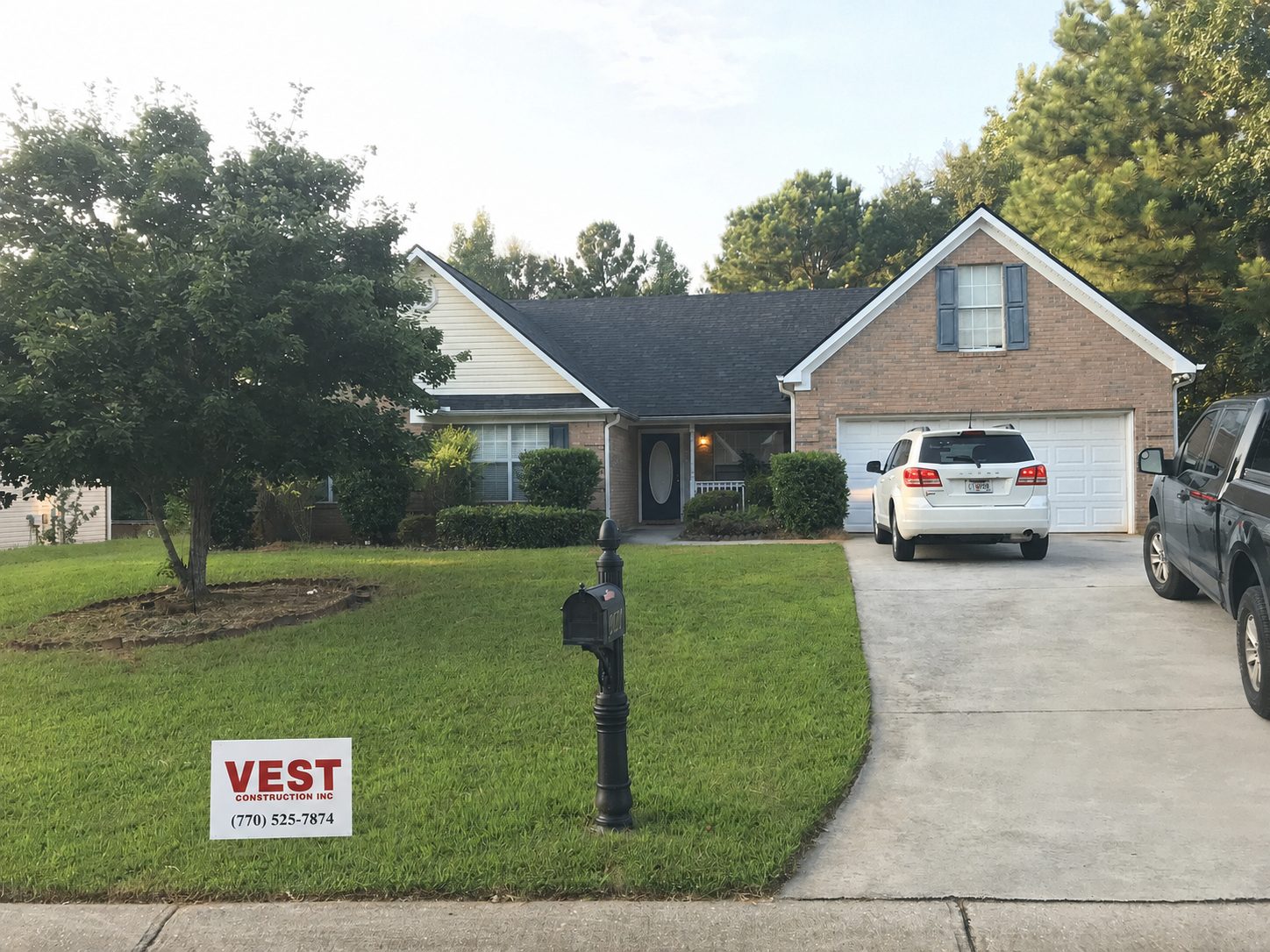
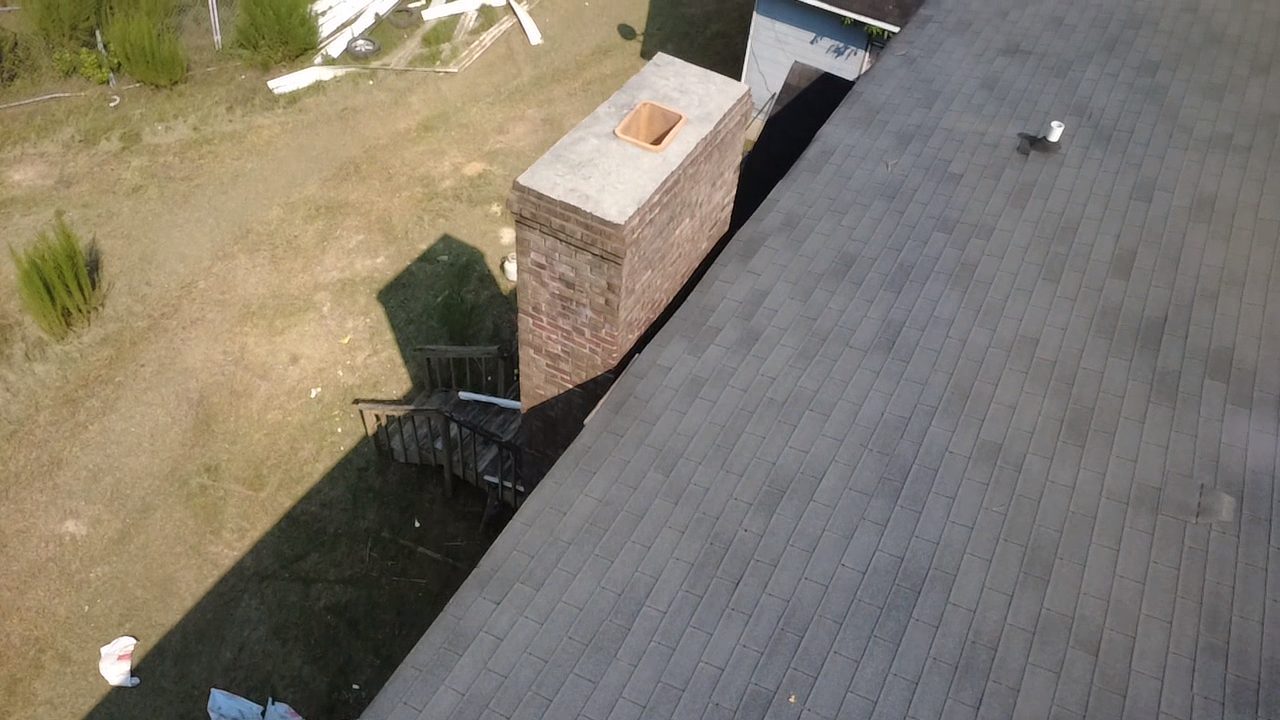
As summer heat eases and heavier rains move through North Georgia, small roof issues can turn into big problems fast. A roof that seems fine from the driveway can be hiding weak spots, loose shingles, or tiny leaks that only show up once storms roll through.
In this article, we will walk through the types of problem roofs that often go unnoticed and how a free roof inspection can spot trouble early. When a licensed, insured, engineering-led contractor inspects your roof, you get more than a quick glance; you get a full look at how your roof is really holding up so you can protect your home and your peace of mind.
Stop Hidden Roof Damage Before Fall Storms Hit
Late in the year, North Georgia can see long, soaking rains and fast-moving storms. Roofs that handled short summer showers can suddenly struggle when the rain is heavier and the wind is stronger. That is when small issues that have been quietly building often turn into leaks, stains, and damage inside the home.
From the street, many roofs look fine. Shingles are in place, and nothing appears broken. But years of sun, wind, and hail can cause slow, hidden wear that only shows up up close and underfoot. Common hidden problems include:
- Shingles that are cracked or loose but still lying in place
- Nail heads backing out of the decking under the shingle surface
- Flashings that have pulled away slightly from walls or chimneys
- Seals around pipe boots and vents that are starting to dry out
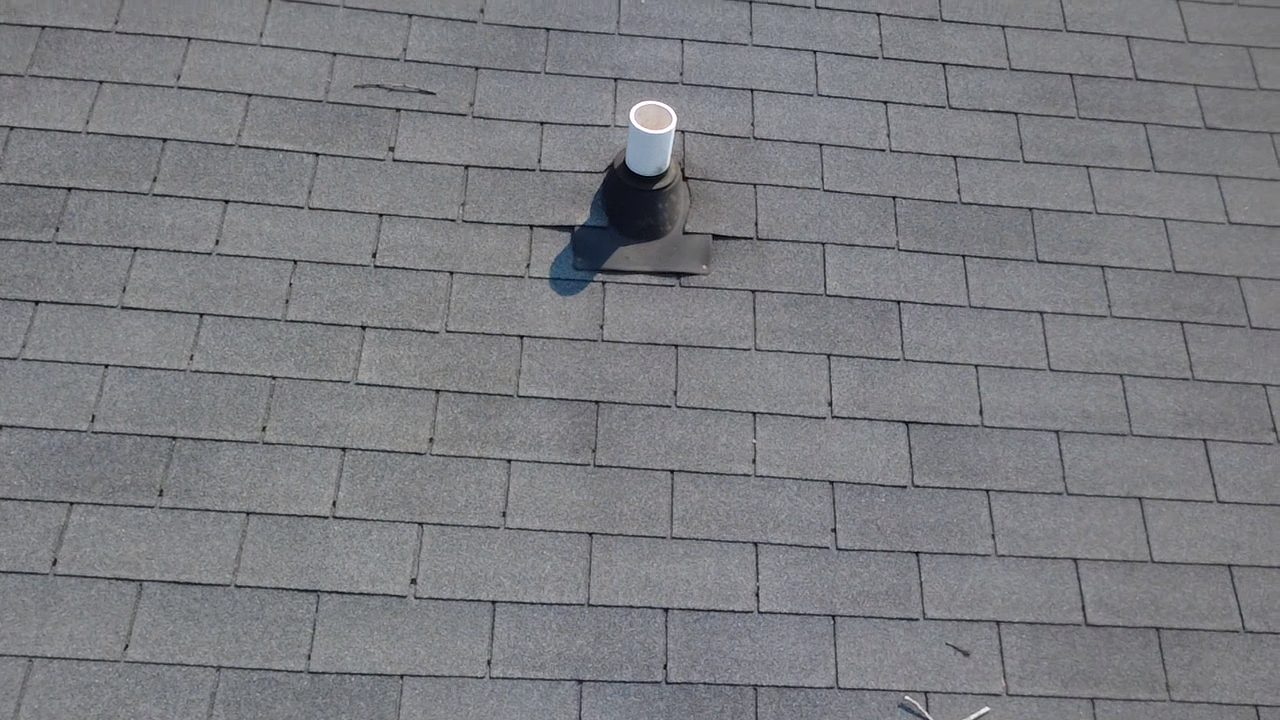
A free roof inspection by a licensed, insured contractor with an engineering background can catch these issues before the season's heavier weather tests your roof. By finding problems now, you can fix them on your schedule, rather than in the middle of a storm.
Spotting Aging Roofs Before They Suddenly Fail
Roofs in North Georgia deal with strong sun, high humidity, and sudden temperature changes. Over time, all of that takes a toll. An aging roof often gives off warning signs, but they can be easy to miss if you are not trained to see them.
Some common signs of an aging roof include:
- Granules from asphalt shingles collecting in gutters or at downspouts
- Shingles curling, cupping, or laying unevenly
- Brittle or cracked surfaces from years of UV exposure
- Old patchwork repairs that are starting to separate
A free roof inspection should look at your whole roofing system, not just the top layer. That means checking:
- Shingles and other roof coverings
- Flashings at valleys, walls, and penetrations
- Underlayment where it can be seen or accessed
- Ventilation, including intake and exhaust points
An engineering-first checklist helps make sure each part of the system is doing its job. When aging is caught early, you can plan for repairs or replacement before you face a sudden failure. That means less stress, more time to compare options, and fewer surprises during bad weather.
Finding Storm and Hail Damage You Cannot See From the Ground
Late-summer and early-fall storms in North Georgia often bring hail and strong winds. Even if you do not see missing shingles in the yard, your roof might still have damage. From the ground, subtle impact marks and lifted edges are almost impossible to see.
Storm damage can look like:
- Small, soft spots or bruises in shingles from hail impact
- Shingles lifted by wind, breaking the seal strip underneath
- Micro-cracks across the shingle surface that open up over time
- Loose ridge caps and hip shingles
During a free roof inspection, trained professionals look closely for these signs. They know how to spot hail bruising that has not yet turned into a leak and how to test if wind has broken the bond that holds shingles in place. They can document what they find with photos and notes, which can be helpful if the damage may qualify for an insurance claim. Learn more about our approach to roof repair.
Timing matters. Waiting too long after a storm can let water creep in, leading to mold, rot, or damaged framing. It can also make it harder to show when the damage occurred, which can complicate any claim process.
Catching Leaks at Skylights, Chimneys, and Valleys
Many roof leaks do not start in the middle of the field of shingles. They start where the roof meets something else, such as a wall, skylight, or chimney. These areas are more complex and rely heavily on proper flashing and sealants.
Key trouble spots include:
- Chimneys, especially where step flashing meets brick or siding
- Skylights, where seals and flashing can wear out over time
- Roof valleys that carry large volumes of water in heavy rain
- Wall-to-roof transitions behind siding or trim
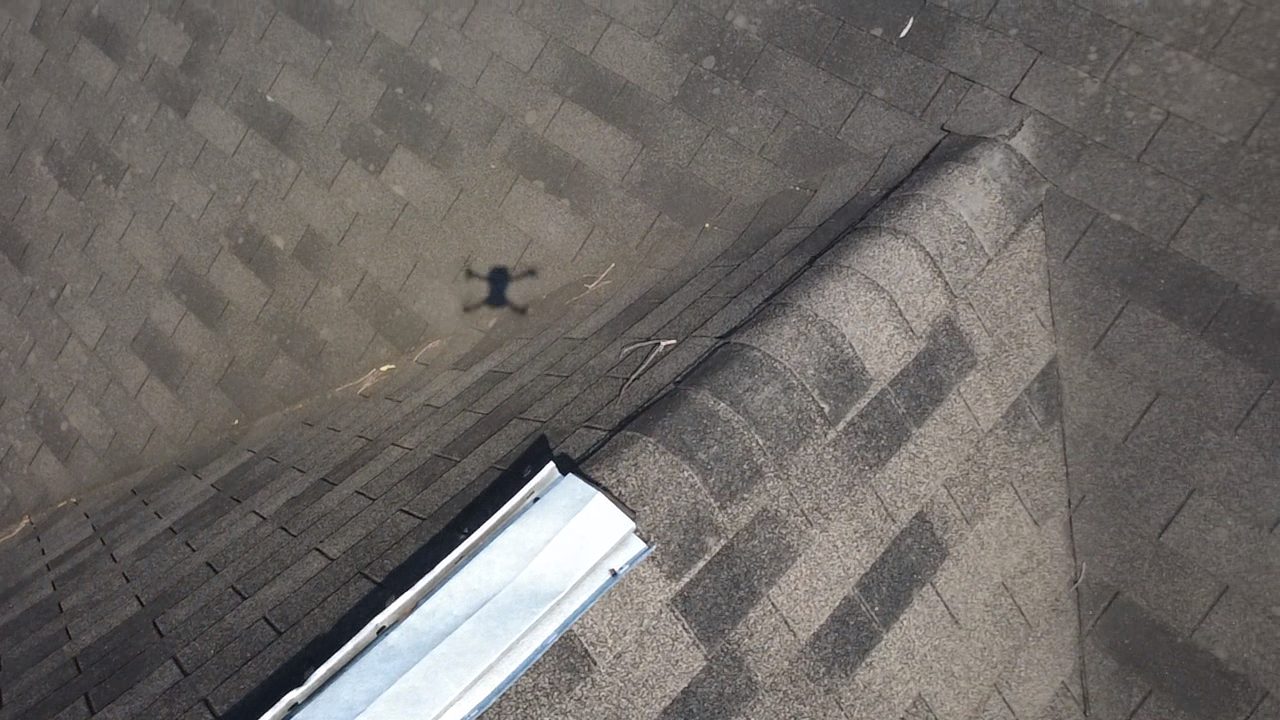
An engineering-led inspector looks for small clues that moisture is already finding its way in, such as:
- Rusted or lifted flashing
- Dried, cracked, or missing sealant
- Dark or stained sheathing edges
- Decking that feels soft underfoot
Fixing these targeted areas early, before water spreads, is far less invasive than tearing out wet insulation, damaged framing, and stained drywall later. A focused repair can often extend the life of your current roof and protect the interior of your home.
Protecting Attics and Structures with an Engineering-First Eye
A strong roof is more than just shingles, it is part of a full system that includes the attic space and the structure underneath. A free roof inspection that takes an engineering-first approach looks at how all these pieces work together.
In the attic, a good inspection may check for:
- Proper ventilation paths so hot and moist air can escape
- Signs of condensation on nails, decking, or rafters
- Dark spots, mold growth, or a musty smell
- Sagging areas or uneven roof lines visible from inside
Poor ventilation and hidden moisture can slowly weaken wood, flatten insulation, and lead to mold or mildew. Over time, that can cause sagging, warping, or structural issues. A professional engineer is trained to understand how loads move through the structure and how small problems now can affect long-term performance and safety.
By focusing on the full system, any recommended repair or replacement is built around strength, durability, and code requirements, not just what looks good from the curb.
Schedule Your Free Roof Inspection Before the Rains Arrive
As the seasons shift and North Georgia sees longer periods of rain and more frequent storms, an already stressed roof can reach its breaking point. Getting a free roof inspection before that happens gives you a clear picture of your roof's condition and helps you stay ahead of potential problems.
With Vest Construction, you can expect a thorough, professional assessment led by a licensed, insured roofing and construction team guided by a professional engineer and general contractor. We review your roof, roof details, and attic where accessible, then share honest findings with photos and clear explanations. Our recommendations are tailored to your home's age, design, and needs so you can decide on the right next steps with confidence.
Get Started With Your Project Today
If you have noticed missing shingles, leaks, or wear on your roof, let Vest Construction take a closer look before small issues become costly repairs. Schedule a free roof inspection so we can evaluate your roof's condition and recommend the right solution for your home. Our team will walk you through your options, answer your questions, and provide a clear plan for next steps. Prefer to talk to someone directly? Just contact us to set up a convenient time.