Stop Roof Leak Cost Surprises Before They Soak You
A small brown spot on a ceiling never feels like an emergency. Many North Georgia homeowners see a stain, worry that roof leak repair cost will be too high, and decide to wait. Then a late summer storm or early fall system parks over the house, dumping rain and wind for hours. That little stain can turn into sagging drywall, musty smells, and damage that spreads far beyond the roof.
The real money question is not “How cheap can I fix this?” The smarter question is “What will it cost if I do nothing?” Our goal is to clear up common myths about roof leak repair cost, especially in our humid, storm-prone area, so you can make calm, informed choices. When you understand the risks and realities, it gets much easier to protect both your budget and your home.
Myth 1: A Small Leak Means a Small Repair Bill
A tiny drip in a hallway or a faint mark in a bedroom feels minor. What you can see, though, is usually the end of the leak, not the beginning. Water can travel along rafters, nails, and framing before it shows up on your ceiling. In North Georgia summers, trapped moisture has time to soak deeper into materials.
Hidden damage often includes things like:
- Soft or rotted roof decking
- Wet insulation that no longer works as it should
- Early mold growth in dark, unvented spaces
- Rusted nails and fasteners around the leak
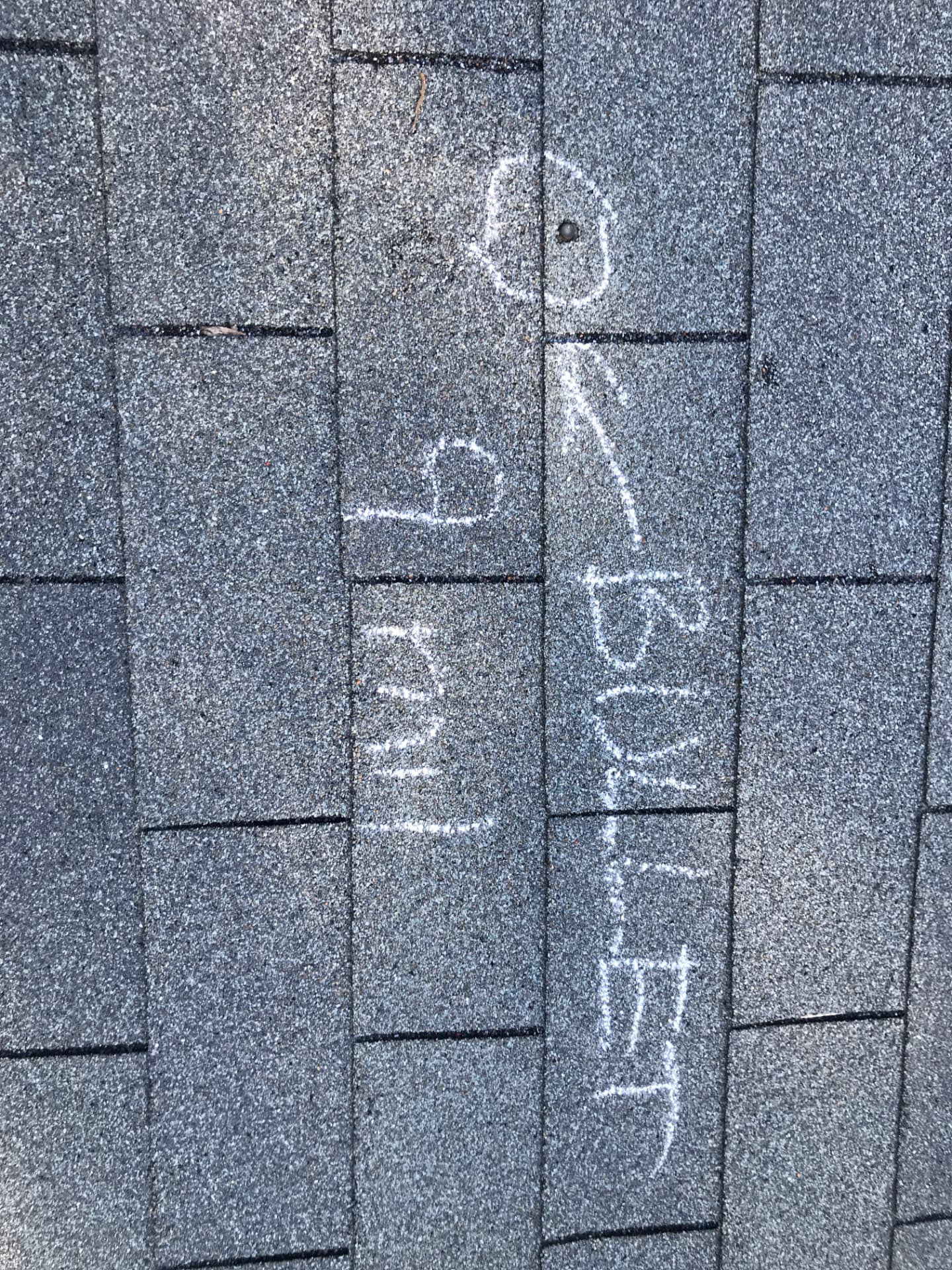
When roof leak repair gets delayed, simple fixes can snowball. What might have started as a small shingle or flashing repair can grow into:
- Replacing sections of roof decking
- Repairing framing that has weakened over time
- Swapping out stained drywall and damaged trim
- Restoring flooring, paint, and even cabinets below the leak
An engineered inspection looks past the ceiling stain. A professional engineer studies how the roof structure carries loads, how water likely moved through the system, and where the true entry point sits. Instead of chasing symptoms with patch after patch, the repair can be designed to solve the root problem once. That usually costs less over time than paying for “cheap” surface fixes every season.
Myth 2: Insurance Will Cover Any Roof Leak Repair
Many homeowners assume that if water comes in from the roof, insurance will handle it. Policies are not that simple. Most companies draw a firm line between sudden damage and slow wear and tear. That difference plays a big role in how much of your roof leak repair cost gets covered.
Here is what policies often limit or exclude:
- Long-term neglect or ignored maintenance
- Leaks related to the age and normal wear of the roof
- Problems caused by poor previous repairs
On the other hand, sudden storm damage, like shingles ripped off by wind or debris impact, is more likely to qualify. Even then, what you can prove matters. Detailed documentation is a big help when you file a claim. That usually means:
- Thorough roof and attic inspections
- Clear photos of damage, inside and out
- Written reports that explain what caused the leak
When a licensed general contractor prepares an estimate, it can be lined up with both engineering best practices and what insurers expect to see. Well-defined scopes of work help the adjuster understand what is truly needed to restore the roof, not just cover a quick patch. That difference can decide whether the repair addresses the whole problem or only the most visible part.
Myth 3: Cheapest Roof Leak Repair Is Always the Best Deal
After a storm, it is common to see a mix of prices and promises. The lowest number can be tempting, especially when money is tight. But ultra-low quotes often leave out pieces that matter for long-term performance.
Common shortcuts include:
- Skipping new underlayment where it is actually needed
- Reusing old flashing that is already stressed or corroded
- Ignoring ventilation issues that help keep moisture under control
- Leaving out code-required upgrades that protect your home
In our area, we also see temporary crews appear after big storms. They may not be licensed or insured, and they might not be around if problems show up later. That might save a little now, but it can cost a lot when leaks return.
Quality materials and thoughtful design matter more than most people realize. Underlayment, flashing, fasteners, and how water drains off the roof all work together. A professional engineer looks at:
- Roof shape and slope
- Water flow paths and drainage points
- Wind exposure across ridges and valleys
When corners are cut, you often trade a slightly lower price now for repeated visits, more interior repairs, and a shorter roof life. Paying for an engineered solution that protects the whole system tends to lower your total cost across the life of the roof.
Myth 4: DIY Roof Leak Repairs Are Just as Good
Climbing onto a roof to “take a quick look” feels simple. The risk is higher than it seems, especially on wet, steep, or aging roofs. Multi-story homes in North Georgia can have tricky access points, slick shingles, and hidden soft spots. Without proper fall protection, one slip can be life-changing. If a friend or neighbor helps and gets hurt, there can also be serious liability questions.
Even when no one gets hurt, DIY repairs often miss important details:
- Shingles nailed in the wrong spots can leak or blow off
- Flashing tucked or sealed the wrong way can trap water instead of shedding it
- Thick layers of sealant can crack and pull away with temperature changes
- Hidden structural problems may stay unnoticed until they get worse
DIY work can also affect warranties and claims. If a product is not installed to the manufacturer’s standards, coverage may be denied later. Insurance adjusters may treat unclear or incomplete repairs as a sign of poor maintenance.
When a trained, engineer-led team inspects a leak, the focus is on finding the most efficient repair that still meets code and protects the structure. That approach helps avoid paying for tools, materials, and repeat attempts that never fully solve the problem.
Myth 5: Roof Leak Repair Can Wait Until After Storm Season
Waiting can feel safer than making a quick decision, but with roof leaks, timing matters. In North Georgia, late summer and early fall often bring heavy downpours and wind-driven rain. Water that sneaks in around a small crack can spread fast when storms stack up. Moisture can also get trapped in layers of the roof and attic.
As cooler weather arrives, freeze-thaw cycles can make small gaps larger. Water in tiny cracks can freeze, expand, and open seams in shingles, flashing, and sealant. That can turn a small leak into several leaks by the time winter passes.
There are also real scheduling and cost factors to think about:
- Peak storm periods mean longer wait times for repairs
- Emergency calls can come with higher fees
- Fewer openings may force you to pick whoever is free, not who is best
One of the best ways to keep roof leak repair cost under control is to be proactive. Simple routine habits help, such as:
- Having the roof and attic checked after high winds or hail
- Watching for new stains or musty smells inside
- Paying attention to gutters, downspouts, and any sagging roof lines
An engineered inspection looks at the whole system, not just one damaged spot. That kind of visit can help you plan repairs or replacements on a schedule that works for your home and budget, instead of reacting to the next big storm.
Protect Your Home With Expert Roof Leak Repair
If you are worried about unexpected damage, we can help you understand your roof leak repair cost before the problem gets worse. Our team at Vest Construction will inspect your roof, explain your options, and provide a clear, detailed estimate so you can make a confident decision. Reach out today to schedule an appointment or contact us with any questions about your roof repair needs.