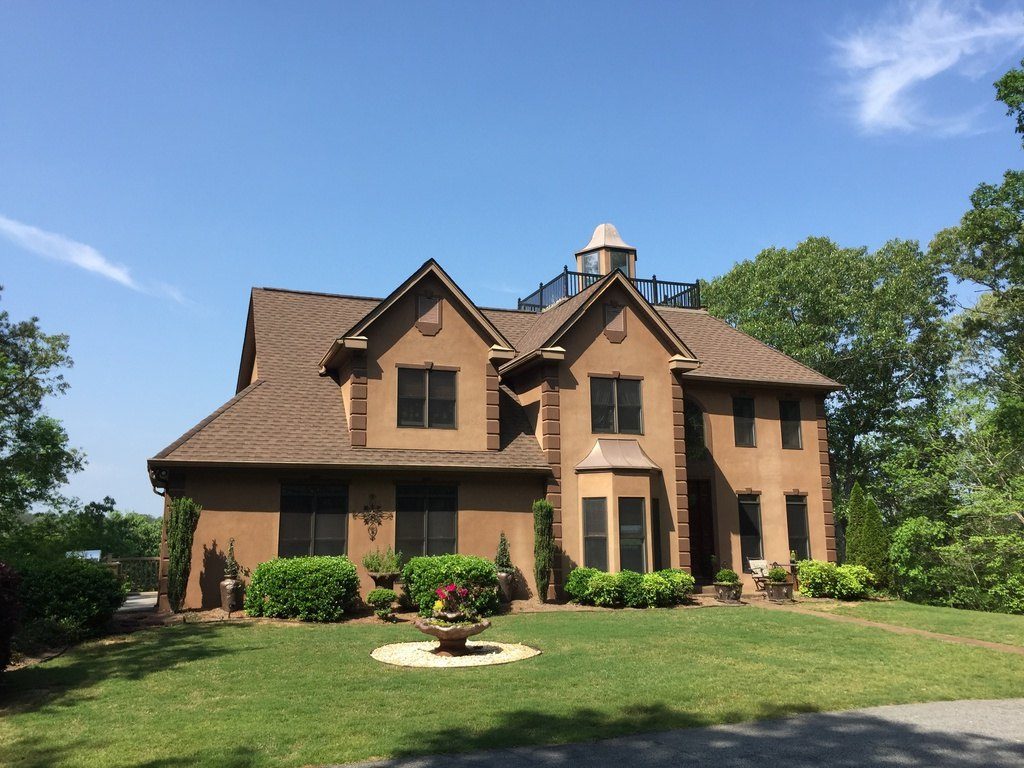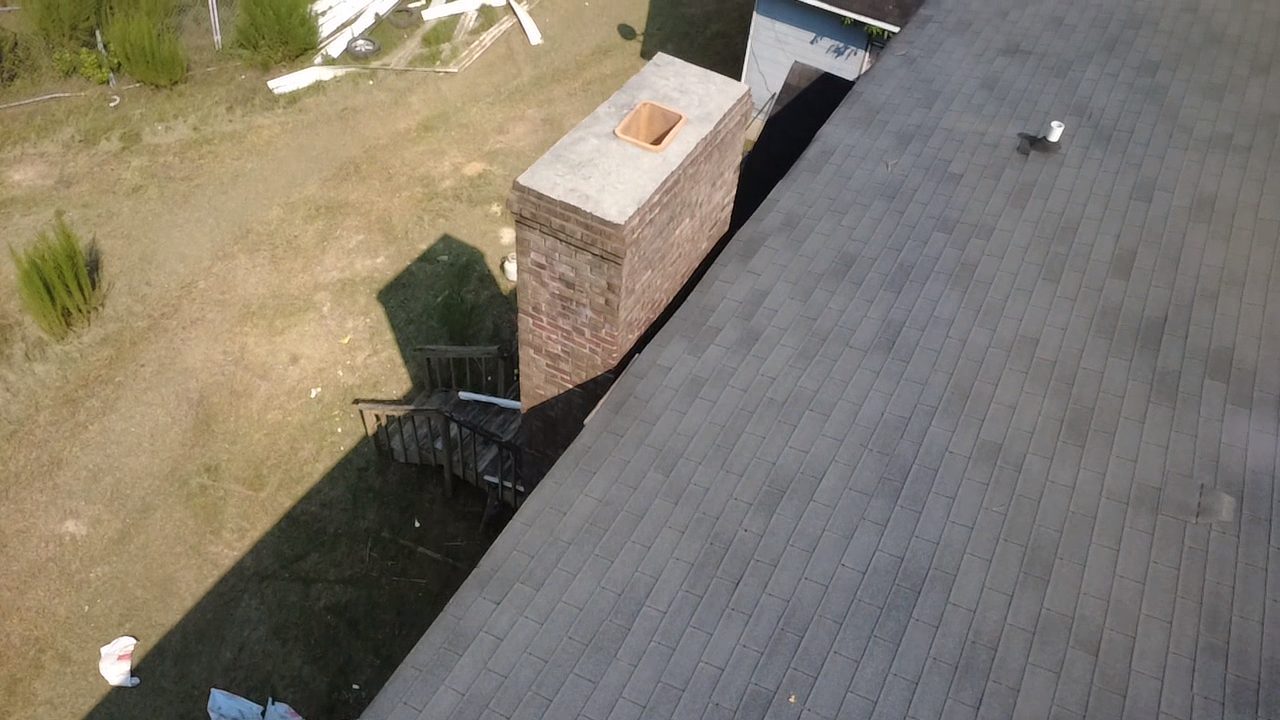
When a strong North Georgia storm rolls through, your roof often takes the hit. High winds, heavy rain, and hail can turn small weak spots into serious problems that show up weeks or months later as leaks, stains, and wood damage. Knowing how to file a roof insurance claim the right way can help you get repairs covered before things get worse.
In this guide, we walk through how to protect your roof and your claim, how to spot possible storm damage, what to expect from the insurance process, and how to turn a stressful situation into a long-term solution for your home.
Protect Your Roof and Claim Before the Next Storm Season
Late-summer and fall storms are common across North Georgia. One rough afternoon can rip shingles, loosen flashing, or knock debris into your roof. The real trouble comes when the next round of weather hits a roof that is already weakened.
Timing matters with insurance. Many policies expect you to report storm damage within a reasonable time. If you wait until leaks show up months later, your insurer may see that damage as neglect instead of storm-related. That can be the difference between a covered repair and paying for a full replacement on your own.
Quick action usually means:
- More damage clearly tied to one storm
- Better chances of coverage
- Less risk of interior damage to drywall, flooring, and personal items
A prompt inspection by a qualified roofing and construction professional helps you understand what actually happened, what needs to be fixed, and whether an insurance claim makes sense for your situation.
Spotting Storm Damage on Your North Georgia Roof
After a storm, you may not see damage right away. Some signs are obvious, while others are subtle and show up over time. It helps to know what to look for, especially before cooler, wetter weather settles in.
Common roof issues after North Georgia storms include:
- Lifted, cracked, or missing shingles
- Dark bare spots where granules have washed off shingles
- Dents in metal vents, gutters, or drip edge
- Loose or bent flashing around chimneys, valleys, and walls
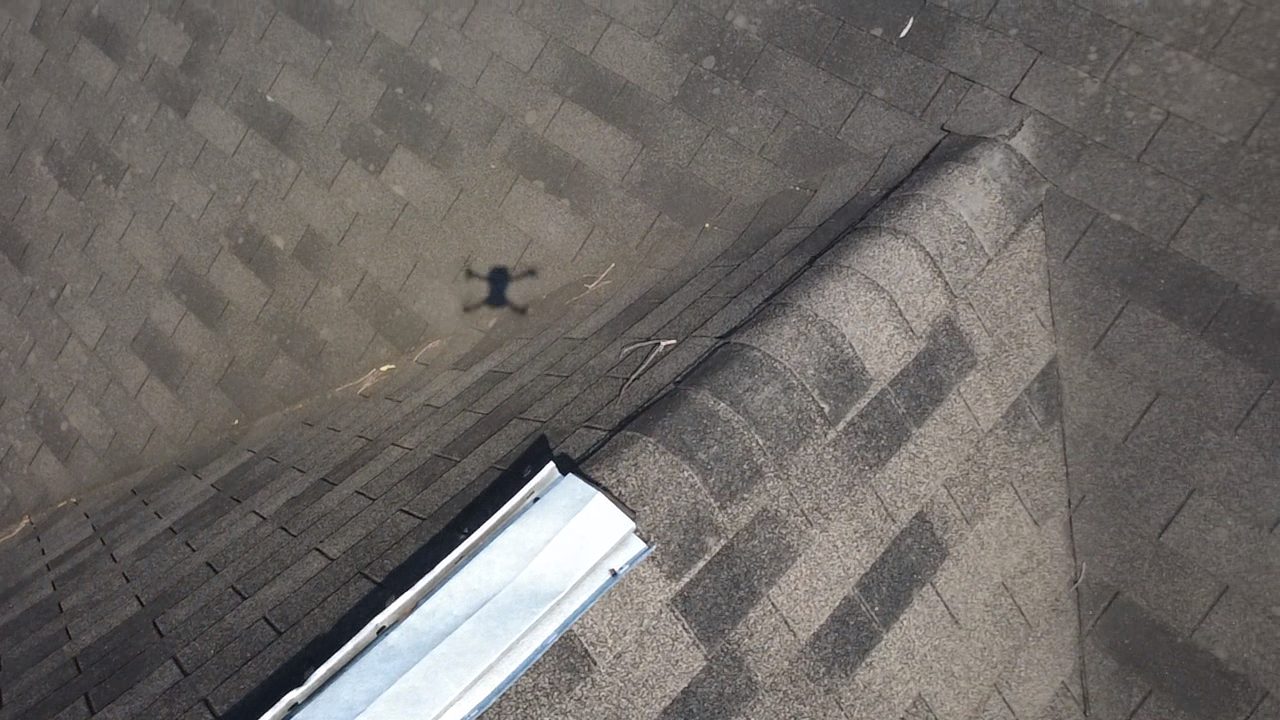
Stay safe as you look things over. Do not get on the roof. Instead, walk around your home and check from the ground with your own eyes and, if you have them, a pair of binoculars. Watch for:
- Shingle pieces or roofing nails on the ground
- Sagging or out-of-line roof areas
- Dents or damage on metal garage doors, mailboxes, or grills, which can hint at hail
Then check connected areas:
- Gutters and downspouts for granules that look like coarse sand
- Siding for impact marks or cracks
- Inside your attic for water stains, damp insulation, or spots where daylight shines through roof decking
Some of the most serious damage is not easy to see without training. That is where an engineered inspection adds value. A professional roofing and construction team led by a Professional Engineer and General Contractor can look at your roofing system as a whole, document structural concerns, and prepare clear findings that speak both to you and to your insurer.
How to File a Roof Insurance Claim the Right Way
Once you think a storm has damaged your roof, it helps to move through a simple, organized process. Knowing how to file a roof insurance claim before you pick up the phone keeps stress down and improves your chances of a fair outcome.
Start with the basics:
- Review your policy so you understand your deductible, coverage type, and any exclusions
- Write down the date and time of the storm as best you can
- Take clear photos and short videos of visible damage from the ground and from inside your home
Good evidence is neat, labeled, and easy to follow. Try to keep:
- Time-stamped photos and videos of the roof, gutters, downspouts, and interior stains
- Copies of any emergency repair receipts, like tarping or temporary leak stops
- A simple written log of when you noticed leaks, drips, or new ceiling spots
A detailed roofing report from a contractor led by a Professional Engineer can also help. That type of report explains what damage came from the storm, how it affects the roof system, and what work is needed to correct it. Insurers often rely on this kind of detail when they review your claim.
When you are ready, call your insurer’s claims line. They will:
- Create a claim number
- Ask basic questions about what happened
- Set a time for an adjuster to visit your property
It usually helps to have your roofing contractor available during that visit so they can answer technical questions and point out hidden damage that is easy to miss.
Working with Adjusters and Avoiding Costly Mistakes
Insurance adjusters have a specific job. They look for cause, age, and condition. They are trying to decide if:
- The damage came from a covered storm or from normal wear and tear
- The roof was already near the end of its life
- There were any existing maintenance problems, like missing sealant or rotten wood
Their findings affect your coverage and payout. While you cannot control their decision, you can avoid common mistakes that weaken your claim.
Try not to:
- Authorize temporary repairs without first taking photos and videos of the damage
- Sign paperwork you do not fully understand, especially agreements that lock you into one contractor before you see an itemized scope of work
- Accept the first settlement offer before comparing it with a detailed roofing estimate
Clear, upfront, line-by-line estimates are powerful in these moments. When your roofing proposal lists each item, material, and task, it becomes much easier to compare it against the insurance estimate. If something is missing or under-scoped, that written detail can support requests for adjustments or supplements.
Turning Your Claim Into a Long-Term Roof Solution
A roof insurance claim does not have to be just a quick patch and a check. Handled well, it can be a chance to build a stronger roofing system that stands up better to North Georgia weather.
A thoughtful roof plan looks at:
- Proper underlayment for moisture control
- Ventilation that helps your attic stay dry and balanced
- Flashing details around chimneys, walls, and valleys
- Structural support in areas that have been stressed by wind or long-term leaks
Coordinating your construction schedule around typical fall and early winter weather can also help. The goal is to complete major roof work during a stretch of drier weather so materials seal correctly and your home stays protected.
A full-service roofing and construction team can manage the process from storm inspection and temporary protection to full roof replacement and related exterior repairs. Steady communication with both you and your insurer helps keep everyone on the same page about scope, timing, and expectations.
Take Control of Your Claim and Protect Your Home Value
Knowing how to file a roof insurance claim is about more than paperwork. It is about acting early, gathering clear evidence, and bringing in qualified roofing and construction help so the damage is correctly identified and documented.
When storms roll through North Georgia, try not to wait until stains spread across ceilings or siding starts to warp. Prompt attention helps preserve coverage, protect your interior finishes, and guard the long-term value of your home. With a careful inspection, an honest, itemized estimate, and a clear plan, your next storm does not have to turn into a roofing crisis.
Protect Your Home and Maximize Your Roof Claim
If storm damage has you worried about your roof, we are ready to walk you through every step so you do not have to handle the claim alone. Reach out and let Vest Construction document the damage, meet with your adjuster, and provide a detailed repair plan that aligns with your policy coverage. If you are ready for help now, contact us to schedule an inspection.