Roof repair cost is rarely as simple as the number printed on an estimate. Once old shingles come off and soft spots are exposed, extra work can show up fast. In North Georgia, where storms, heavy rain, and wind are common, those surprises are even more likely.
Short summer showers can push water under loose shingles. By late August and into fall, what looked like a tiny issue can turn into rotten wood, wet insulation, and stains inside your home. That is when roof repair cost climbs, and homeowners feel blindsided by new line items.
We are a licensed and insured roofing and construction company in North Georgia, led by a Professional Engineer and licensed General Contractor. Our goal is to help you see the hidden issues early so you can understand and control roof repair cost before work starts, not after.
The “Small” Repairs That Turn Into Big Bills
A missing shingle or a small area of hail damage might not look serious from the yard. The trouble is, what you see on top is only part of the story.
Rotten decking, fascia, and rafters often stay hidden until the old roofing materials are removed. Water can creep in around lifted shingles or bent flashing, soak the wood underneath, then dry out before anyone notices. Over time that wood can:
- Soften and rot
- Lose strength and start to sag
- Attract insects and mold
Older North Georgia homes face even more risk. Past DIY patch jobs or quick fixes may have covered over soft spots instead of repairing them. That can leave weak framing and spongy decking waiting under the surface. With Professional Engineer oversight, structural red flags are more likely to be caught before you approve a roof repair cost, not halfway through the job.
Another big source of surprise is everything under the shingles. Many “cheap” estimates do not include:
- New underlayment to protect the decking
- Drip edge along the eaves
- Updated flashing around chimneys, walls, and valleys
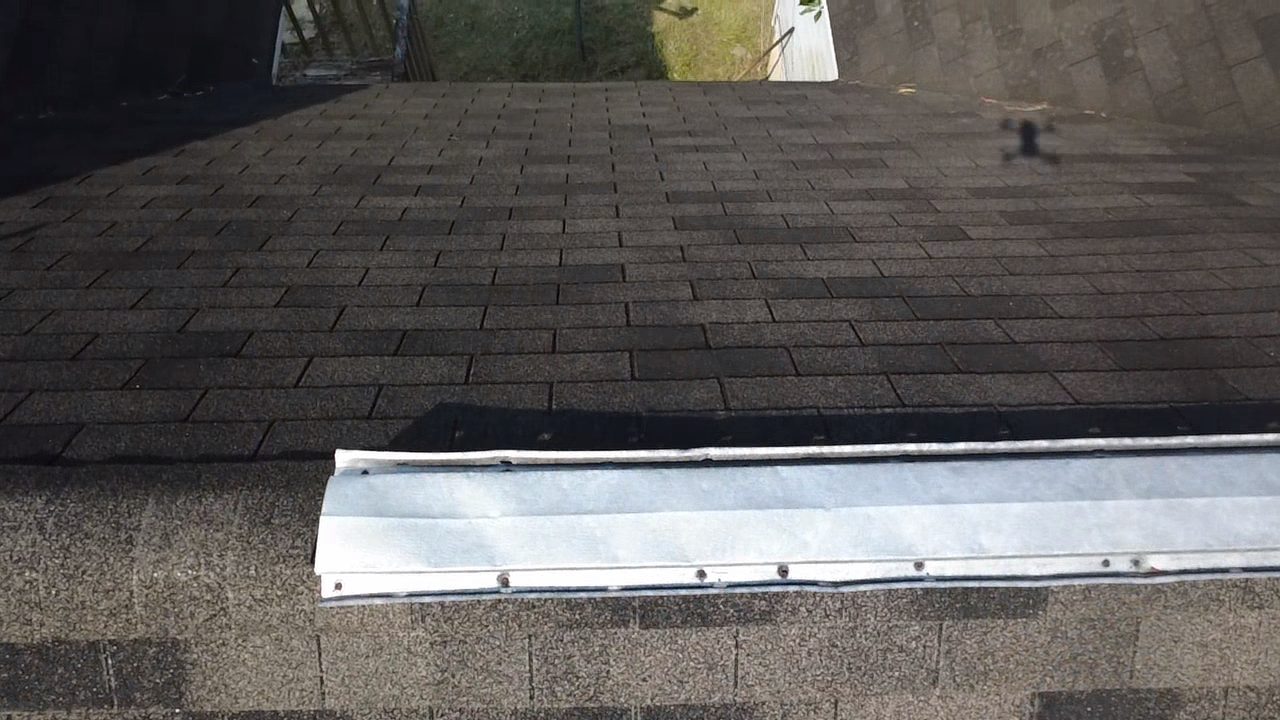
If your underlayment is worn out or torn, or if your flashing is rusted or poorly installed, it should be replaced while the roof is open. That adds work and time. Ventilation is another hidden piece. Without proper eave and ridge vents, heat and moisture can build in the attic, which can:
- Shorten shingle life
- Increase the risk of mold and mildew
- Lead to warped decking and higher future roof repair cost
A detailed, line-item proposal that spells out decking repair, underlayment, flashing, drip edge, and ventilation makes a big difference. When every part is clearly listed, you are far less likely to see “extras” pop up mid-project.
Hidden Costs Inside Your Attic and Walls
Not all damage shows up on the roof itself. Some of the most expensive problems hide in your attic and wall cavities.
Slow leaks from summer storms can drip inside for a long time before you see a ceiling stain. Water can soak insulation and framing, then dry out at the surface, leaving no obvious sign from the living room. Once roofing is opened up, you might suddenly learn that you also need:
- Wet insulation removed and replaced
- Sheetrock patched or replaced
- Areas treated for possible mold growth
That is why a thorough attic inspection before the roof work starts is so important. A good inspection often includes photos, moisture readings, and careful checks around valleys, chimneys, and penetrations. When that information is collected early, the roof repair cost estimate can include likely interior repairs instead of leaving them as surprises.
Water also likes to follow the path of least resistance, which means it can run along wires, ducts, and framing. Around vents, chimneys, skylights, and other openings, leaks can damage:
- Electrical wiring and recessed light fixtures
- HVAC ductwork and connections
- Interior finishes like paint, texture, and trim
Once the leak is fixed on the roof, the inside still has to be put back together. That might mean repainting a room, refinishing a ceiling, or redoing damaged trim. Working with a contractor who handles roofing, restoration, and full-home renovation can keep that process smoother. Cabinetry, drywall, flooring, and paint can be coordinated with the roof work so you are not juggling multiple contractors and surprise invoices.
Insurance Gaps That Shift Costs Back to You
Many homeowners expect insurance to cover any roof repair cost tied to a storm. The reality is often more complicated.
There is a big difference between sudden storm damage and long-term wear and tear. Insurance is usually focused on the sudden event. Pre-existing wear, poor past repairs, and certain maintenance issues may not be included. Policy details that affect what you pay out of pocket often include:
- Actual cash value vs replacement cost
- Deductible amounts
- Exclusions or limits for older roofs
If your policy pays actual cash value, it may only cover the roof’s current value, not what it costs to put on a new roof. If the roof is older, that can leave a gap you must pay. Documenting your roof’s condition before peak storm season can help protect you from claim denials or reduced payouts when damage happens.
Even with a solid claim, there are often items not fully covered, like:
- Certain code-required upgrades
- Added ventilation for proper airflow
- Some types of flashing or skylight replacement
Temporary repairs, emergency tarping, and possible lodging if damage is severe can also increase your total cost. Working with a licensed General Contractor who understands how insurance scopes are written can help make sure necessary work, safety items, and code requirements are included from the start rather than discovered late.
Seasonal Timing Mistakes That Raise Your Final Bill
Timing matters more than most people think. Waiting until fall storms expose summer damage is a common and costly mistake.
When you delay roof repairs from spring and summer storms, every new rain has a chance to push more water into the same weak spots. By late summer and early fall, that small leak might have soaked more insulation, stained more drywall, and weakened more wood. The repair grows, and so does the bill.
Busy storm seasons also affect pricing, lead times, and material availability. When demand is high, it often takes longer to schedule crews and get certain products. Taking care of inspections and smaller repairs before heavy fall rains and winter freezes in North Georgia can:
- Limit how far damage spreads
- Give you more flexibility in scheduling
- Help keep roof repair cost from ballooning
Another mistake is choosing quick patches over long-term fixes. A low-cost repair that ignores bad flashing, poor ventilation, or aging shingles might hold up for a short time, but the same area often fails again. That means more service calls, more disruption, and more money spent over the years. A slightly higher upfront roof repair that addresses root causes can extend the life of your roof and help avoid repeat problems.
Looking at your roof as part of your whole home system is key. Roof, attic, framing, insulation, and interior finishes all connect. When repairs are planned with that big picture in mind, they are more likely to last.
How to Get a Realistic Roof Repair Budget Today
If you want a clear idea of roof repair cost, it starts with good information. Before calling a professional, you can get prepared by doing a few simple checks, without climbing on the roof:
- Look at ceilings and walls for stains, bubbling paint, or sagging
- Peek into the attic, if safe, for dark spots, damp insulation, or daylight through the roof
- Walk around your home and look up for missing shingles, sagging areas, or loose gutters
Next, gather key details that will help your contractor give a better estimate:
- Approximate age of your roof and any major past repairs
- Locations where you have noticed leaks or stains
- Basic insurance policy information, including deductible and roof coverage type
When you request a proposal, ask for a thorough, written roof repair cost breakdown that clearly lists:
- Possible decking repair or replacement
- Underlayment, drip edge, and flashing
- Ventilation changes
- Potential interior repairs to insulation and drywall
Working with a licensed, insured, engineer-led roofing and construction team gives you the benefit of both structural insight and practical construction experience. With roofing, restoration, and full-home renovation under one roof, inspections tend to be more complete, pricing clearer, and repairs more coordinated from the top of your home to the inside finishes. This kind of approach can help reveal hidden costs while they are still manageable, especially as late-summer storms roll through North Georgia and fall weather approaches.
Get Started With Your Project Today
If you are unsure what your roof repair cost might look like, we can walk you through the details step by step. At Vest Construction, we assess your roof, explain your options, and provide clear pricing before any work begins. Reach out so we can help you prioritize what needs attention now and what can wait. If you are ready to talk specifics, just contact us and we will schedule a convenient time.