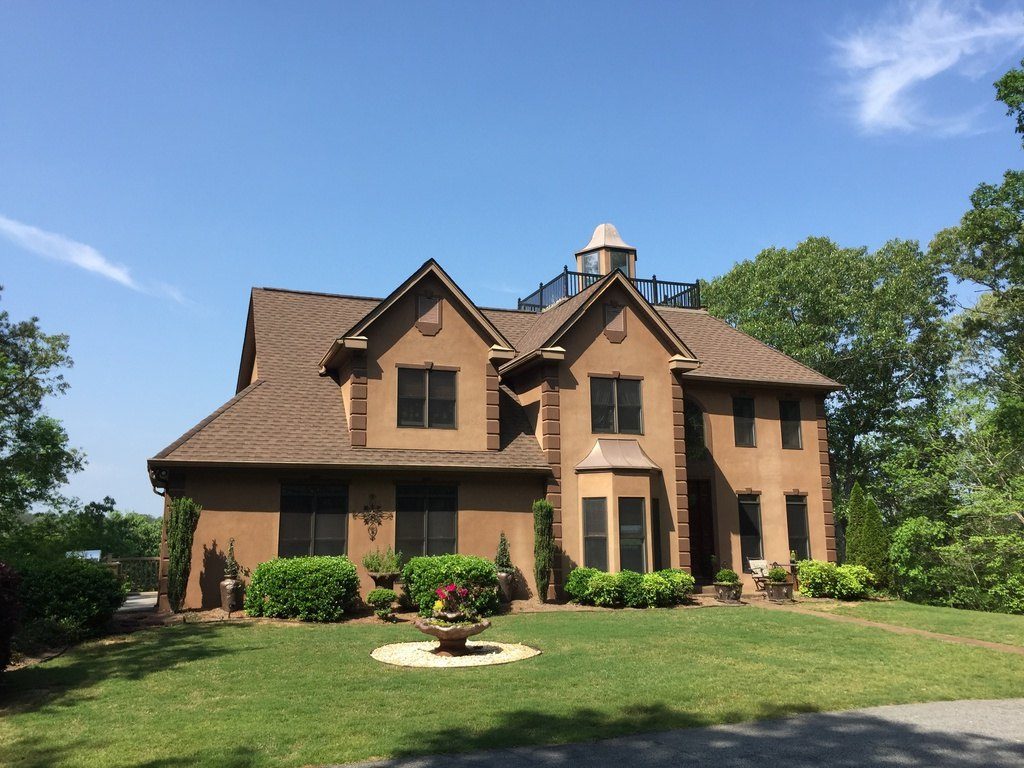
Your roof inspection report should feel like a clear plan, not a mystery. When you know what each note, photo, and recommendation really means, you can fix the right things at the right time and set a smart 5- to 10-year budget instead of reacting to every storm.
In North Georgia, late summer is a great moment to get a free roof inspection. The heavy fall rain, leaf buildup, and winter freezes are coming soon, and small issues now can turn into leaks later. In this guide, we will explain what an engineering-grade report includes, how to read it with confidence, and how to turn the findings into a long-term roof plan for your home.
Decode Your Roof Inspection Like a Pro
Late summer is when roofs in our area start to show stress from heat, humidity, and early storms. Getting a free roof inspection before fall gives you time to handle repairs while the weather is still friendly. It also helps you avoid last-minute emergency calls when the first big storm hits.
An engineering-grade roof inspection report is very different from someone glancing at your shingles from the driveway. It usually includes:
- A full walkable-roof review
- Structural insight based on framing, decking, and load paths
- Detailed photos and notes for each concern
- Clear repair priorities and suggested timeframes
At Vest Construction, inspections are led by a Professional Engineer and licensed General Contractor. That mix of training means we are not just looking for missing shingles, we are thinking about structure, water flow, and how each issue might play out over 5 to 10 years. That helps you plan, instead of guessing.
What an Engineering-Grade Roof Report Really Includes
A good report starts with a visual and structural overview. You will usually see:
- Roof age and estimated remaining life
- Roof type and materials, such as asphalt shingles or metal details
- Slope and drainage patterns
- Notes on how sun, shade, and tree cover affect wear
In North Georgia, heat, humidity, heavy rain, and quick temperature swings all affect how long a roof lasts. The report will show how your roof is handling those stresses today.
Next, there is a detailed deficiency log. Common items include:
- Granule loss and surface wear on shingles
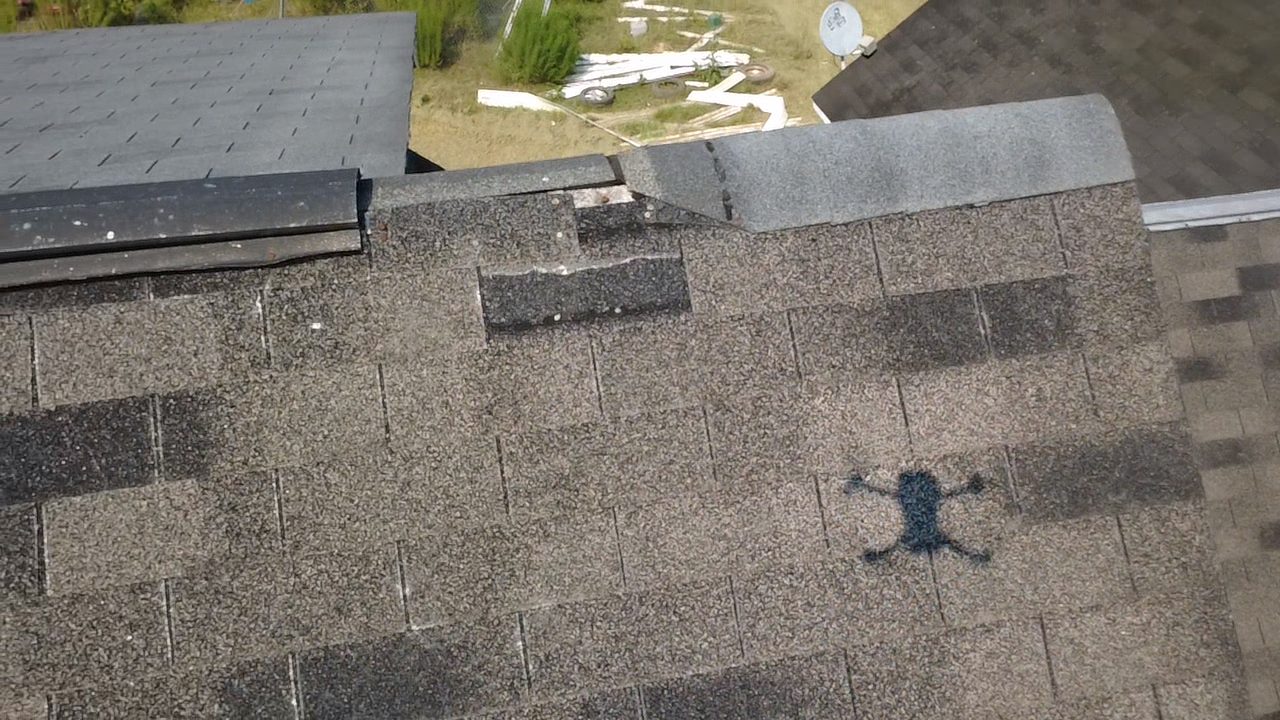
- Lifted, cracked, or missing shingles
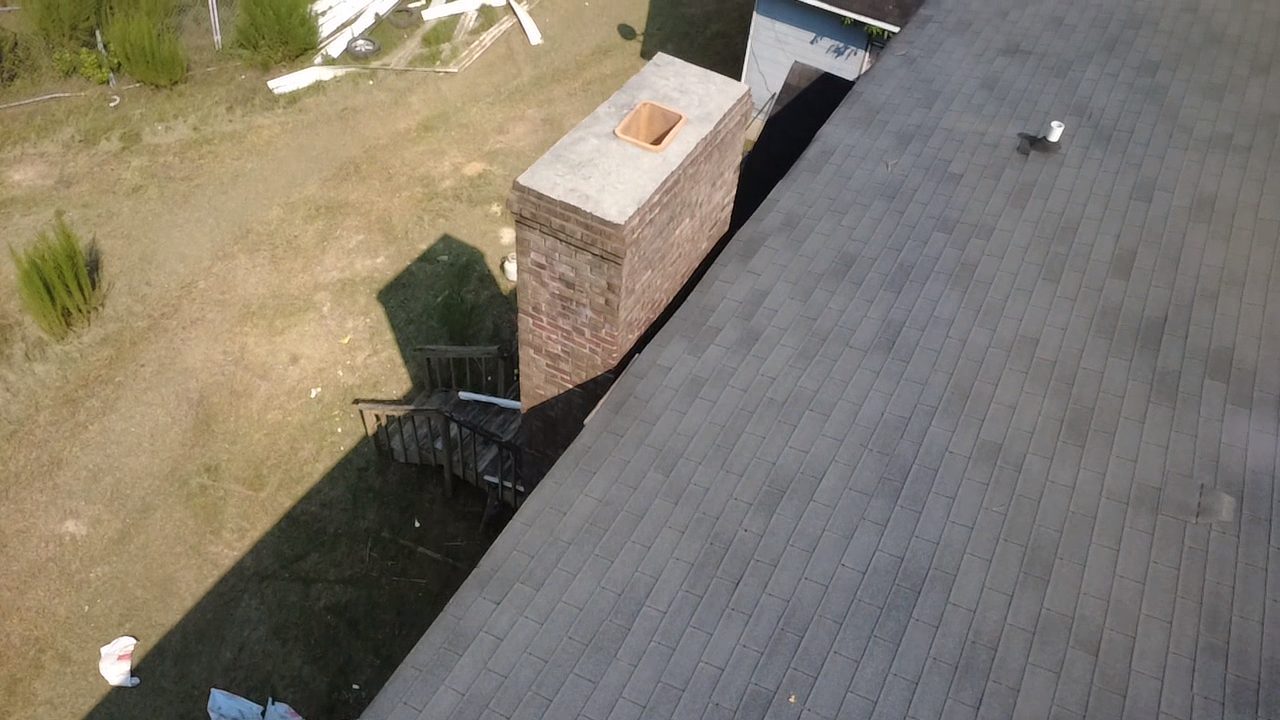
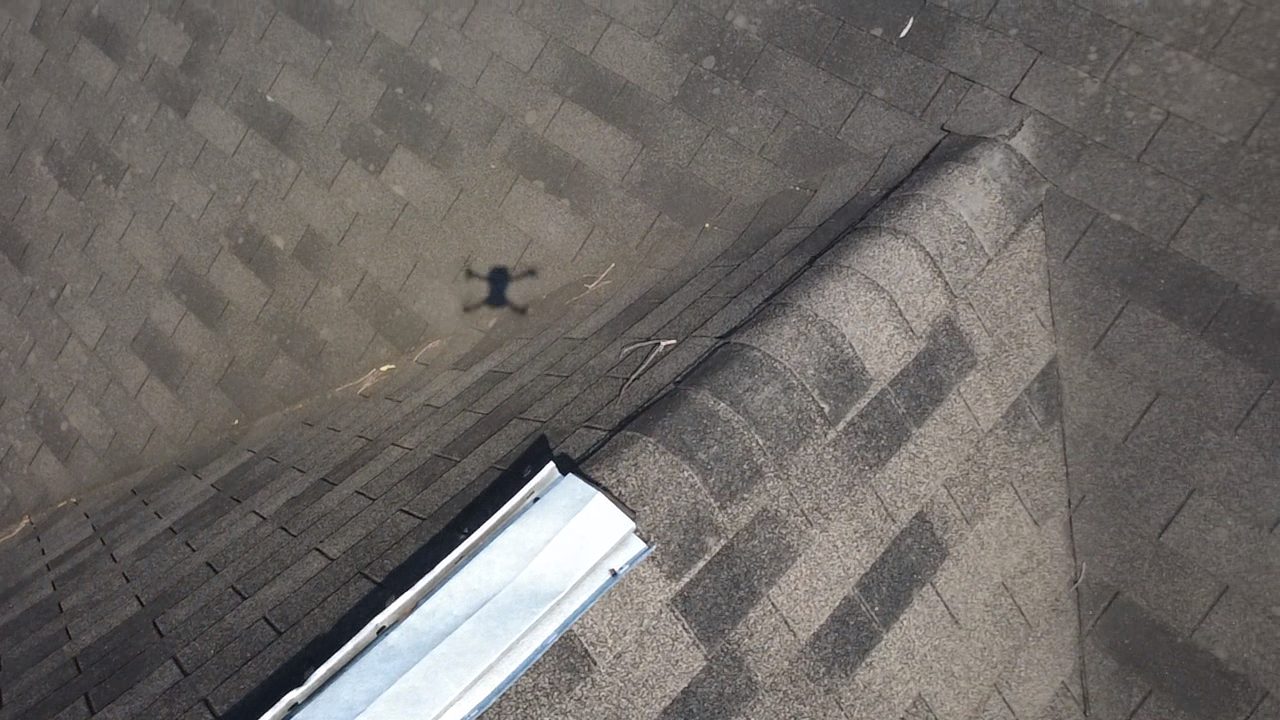
- Flashing issues around chimneys, walls, and valleys
- Soft or flexing roof decking underfoot
- Ventilation problems, like blocked or missing vents
- Signs of hail or wind impact, such as bruising or creased shingles
Each point should come with photos, locations, and comments. That way you can match every line in the report to a real spot on your roof.
An engineering-grade report also includes some level of risk and impact assessment. Findings are often grouped as:
- Structural concerns that may affect framing or decking
- Weather-related damage that may interest insurance
- Cosmetic issues that affect appearance but not function
- Maintenance items that are small now but can grow
This helps you understand how each finding ties into safety, resale value, and future conversations with an insurer or buyer.
Reading Findings and Prioritizing Repairs Confidently
Most reports use a simple severity scale. You might see words like urgent, high, moderate, and monitor.
In our local climate, “urgent” often means fix before the next round of strong storms or within a few weeks. “Monitor” typically means keep an eye on it through the next season or two. The engineer’s notes should give real-world context, not just labels.
It also helps to separate leak risk from structural risk:
- Leak risk covers anything that can let water into the home soon, such as open flashing, exposed nail heads, or torn shingles. These can lead to stains, mold, and insulation damage.
- Structural risk includes sagging areas, soft decking, or signs of long-term rot that may affect the roof’s ability to carry weight. These are serious, even if you do not see a drip yet.
A simple prioritization strategy is to group repairs into three buckets:
- Immediate, before heavy fall storms: patch leaks, fix flashing, repair damaged shingles, address any structural red flags.
- Next 12 to 24 months: handle moderate wear, partial replacements, and non-urgent but important fixes.
- Next 3 to 5 years: plan for full replacement, ventilation changes, and bigger upgrades suggested in the report.
Done right, a free roof inspection becomes your planning tool, not a panic button. If the report points toward targeted work, a well-scoped roof repair can solve the root cause instead of the symptom.
Turning Roof Findings Into a 5- to 10-Year Budget
Your report is the starting point for a long-term budget. The engineer’s comments on remaining roof life give you a window for when a full replacement may be needed. If the report notes aging shingles, soft spots in certain areas, or repeated patch jobs, that is a hint to start planning sooner.
Look at the line items in the report to build a realistic cost range. Helpful details include:
- Roof size and number of stories
- Roof complexity, such as hips, valleys, and dormers
- Material type and possible upgrades
- Access challenges, like steep slopes or tight lot lines
Even without exact numbers, these notes help you think in terms of low, medium, and high budget scenarios. As you gather quotes over time, you can match them back to the report details so you are comparing apples to apples.
For ongoing care, it helps to plan a modest annual maintenance amount for:
- Regular inspections
- Minor shingle and flashing repairs
- Gutter cleaning and debris removal
- Sealing around penetrations like vents and chimneys
These small steps, based on your report’s weak points, can stretch roof life and reduce surprise expenses over a 5- to 10-year horizon.
Seasonal Strategies for North Georgia Roof Care
Once you have your inspection report, you can turn it into a simple seasonal checklist. For late summer and fall, focus on:
- Fixing any active or likely leak points
- Repairing or replacing damaged shingles and flashing
- Clearing valleys and gutters ahead of leaf drop
- Sealing around chimneys and walls where water tends to sneak in
As winter and spring arrive, review the report again and note areas to watch. Pay special attention to:
- Ice-prone eaves and shady areas where melt and refreeze can occur
- Past leak spots in ceilings or walls below suspect roof areas
- Older repair patches that may need another look after storms
Over time, your report may also suggest resilience upgrades, such as:
- Better attic ventilation to control heat and moisture
- Higher quality underlayment in valleys and along eaves
- Impact-resistant shingles where hail is a concern
These upgrades can often be phased in when you tackle larger repair work or a full replacement, which keeps your long-term plan flexible and clear.
At Vest Construction, we build our engineer-led roofing inspections to support this kind of smart planning. With clear findings, photo documentation, and practical priorities, North Georgia homeowners can read their reports with confidence and build a calm, step-by-step roof maintenance roadmap for the next decade.
Get Started With Your Project Today
If you have noticed wear, leaks, or storm damage on your roof, now is the right time to schedule a free roof inspection. At Vest Construction, we carefully evaluate your roof so you understand its condition and your best options before committing to any work. Our team will explain our findings in plain language and answer your questions so you can make a confident decision. To set up your appointment or ask about next steps, please contact us.