Stop Costly Mistakes After a Storm Hits Your Roof
Storms in North Georgia can hit hard. Strong wind, hail, and heavy rain can pull shingles loose, bruise them, and push water into places you cannot see from the ground. The roof may look fine from the driveway, but small leaks and cracks can already be starting above your head.
Right after a storm, every decision feels urgent. Many homeowners feel pressure to say yes to the fastest and easiest storm damage roof repair just to get life back to normal. That quick decision can feel smart in the moment, but it often leads to bigger problems and more stress later.
We want to help you slow down just enough to avoid those painful regrets. When you work with a licensed, insured, engineering-led contractor, you can move quickly, but still make safe, clear, and financially sound choices for your home and your family.
Rushing to the First Roofer at Your Door
The hours after a big storm can feel stressful. You might see missing shingles on the lawn, water spots on a ceiling, or hear steady dripping in the attic. At the same time, trucks start rolling through the neighborhood and people may knock on your door offering "fast" roof repair.
In that moment, it is easy to say yes right away. Many homeowners worry about:
- Leaks getting worse
- Mold and mildew spreading inside walls
- Damage to ceilings, floors, and personal items
- Insurance deadlines and claim questions
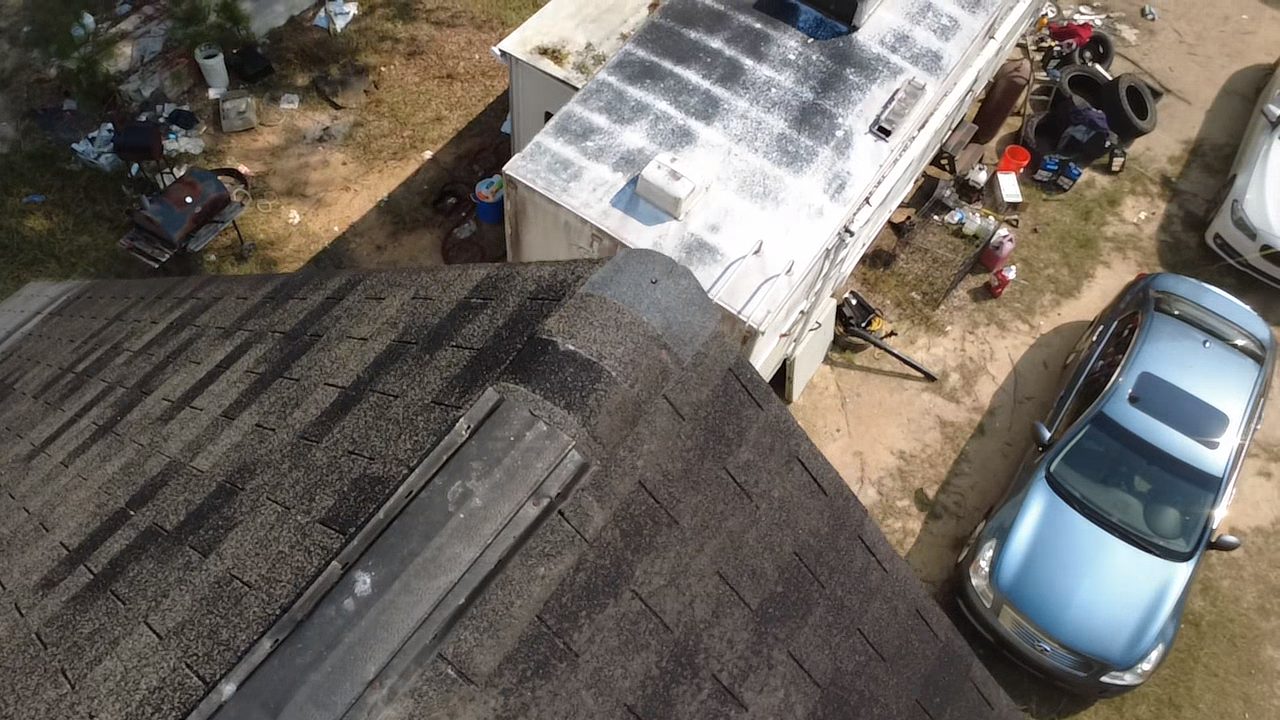
When fear takes over, it is common to end up with an unlicensed "storm chaser" who has no local office, no clear warranty, and no detailed plan in writing. Too often, these contractors disappear when problems show up later.
A better path is to pause and check a few key items before agreeing to storm damage roof repair:
- Confirm the contractor is licensed and insured
- Ask for local references and recent projects in your area
- Ask if a Professional Engineer or licensed General Contractor is involved in overseeing work
- Request a clear written estimate and scope of work before signing anything
Those simple steps help you filter out risky options and focus on companies that stand behind their work.
Treating Storm Damage Roof Repair as a Quick Patch
Storm damage is rarely just a missing shingle or two. Even a small area of damage can affect the layers underneath your roof surface. When repairs are treated like a simple patch, deeper issues are often ignored.
A quick patch usually only covers what you can see from the outside. A thorough storm damage roof repair looks at:
- Roof decking for soft spots, warping, or rot
- Underlayment to make sure the water barrier is still working
- Flashing around chimneys, walls, and valleys
- Ventilation and airflow in the attic
- Any signs of structural stress or movement
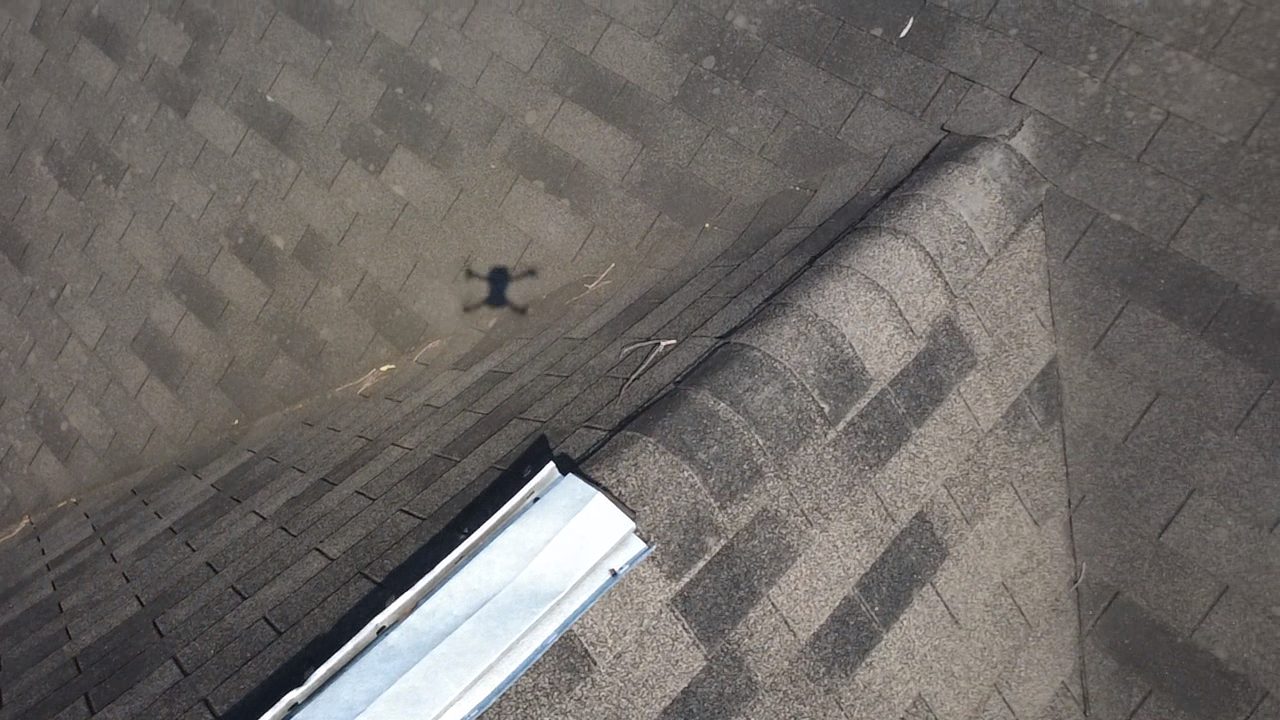
When these pieces are skipped, homeowners often regret it later. Problems can show up as:
- New leaks in different parts of the house during later storms
- Warped or sagging roof decking
- Trapped moisture leading to mold and musty smells
- Needing a full roof replacement much sooner than expected
A better approach is a step-by-step evaluation: start with a full roof inspection, then check the attic and ceilings, document what is found for insurance, and build a repair plan that supports long-term performance and meets building code. That way, the work done today helps your roof stand up to the next storm, not just the last one.
Letting Insurance Deadlines Drive Every Decision
Insurance is a big part of storm damage roof repair, and it can feel confusing. Deadlines, claim forms, and adjuster visits often make homeowners feel rushed. It can be tempting to accept the first number or the quickest option just to get the claim closed.
When the process is rushed, a few common regrets show up:
- Damage that was missed because no qualified professional documented it
- Repairs that match the lowest estimate, not what your home actually needs
- Code-required upgrades that were never included, leaving you to pay later
- A finished roof that still does not fully protect the house
A stronger approach is to bring in a reputable roofing and construction company early in the process. A detailed inspection report with photos and clear notes can help you:
- Understand what really happened to your roof
- Compare their findings with the adjuster's report
- Confirm that the scope of work fits your home's needs and local codes
Insurance timelines matter, but they should not force you into weak repairs or incomplete work.
Ignoring Structure and Ventilation Behind the Shingles
Shingles are only the outer layer of your roofing system. Storms can also affect roof framing, decking, gutters, chimneys, and the air movement in your attic. When only the surface is repaired, deeper issues can slowly grow.
Hidden damage can lead to long-term regrets, such as:
- Sagging roof lines that get worse over time
- Ice dams and winter moisture issues in colder snaps
- Higher energy bills from poor attic ventilation
- Mold growth caused by trapped humidity and warm air
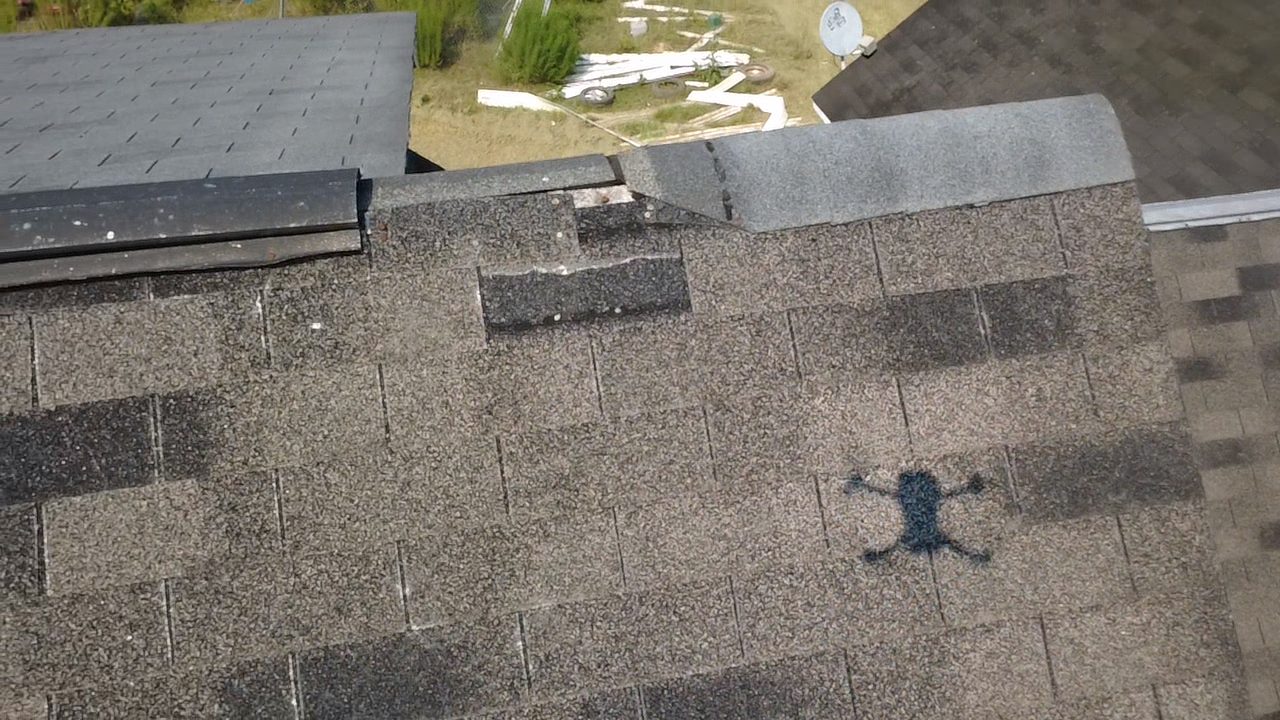
This is where an engineering-led team brings real value. A Professional Engineer can help review structural concerns, look for patterns of movement or stress, and suggest changes if needed. Ventilation can be checked to confirm that:
- Intake and exhaust vents are balanced
- Air can move freely through the attic
- Insulation is not blocking vents
- Any needed upgrades are included in the repair, not treated as extras
Fixing structure and ventilation at the same time as storm damage roof repair gives your home a stronger and more stable roof system.
Choosing the Cheapest Price Over Proven Quality
After a storm, it is common to see a big spread in repair and replacement estimates. It might feel natural to pick the lowest number, especially when you are worried and tired. But the lowest price often comes with tradeoffs that are not clear at first.
Some low bids may include:
- Lower grade shingles or materials with shorter life spans
- Minimal underlayment or weaker water barriers
- Shortcuts on flashing, nails, and other key details
- Warranties that are hard to use or not backed by a stable company
Instead of focusing only on price, it helps to compare:
- Material brands and ratings
- Installation methods and standards
- Compliance with local North Georgia building codes
- Workmanship warranties and what they really cover
- The contractor's history and presence in the local community
Quality materials and careful installation are what protect your home when the next storm hits, not just the number at the bottom of the estimate.
Make Storm Season the Time You Upgrade, Not Regret
Storm damage roof repair does not have to be about just getting by until the next big wind. The same event that damaged your roof can also be a chance to improve it. Many homeowners choose to upgrade to better shingles, improved ventilation, and more durable flashing when repairs are already needed.
When those decisions are guided by a licensed and insured, engineering-led company like Vest Construction, you can avoid the most common regrets that follow a storm. You get a clear picture of the damage, a plan that respects both safety and budget, and work that is designed for North Georgia weather, not just a calm sunny day.
Get Started With Your Project Today
If your roof has been hit by hail, wind, or fallen branches, our team at Vest Construction is ready to inspect the damage and guide you through reliable storm damage roof repair solutions. We work with you to prioritize safety, prevent further issues, and restore your home as quickly as possible. Reach out today so we can assess your roof, answer your questions, and coordinate with your insurance if needed. To schedule an appointment or request an estimate, please contact us.