Use a Roof Inspection to Make a Smart, Safe Decision
A roof problem puts you in a tough spot. You do not want to waste money on a full replacement if a solid repair will fix it. You also do not want to keep patching a roof that is slowly failing and putting your home at risk. That is where a real roof inspection makes all the difference.
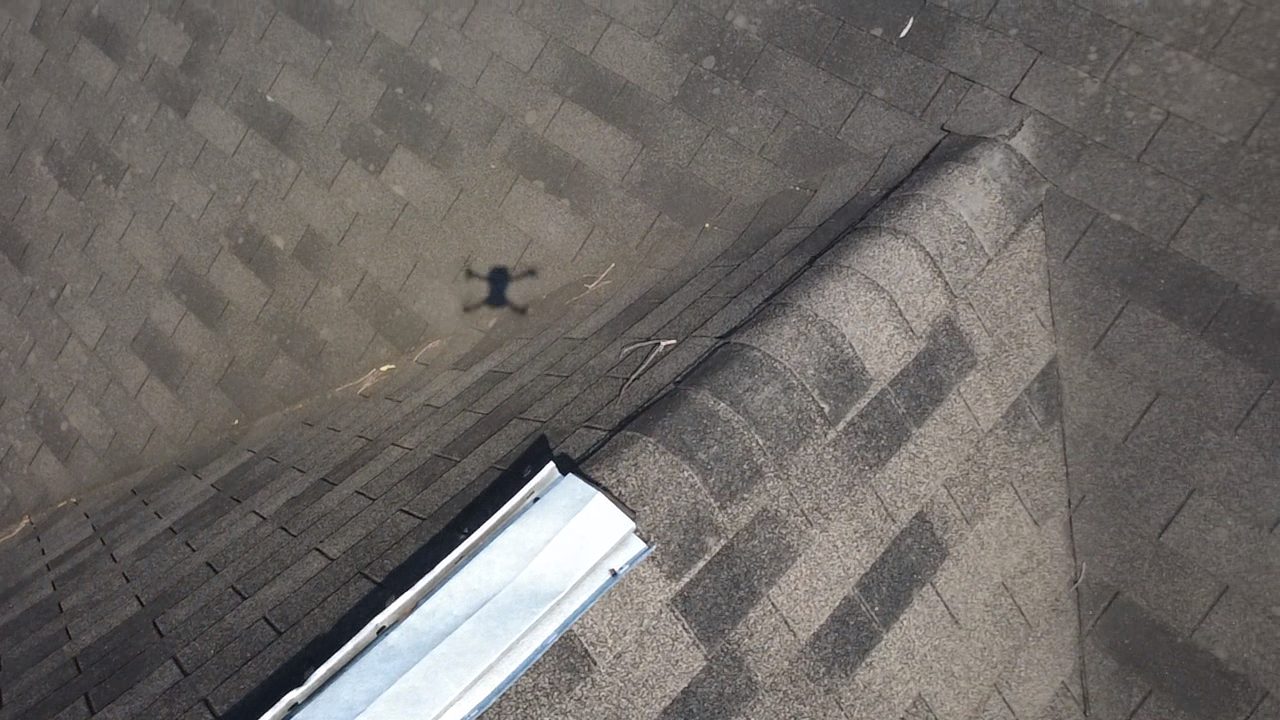
A professional roof inspection turns guesswork into clear choices. Instead of guessing from the ground, you get photos, notes, and expert eyes on every part of your roof. This is especially important in North Georgia, where heavy rain, wind, and the occasional ice event can push a weak roof past its limit.
At Vest Construction, we are a licensed and insured roofing and construction company based in North Georgia. Our work is led by a Professional Engineer and General Contractor, so we do not only look at shingles. We look at structure, drainage, and how your roof will perform over the long term. In this article, we will walk through what a thorough roof inspection should include, what the findings really mean, and practical decision points to help you choose between repair and replacement with confidence.
What a Professional Roof Inspection Really Includes
A real roof inspection is much more than a quick glance from the driveway. It should cover the full roofing system, outside and inside.
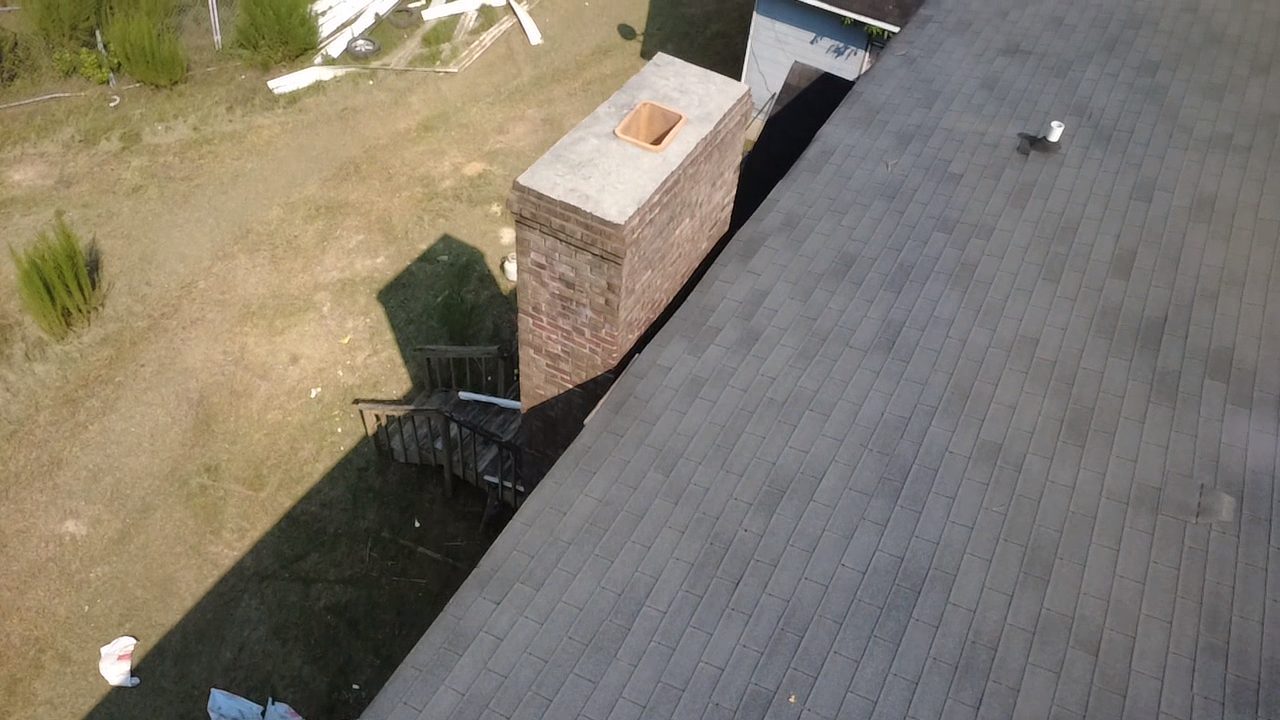
On the exterior, a thorough inspection usually includes:
- Shingles or metal panels, checked for cracks, lifted edges, granule loss, and missing pieces
- Flashing around chimneys, skylights, walls, and valleys, checked for gaps, rust, or separation
- Roof penetrations like vents and pipe boots, checked for cracking or loose seals
- Gutters, downspouts, and drip edge, checked for clogs, proper slope, and signs of overflow
- Fascia and soffits, checked for rot, peeling paint, or signs of moisture
Inside the home, the inspector should also look at:
- Attic spaces for stains, damp insulation, or daylight coming through the decking
- Signs of mold or mildew that suggest long-term moisture
- Ceiling and wall stains, peeling paint, or bubbling drywall under roof areas
Because our team is led by a Professional Engineer, we also pay close attention to the structure that holds the roof up. That includes roof framing, any sagging areas, ventilation and airflow in the attic, insulation that may be damp or compressed, and potential load issues that weather could expose. This matters when heavy rain or a rare snow event puts extra weight and stress on your roof.
There is a big difference between a quick drive-by estimate and a documented inspection. A strong inspection report should include:
- Clear photos of problem areas
- Measurements of affected sections
- Written findings in plain language
- Notes that can support insurance claims or real estate decisions
Red Flags That Point Toward Full Roof Replacement
Not every problem means you need a new roof, but some findings are strong clues that replacement is the smarter long-term move.
Common red flags that often point toward replacement include:
- Widespread shingle granule loss that leaves dark or shiny patches across large areas
- Curled, cracked, or brittle shingles in many different spots, not just one corner
- Soft, spongy decking when walked on, which suggests rot or advanced water damage
- Chronic leaks that pop up in different rooms or come back after past repairs
- Visible sagging or dips in the roof line that point to possible structural problems
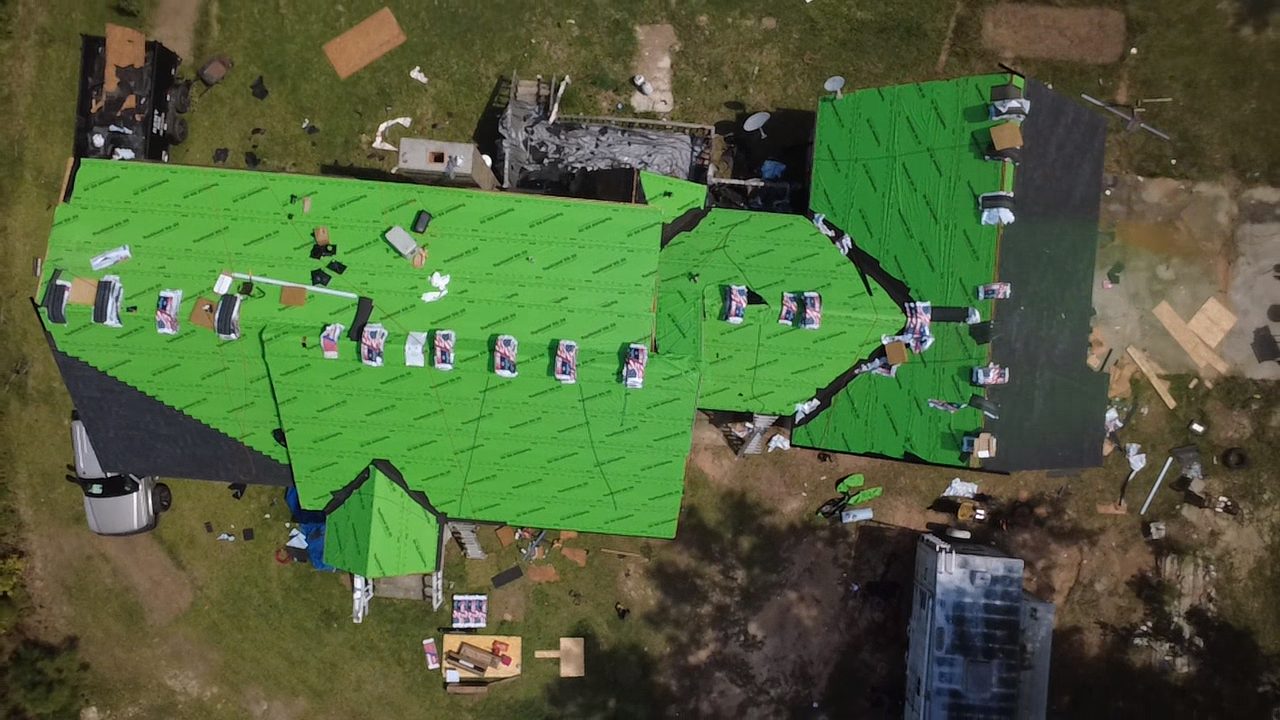
Age also matters. An asphalt shingle roof that is near the end of its expected life and has had several repairs usually does not benefit from more patchwork. North Georgia sun, humidity, and repeated storms can speed up wear. When shingles have aged and the underlayment and decking start to suffer too, the roof often works as a system that is simply tired. In those cases a full roof replacement is usually the better investment.
During an inspection, an experienced eye may also find less obvious issues, such as:
- Poor or blocked ventilation that causes the attic to overheat and cook the shingles from below
- Pervasive mold or rot in decking or rafters that cannot be fixed with a surface repair
- Gaps in current building codes in areas like underlayment, flashing, or fasteners that make a full system replacement more practical than trying to patch each problem
When several of these red flags show up together, replacement usually protects your home better and reduces the chance of repeated disruptions from leaks.
When a Targeted Roof Repair Is the Right Call
On the other hand, many roofs only need a focused, professional repair. The key is that the rest of the roof must still be in good shape.
A repair is often a smart choice when:
- Damage is limited to one area from a branch impact or small wind event
- There are a few lifted, cracked, or missing shingles but the field of shingles looks consistent
- A single flashing detail, like around a chimney or pipe boot, is failing
- A minor valley or transition issue is caught early before water spreads
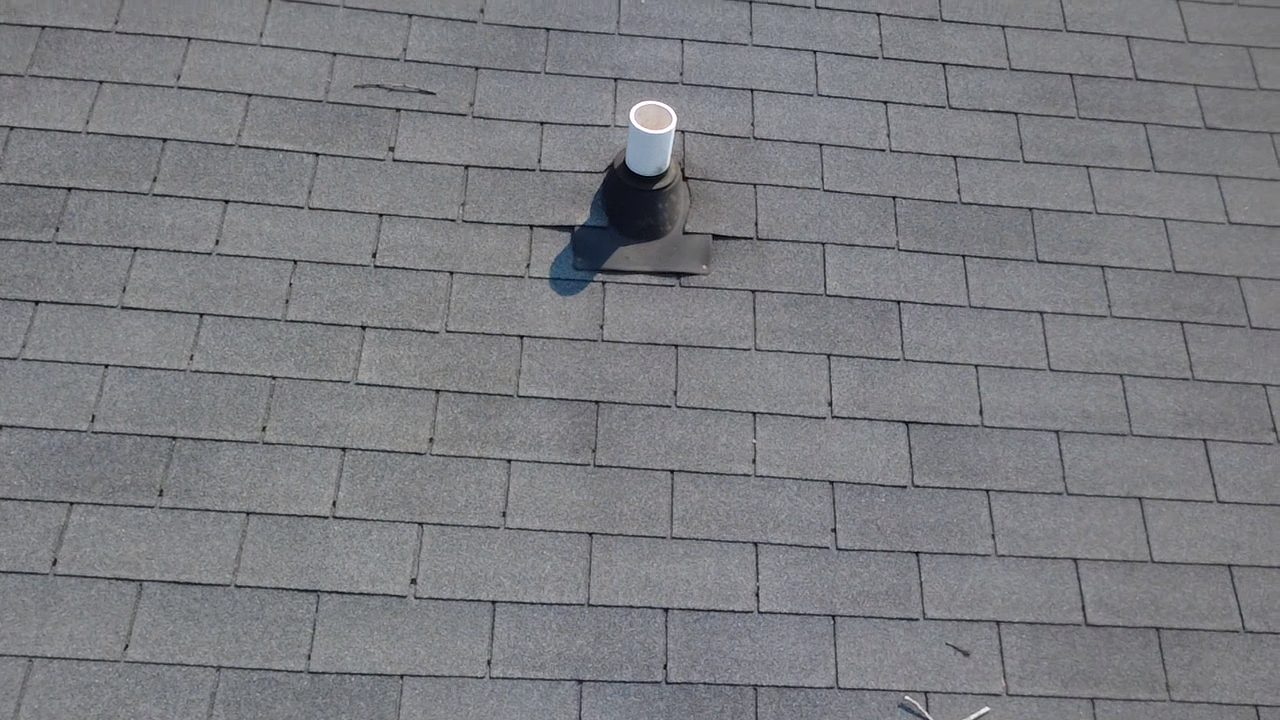
If the roof is relatively young for its material type, shows even wear, and the inspection finds no structural concerns, a targeted roof repair can safely extend its life. In these situations, you are protecting your home and keeping value in a roof system that still has years left.
Quality matters a lot in repair work. Professional repairs should include:
- Matching shingle type and color as closely as possible
- Properly tying new materials into the existing underlayment
- Correct nails and fastening patterns so new shingles stay put
- Careful sealing so the repair does not create a weak spot
It is also important to think about warranty concerns and overall system performance. A good roofing contractor will explain how the repair fits with your existing roofing materials and whether it affects any manufacturer coverage.
Real Decision Criteria to Compare Repair vs Replacement
After a detailed roof inspection, you still need a simple way to weigh your options. We like to walk homeowners through a few clear decision points.
First, think about remaining roof life versus the pattern of problems:
- How old is the roof compared to the normal life of that material?
- Are leaks or issues popping up more often in the last few years?
- Have past repairs actually solved problems or just quieted them for a short time?
Next, consider risk to the inside of your home. Even a small, slow leak can damage insulation, drywall, flooring, and personal items. If your inspection shows multiple weak spots, the risk of a bigger leak goes up.
A helpful guideline is to look at the percentage of damage. When a large portion of the roof surface is compromised or when critical parts like underlayment and decking are failing in more than one area, replacement often becomes the more economical long-term option. You are investing once in a full system instead of chasing problems across the roof.
There are also practical factors that can tip the balance:
- Are you planning to sell your home soon and want to avoid inspection surprises?
- Is there potential insurance coverage for recent storm damage?
- Do you want to upgrade materials, improve energy performance, or adjust ventilation?
- Would you prefer to time the work before heavy seasonal rain or freeze-thaw cycles?
Putting all these pieces together with your inspection report helps you choose with your eyes open, not under pressure after the next leak.
Turn Your Roof Inspection Into a Confident Next Step
A roof inspection is only useful if you understand it and feel comfortable with the next step. Ask for photos, simple explanations, and clear descriptions of what is urgent versus what can be watched over time. When the situation falls into a gray area, it is reasonable to have both repair and replacement options laid out so you can compare them.
At Vest Construction, we use our experience as a licensed, insured roofing and construction company led by a Professional Engineer to connect inspection findings to the right scope of work. Sometimes that means a precise repair. Other times it means storm restoration or a full roofing and home renovation plan. Our goal is to give North Georgia homeowners real information so they can choose repair or replacement with confidence before the next big storm tests their roof again.
Get Started With Your Project Today
If you are unsure about the condition of your roof, schedule a professional roof inspection with Vest Construction so we can identify issues before they turn into costly repairs. Our team will give you honest feedback, clear options, and a plan that fits your home and budget. Reach out today to discuss your roofing concerns or to request an appointment through our contact page.