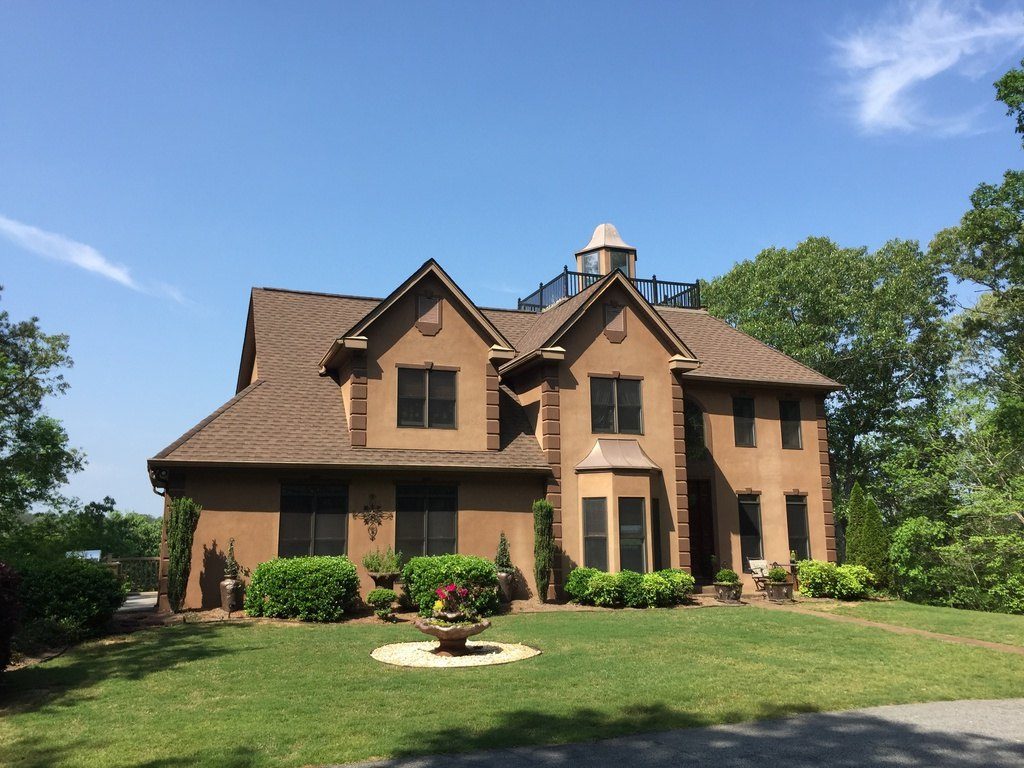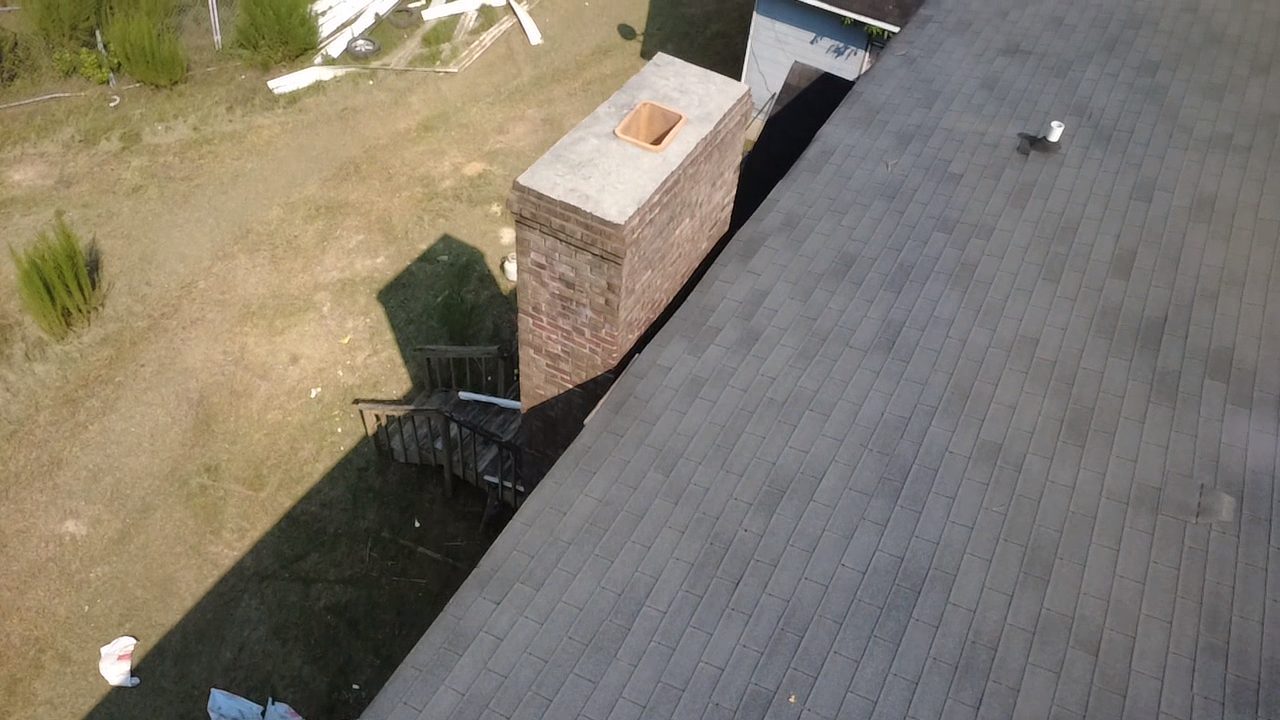
A roof inspection is one of the simplest ways to protect your home from leaks and water damage. When you catch small roof problems early, you give yourself time to fix them before heavy rain, strong wind, and cold weather move in.
In North Georgia, we see hot, humid summers, fast-moving thunderstorms, and the occasional late-summer hurricane system that brings long, soaking rain. All of that puts stress on shingles, flashing, and roof structure. A careful inspection in late summer, before fall storms, can help keep your home dry through the wetter months.
This question-based roof inspection checklist lets you look for trouble without climbing onto steep slopes or trying risky DIY repairs. By asking simple questions and paying attention to what you see, you can decide when it is time to call a licensed roofing and construction professional for a closer look.
Questions to Ask Before You Even Look Up
Before you step outside, start with a few questions that give context for your roof inspection. These help you understand how much stress your roof has seen and whether it might be in a higher risk stage of its life.
Ask yourself: What recent weather has my home faced? Think back over the past few months and make a quick mental list of events like:
- Hailstorms or pounding rain
- Strong wind that moved patio furniture or tree limbs
- Branches that hit or scraped the roof
- Long periods of heavy, soaking rain
If you remember big storms, there is a higher chance your roof has hidden damage. It can also help to look at nearby homes from the street or check neighborhood social media posts. If neighbors are talking about roof problems, your roof might be affected too.
Next, ask: How old is my roof and what material is it? If you are not sure, you can often find clues in:
- Home closing paperwork
- Old roofing or remodeling invoices
- Notes from the previous owner or builder
Common roof materials in North Georgia include asphalt shingles and various metal systems. Many asphalt shingle roofs are ready for closer attention when they reach their later years, especially if they have seen strong storms. Metal roofs often last longer but still need regular checks at seams and fasteners. If your roof is older and has been through many severe weather seasons, it is more likely to need professional care.
Then ask: When was my last professional roof inspection? If you cannot remember a licensed roofer or contractor looking at your roof in the last year or two, it may be time. Regular inspections help find loose shingles, weak flashing, and small leaks before they spread and show up as stains inside your home.
Curbside Questions to Assess Roof Condition Safely
Now step back to the curb or edge of your yard where you can see the whole roof without standing under it. You should still stay on the ground. Never climb onto the roof.
Start with: What do my shingles look like from the ground? From a safe distance, look for:
- Shingles that lay flat and uniform
- Curling or buckling edges
- Missing shingles or obvious gaps
- Shiny nail heads or bare spots where granules are gone
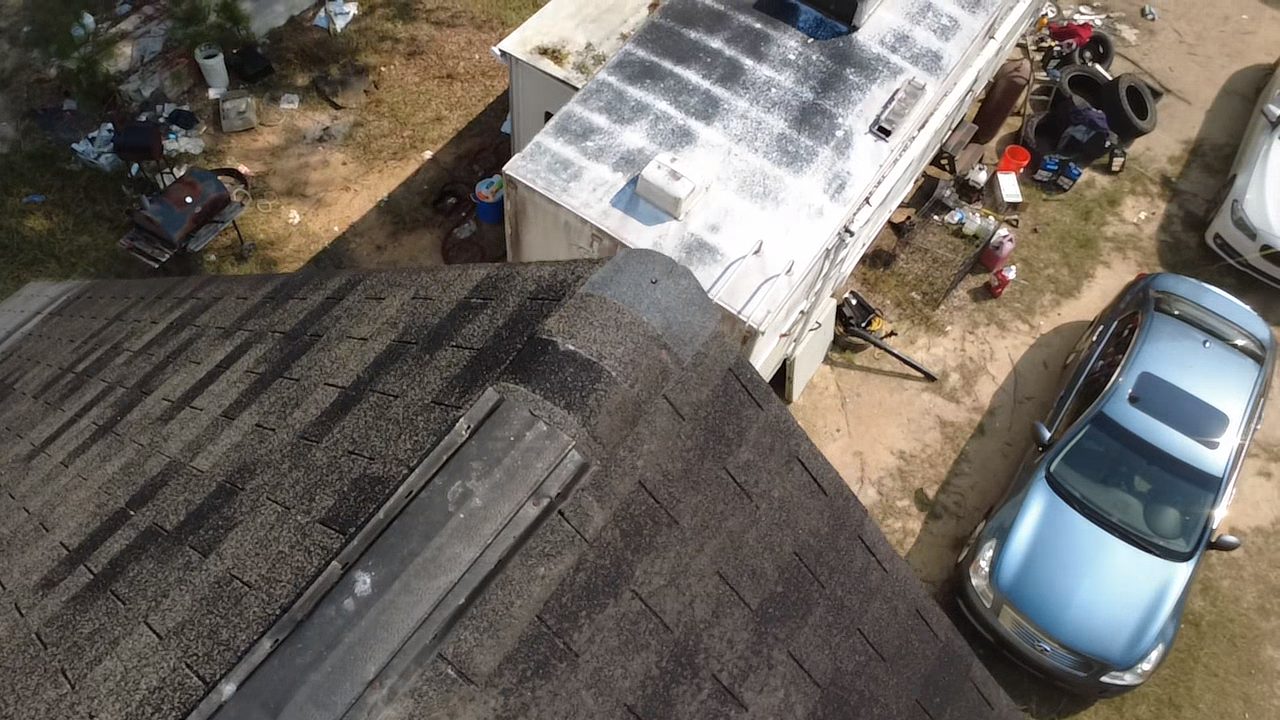
If you see patches of darker or lighter shingles, that can mean past repairs or uneven aging. These areas may be weaker and need a closer look from a professional.
Next, ask: Do I see sagging, dips, or uneven rooflines? Scan the ridges, valleys, and long slopes. You want to see straight, even lines. A visible dip or wavy area might point to structural concerns, wet or damaged decking, or long-term moisture problems. Any sagging is a serious warning sign and should be checked by a licensed contractor or an engineer as soon as possible.
Also ask: Are there visible issues around chimneys, vents, and skylights? These roof penetrations are common leak points. From the ground, look for:
- Cracked, bent, or missing metal flashing
- Rust streaks or dark stains below the flashing
- Loose or crooked vent pipes
If you see anything that looks loose, rusted, or out of place, that area deserves a professional inspection before heavy autumn rains arrive.
Exterior Walk-Around Questions for Gutters and Ground
Next, walk safely around the outside of your home. You will focus low on the gutters, siding, and ground, all of which can give early clues about roof problems.
Start with: What are my gutters and downspouts telling me? Look for gutters that are:
- Sagging or pulling away from the fascia
- Overflowing or showing signs of past overflow lines
- Full of leaves, twigs, or piles of shingle granules
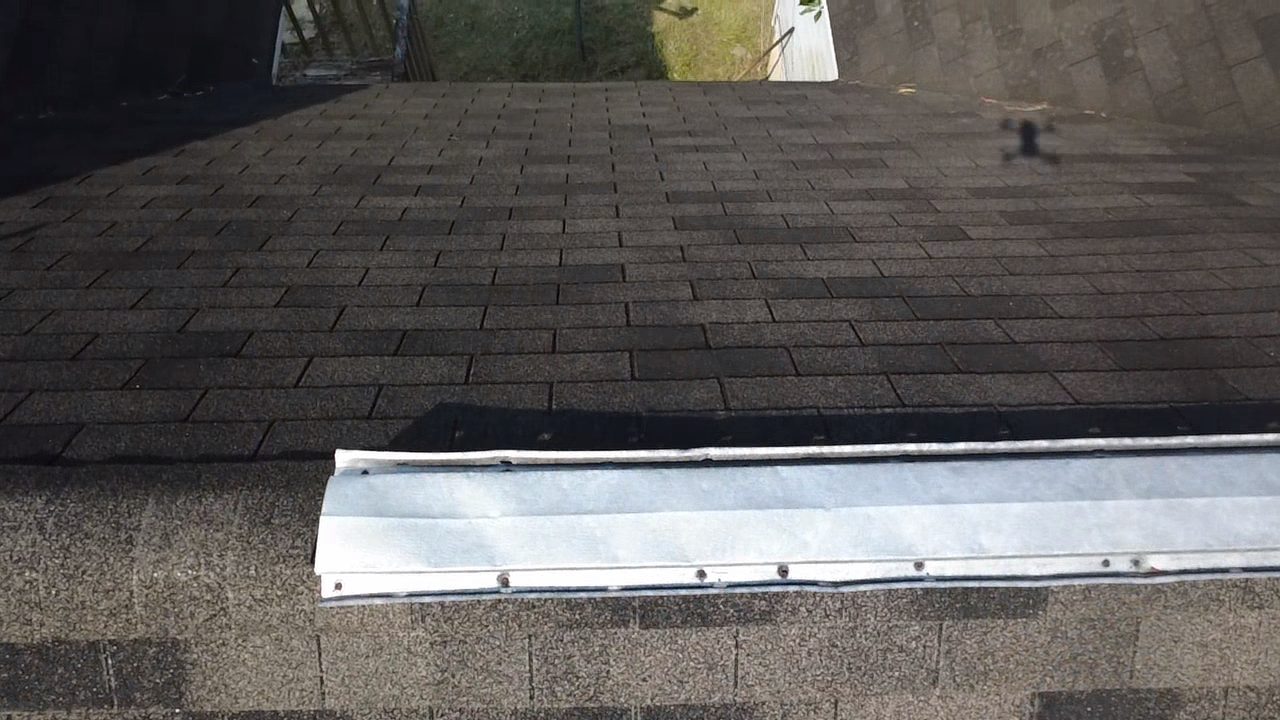
Granules in the gutters can be a sign that shingles near the end of their life are shedding their top layer. Check that downspouts are still firmly attached and sending water away from your foundation, not dumping it right at the base of your house.
Then ask: Do I see signs of water where it should not be? Walk the perimeter and look near the roofline for:
- Dark streaks on siding or brick
- Rot, softness, or peeling paint on fascia or trim
- Water stains on exterior walls under roof edges
These clues can point to leaks at the roof edge, drip edge issues, or gutters that are not carrying water correctly.
Finally, ask: What clues are on the ground and in the yard? After strong summer storms, it is common to find small pieces of roofing on the ground. Watch for:
- Shingle tabs or corners
- Small bits of metal that could be flashing
- Loose roofing nails in driveways or flower beds
A one-time piece of debris might be storm-related. Repeated debris after several storms often means ongoing roof deterioration and is a strong sign that a professional roof inspection is a smart next step.
Indoor Questions to Catch Leaks Early
Now move inside and use the same question-based approach to find early signs of moisture.
Start with: Do my ceilings or walls show stains or discoloration? Pay special attention to rooms directly under the roof, like upstairs bedrooms and hallways. Look for:
- Yellow, brown, or gray stains
- Bubbling or peeling paint
- Hairline cracks or soft spots in drywall
Even faint stains can be the first sign of a slow leak that will get worse with steady fall rain.
Next, ask: What do my attic and insulation look like? On a dry day, carefully peek into the attic using safe lighting and a solid surface to stand on. Look for:
- Dark spots on wood rafters or sheathing
- Damp or compressed insulation
- Daylight shining through where it should be solid
Musty smells, mold spots, or soggy insulation are clear signs that moisture is getting in somewhere above, and a roofing professional should investigate.
Also consider: Are there changes in indoor comfort or energy bills? If some rooms feel much hotter in summer or colder in winter than they used to, or if your attic stays extremely hot or stuffy, your roof system or ventilation might not be working as it should. These issues are often easiest to address as part of a complete roof inspection.
When Your Answers Signal It’s Time to Call a Pro
Once you have gone through the questions, take a moment to think: How many red flag answers did I find? Signs like missing or curling shingles, ceiling stains, attic moisture, sagging areas, repeated debris, or problem gutters all count. A few minor concerns may mean it is time to plan a professional inspection. Even one serious warning sign, like active dripping, large stains, or any sagging, calls for prompt attention.
Also ask: What can I safely handle and what should I avoid? Some homeowners may feel comfortable clearing low gutters from a stable ladder or picking up debris in the yard. But climbing onto steep, wet, or aging roofs is never safe, and structural repairs, storm damage, or flashing work should always be left to licensed and insured roofing professionals who have the right training and equipment.
For homes in North Georgia, working with a local roofing and construction team that understands our weather patterns and building styles can make a real difference. Vest Construction is a licensed and insured roofing and construction company in North Georgia, led by a Professional Engineer and licensed General Contractor. When your answers raise concerns, a professional roof inspection can give you clear answers and a plan so you can move into the stormier seasons confident that your roof is ready to protect your home and family.
Get Started With Your Project Today
If you are unsure about the condition of your roof, schedule a professional roof inspection with Vest Construction so we can identify issues before they become expensive repairs. We will walk you through our findings and recommend practical next steps that fit your home and budget. Reach out today and let our team help you protect your property for the long term, or contact us with any questions.