Why North Georgia Homeowners Are Rethinking Roofs
Storms in North Georgia feel stronger than they used to. Heavy rain, gusty wind, and scattered hail can beat up an asphalt shingle roof in a short time. Many homeowners start to notice missing shingles, small leaks, or stains on ceilings long before they expected roof trouble.
That is why more people across our area are asking about metal roofing. They want something tougher, something that does not need to be replaced so often, and something that can stand up to harsh weather from summer through winter. Metal roofing often comes up in those talks, but so do a lot of myths.
As a licensed and insured roofing and construction company in North Georgia, led by a Professional Engineer and licensed General Contractor, we look at roofs differently. We see the structure, the building science, and the long-term performance, not just the surface material. Let us walk through the most common myths about metal roofing and share what is really true before the next storm season hits your home again.
Myth: Metal Roofing Is Too Loud in North Georgia Storms
Many people think of a noisy metal roof because they remember old barns or sheds. Those older roofs were often just metal panels fastened over open framing with no solid deck, no underlayment, and very little insulation. Rain and hail could ring against that bare metal with nothing to block the sound.
Modern residential metal roofing is built very differently. Today’s systems usually include:
- Solid roof decking
- Quality underlayment under the metal panels
- Attic insulation and finished ceilings inside the home
All these layers work together to cut down on sound. In many homes, a properly installed metal roof is about as quiet as an asphalt shingle roof during a heavy rainstorm. What you hear inside has more to do with how the whole roof system is built than with what material sits on top.
From an engineering point of view, sound moves through layers. Wood sheathing, underlayment, air space in the attic, and insulation all absorb and slow that sound. When we design and install a metal roof, we look at that full stack of materials so your home feels calm and comfortable even when the weather outside is loud.
Myth: Metal Roofs Make Homes Hotter in Southern Summers
Another common worry is that metal roofing will turn a house into an oven in summer. People hear that metal can heat up in the sun and assume that heat must come straight into the home. The truth is more simple and less scary.
Heat transfer through a roof depends on:
- Roof color and finish
- Attic ventilation
- Attic insulation
- Sun exposure and shade around the home
Metal roofing can actually work very well with these factors. Many metal products are available with reflective paints or special finishes. These surfaces bounce a lot of the sun’s energy away from the roof, instead of soaking it in. That can help lower attic temperatures during long, hot stretches and those warm fall afternoons we often see in North Georgia.
When we install metal roofing, we pay close attention to attic airflow and insulation. A roof system that sheds heat instead of trapping it can help your air conditioning work more efficiently and make upstairs rooms feel more comfortable. The metal itself is not the problem. A well-planned metal roofing system can be part of the solution.
Myth: Metal Roofing Is Only for High-End or Rural Homes
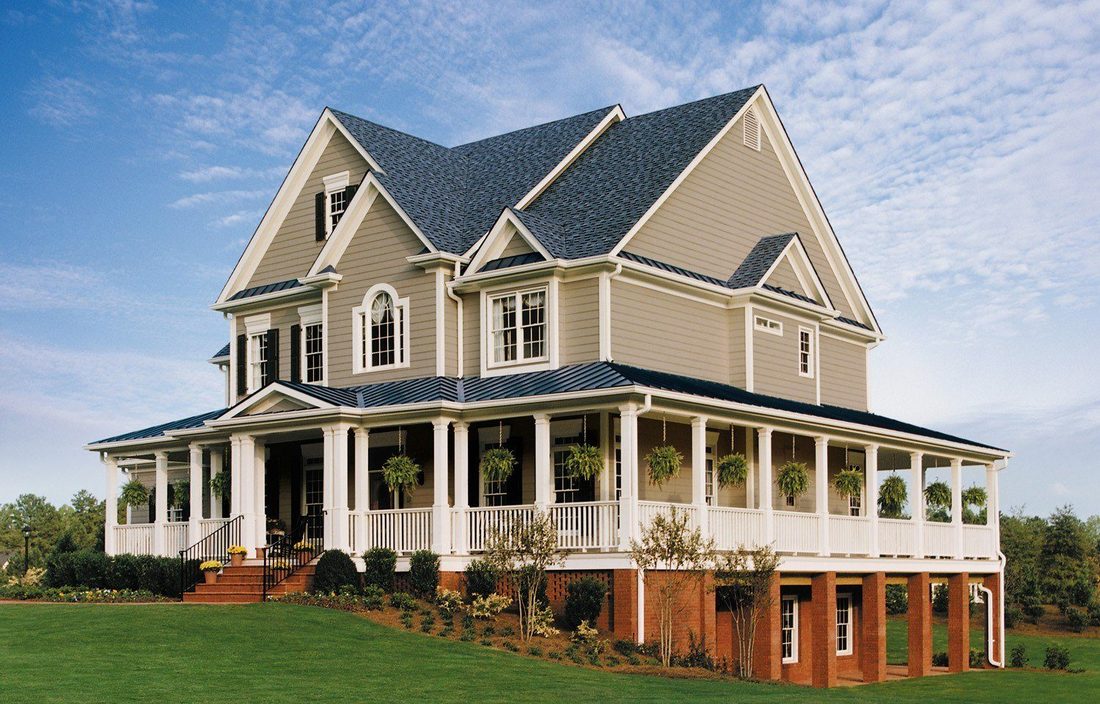
Metal roofing is not just for farm buildings or luxury mountain houses anymore. Modern options come in profiles and colors that fit right in with typical North Georgia neighborhoods.
You can choose from:
- Sleek standing seam panels for a clean, modern look
- Metal shingles that mimic traditional shingle patterns
- Colors that complement brick, stone, siding, and trim
This breaks the old “barn roof” image. Agricultural panels are still around, but residential metal roofing is designed for curb appeal. It can work with classic brick ranch homes, craftsman styles, lake houses, and more.
Some homeowners also think metal roofing is only for very high-end projects. While we do not talk about exact costs here, we can say this: many people forget to look at the full life of a roof. Metal often lasts longer than standard shingles, needs fewer repairs, and handles storms better. In storm-prone areas like ours, that durability can pay off over the years in less damage, fewer emergency repairs, and a more confident resale story when it is time to move.
Myth: Metal Roofs Are Risky in Lightning, Hail, and Snow
Lightning is one of the biggest fears people share. It feels natural to think metal might pull lightning toward your home. In reality, metal roofing does not attract lightning. Lightning looks for the tallest object or the best path to ground, not a certain roof material.
If a structure does get struck, metal roofing can actually help in a couple of ways:
- Metal is non-combustible; it does not catch fire from the strike itself
- The roof can spread the energy over a larger area
- Proper grounding and building design help manage that energy safely
Hail is another concern, especially with fall storms in North Georgia. Quality metal roofing is made and tested to handle impact. Metal can flex, dent slightly, and still keep its protective layer. Many standard shingles can crack, break, or lose granules when hit, which can shorten their life more quickly.
Snow and ice may not be constant here, but we do see winter events. Metal roofing has a smoother surface than shingles, so snow is more likely to slide off instead of piling up in thick, heavy layers. When we design a roof, we also consider structure and loads. A system planned by an engineer-led team looks at the occasional snow weight, freeze-thaw cycles, and how the roof will move water away from critical areas.
How Vest Construction Designs a Metal Roof That Lasts
The real strength of metal roofing comes from the full system, not just the visible panels. Since our team is led by a Professional Engineer and licensed General Contractor, we start each metal roof by looking at the structure and building science behind it.
We focus on:
- Roof framing and structural loads
- Local building codes and wind exposure
- Proper ventilation and moisture control
From there, we design the roof as a complete system. That includes underlayment, flashing, ventilation details, fasteners, and trim, all chosen to work with North Georgia’s climate. Every piece matters for long-term performance.
Because we also handle residential roofing, restoration, and remodeling, we think about how the new metal roof will tie into the rest of your home. That means matching roof lines, blending with siding and gutters, and protecting key areas like valleys, chimneys, skylights, and porches. The goal is a roof that looks like it was always meant to be there and is ready for many storm seasons to come.
Ready for a Stronger Roof Before Next Storm Season
As the weather cools and storms shift from afternoon downpours to winter fronts, it is a smart time to look up at your roof. Curled shingles, missing tabs, granules in the gutters, or small leaks inside are all signs your current roof may struggle with the next round of harsh weather.
If you are curious about metal roofing, a good next step is a professional roof inspection and a clear comparison between asphalt shingles and metal for your specific home. With the right design and a careful installation, metal roofing can give North Georgia homeowners a quiet, comfortable, and durable roof that is ready for whatever the next season brings.
Get Started With Your Project Today
If you are considering upgrading tometal roofing, our team at Vest Construction is ready to walk you through every step. We will assess your home, explain your options, and provide a clear, detailed estimate so you can make a confident decision. To schedule a consultation or ask questions, simplycontact usand we will respond promptly.