A metal roof over shingles can be a smart way to upgrade your home without ripping everything down to the wood. Many North Georgia homeowners like this option because it can be cleaner, faster, and less stressful than a full tear-off, especially when storms are in the forecast. It can also give your home a stronger, long-lasting roof when it is designed and installed the right way.
In this article, we explain how a metal roof over shingles works, what it does well, where it can cause problems, and when a full tear-off is still the better plan. We will also walk through how we, as a licensed roofing and construction company owned and operated by a Professional Engineer and licensed General Contractor, look at your roof before giving any recommendation.
Upgrade Your Roof Without Tearing Off Shingles
Installing a metal roof over shingles means your old shingle roof stays in place as a base layer, and new metal roofing is installed on top. The goal is to give you the benefits of metal without the mess and time of stripping every shingle. For many homes in North Georgia, that can be a big relief, especially when you want the project done between summer storms.
Some common benefits for homeowners include:
- Shorter project timelines
- Less debris and mess around your home
- Fewer days with your roof exposed to weather
- Often lower labor and dump fees compared to full tear-off
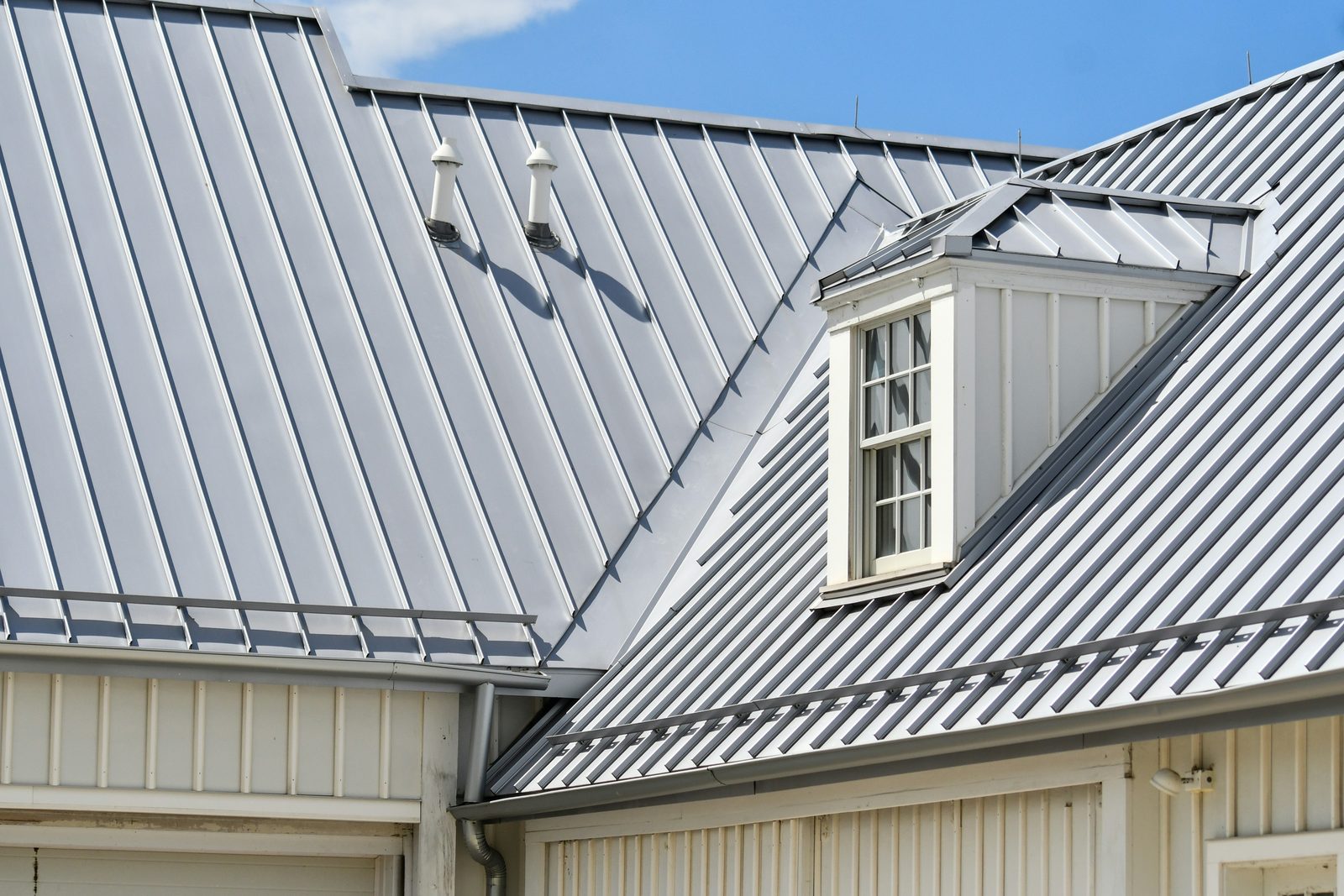
Not every roof is a good fit for this method. The structure under the shingles has to be sound, and the existing roof has to meet building code and manufacturer rules. That is why a careful evaluation by a Professional Engineer and General Contractor is so important before you decide.
How Metal Roof Over Shingles Works in North Georgia
The basic process starts with a full inspection, inside and outside. We look at the shingles, flashing, and roof decking from above, and we also look in the attic for signs of leaks, sagging, or poor airflow. Any soft spots, water stains, or signs of long-term leaks need to be fixed before metal goes on top.
Once we know the decking is solid, the typical steps are:
- Repair damaged decking or framing if needed
- Install an appropriate underlayment over the shingles
- Add furring strips or purlins if the metal system calls for them
- Install metal panels, trim, and flashing to manufacturer specs
Local building codes and metal roofing manufacturers set limits on how many roof layers are allowed, how much weight the structure can hold, and how details like fasteners, valleys, and edges must be handled. The pitch of your roof matters too. Steeper roofs common in some North Georgia neighborhoods may shed water easily, while lower-slope areas around porches or additions need special attention so water does not back up under the metal.
Venting is another key factor in our climate. Hot, humid summers mean your attic needs proper intake and exhaust so heat and moisture do not build up under the new metal roof. Chimneys, skylights, valleys, and transitions between roof sections also need careful flashing so water is pushed away instead of pulled under the metal panels.
Pros and Cons of Installing Metal Over Existing Shingles
There are some clear upsides to leaving your shingles in place under a new metal roof. Many homeowners choose this option because it can:
- Cut down on tear-off waste going to landfills
- Speed up installation and limit disruption around the home
- Reduce labor and debris hauling costs compared to full removal
- Add a bit of extra sound and thermal buffer under the metal
But there are also real risks if the roof is not checked and prepared correctly. Some of the main concerns include:
- Hidden moisture, rot, or mold trapped under old shingles
- Extra weight on older framing or trusses
- Warranties that could be voided if installation does not meet code or manufacturer rules
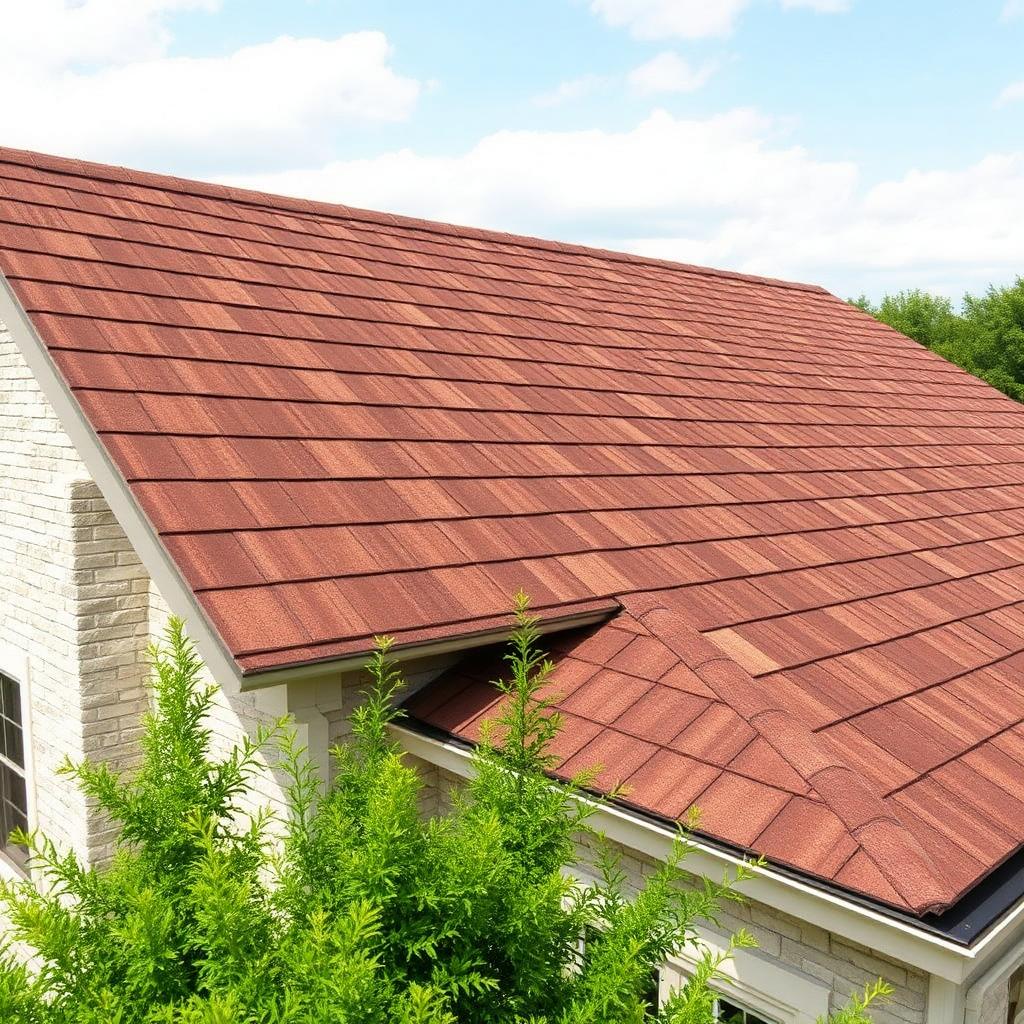
This is why a detailed roof and attic inspection is so important before choosing a metal roof over shingles. We look for decking damage, signs of long-term leaks, existing ventilation problems, prior patch jobs, and any area where water has had a chance to sit. If those issues are not fixed first, even a new metal roof can end up with problems down the road.
Durability, Energy Savings, and Storm Protection
Metal roofing holds up well to the mix of heat, humidity, and storms we see in North Georgia. When installed the right way, it can resist wind uplift better than worn shingles, and the hard surface can handle small hail and heavy afternoon rain without the same surface wear you might see on an older shingle roof.
Energy performance is another reason many homeowners like metal. Light or reflective metal finishes can help lower heat gain on sunny days. Paired with proper underlayment and attic ventilation, this can reduce how hard your AC has to work, especially in late summer when the heat and humidity both sit high.
Some general things to keep in mind about durability and care:
- Metal roofs often last much longer than standard asphalt shingles
- A well-installed system over sound shingles and decking can provide strong leak protection
- Seasonal visual checks from the ground and from the attic can catch small issues early
- Keeping valleys, gutters, and lower roof areas clear helps water move off quickly
Regular attention, even if it is just a quick look after a big storm, goes a long way toward keeping your metal roof performing well.
Cost, Timeline, and When Tear Off Is the Better Choice
The overall cost of a metal roof over shingles depends on several main factors, including:
- Roof size and pitch
- Type of metal system, such as standing seam or exposed fastener
- Condition and number of layers of existing shingles
- Number of valleys, dormers, skylights, and chimneys
Because there is less demolition and cleanup, installing metal over shingles can often shorten the project timeline. That means fewer days with workers on site and less time where parts of your roof might be open to pop-up showers.
Still, a full tear-off is sometimes the smarter long-term investment. We usually recommend removing all old roofing if:
- There are multiple existing shingle layers
- The roof deck shows sagging, rot, or structural damage
- There are major ventilation issues that need a fresh start
- You are planning large renovations or solar installations that will interact with the roof
In these cases, starting clean lets us correct underlying problems, update ventilation, and give you a roof assembly that is built for the long haul.
How Vest Construction Evaluates Your Roof and Next Steps
At Vest Construction, every metal roof over shingles project starts with a careful evaluation. As a roofing and construction company in North Georgia that is owned and operated by a Professional Engineer and licensed General Contractor, we look at both the structure and the finishes. That includes checking the attic for moisture or sagging, confirming that the framing can handle the added weight, and reviewing code and manufacturer requirements for your specific roof.
We also bring our restoration and full home renovation experience to the conversation. If there is storm damage, past leaks that affected ceilings or walls, or plans to remodel around the same time, we can look at how the roof decision fits into the whole home. After the inspection, we provide a clear recommendation on whether a metal roof over shingles is appropriate for your home or if a full tear-off and replacement would be safer and more reliable in the long run.
Get Started With Your Project Today
If you are considering a durable upgrade, we can help you determine if a metal roof over shingles is the right fit for your home. At Vest Construction, we walk you through options, timelines, and costs so you know exactly what to expect. Reach out today and let our team put together a roofing plan that fits your goals and budget. If you are ready to move forward or have questions, simply contact us to schedule a consultation.