Why North Georgia Homeowners Are Choosing Metal Roofs
A lot of North Georgia homeowners start thinking about their roof when cooler weather, heavy rain, and the risk of winter storms are on the way. If your shingles are curling, you see missing tabs, or you have small leaks, it is smart to plan a replacement before rough weather hits. Many people are drawn to metal roofing and want to understand metal roof cost per square foot so they can plan ahead.
Metal roofs work well in our local climate. In the foothills and mountain areas, we see strong winds, hail, and heavy downpours. A well-designed metal roof can handle that kind of weather with less wear than many standard shingle systems. It also sheds water quickly, which helps protect valleys, low-slope areas, and tricky transitions.
Knowing how the metal roof cost per square foot is calculated helps you compare estimates and avoid surprise add-ons later. We are led by a Professional Engineer and licensed General Contractor, and we focus on engineered inspections and detailed, written estimates instead of guesswork. That approach helps you understand what you are paying for and why.
What Drives Metal Roof Cost Per Square Foot
Metal roof cost per square foot comes from several key choices and conditions on your home. The main drivers are the type of metal system, how complex the roof shape is, and what goes underneath the panels.
Different material types affect cost and appearance, such as:
- Exposed-fastener panels, a more budget-friendly option with visible screws
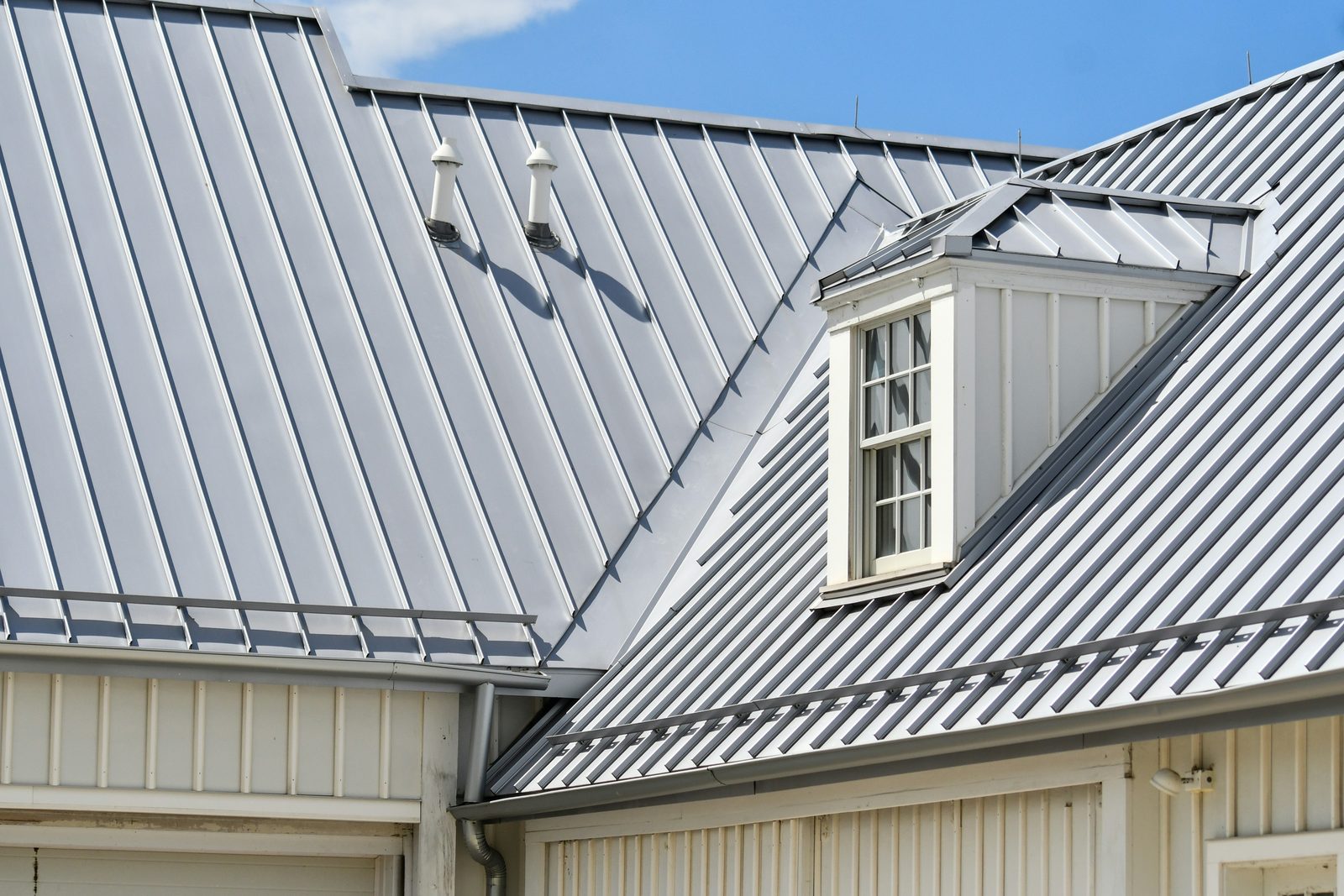
- Standing seam systems, with hidden fasteners and a cleaner look
- Premium metals and finishes, such as aluminum or specialty coatings for higher corrosion resistance
Roof shape and structure matter as well. A simple, low-slope gable roof is typically easier and faster to install than a steep roof filled with hips, valleys, dormers, and skylights. More cuts, bends, and trim pieces mean more time and more metal parts, which raises the total cost per square foot. Existing problems like rotten decking or sagging areas must be corrected before a new metal system goes on.
Underlayment and other components play a big role in both performance and price. Important items include:
- Synthetic underlayment chosen for metal roofing
- Ice and water shield in valleys and around penetrations
- Ventilation upgrades such as ridge vents and intake vents
- Engineered fastening patterns that match wind and weather conditions
In North Georgia, local codes and weather patterns matter. Roofs need to be designed and installed with wind, driving rain, and storms in mind. A professional, engineered approach helps make sure your metal roof is not just attached to the house, but actually designed as a system that fits our local conditions.
Typical Price Ranges for North Georgia Metal Roofs
Many homeowners start by asking for a single number for metal roof cost per square foot. In reality, there are different ranges based on the system and the home. Entry-level metal panel systems most often fall at one end, mid-range standing seam sits in the middle, and premium systems with upgraded metals and finishes land at the higher end. Real pricing always comes from an on-site inspection and a written scope of work.
It also helps to understand how roof size is calculated. A 2,000 square foot home does not always equal a 2,000 square foot roof. Steeper pitches, multiple roof sections, covered porches, and complex shapes increase the roof area. Roofing professionals measure each section to figure out the true square footage of roofing and trim pieces.
Tear-off and preparation can affect cost per square foot as well. If your old shingles are stacked in multiple layers, if the decking is damaged, or if there are past installation shortcuts, those have to be corrected. Skipping tear-off or covering problems can shorten the life of the new metal system and lead to leaks that are harder to trace.
Seasonal timing can also matter. Planning a fall installation often gives enough time to finish the roof before the coldest, wettest months. Some homeowners also find that material availability and crew schedules can be easier to work with outside of peak summer months.
Comparing Metal Roofs to Asphalt Shingles Over Time
Many people compare metal roof cost per square foot to asphalt shingles and are surprised by the difference. Metal usually costs more upfront. The bigger question is how much you pay over the full life of your home. Metal roofing is designed to last longer with fewer full replacements, while standard shingles usually need to be replaced more often.
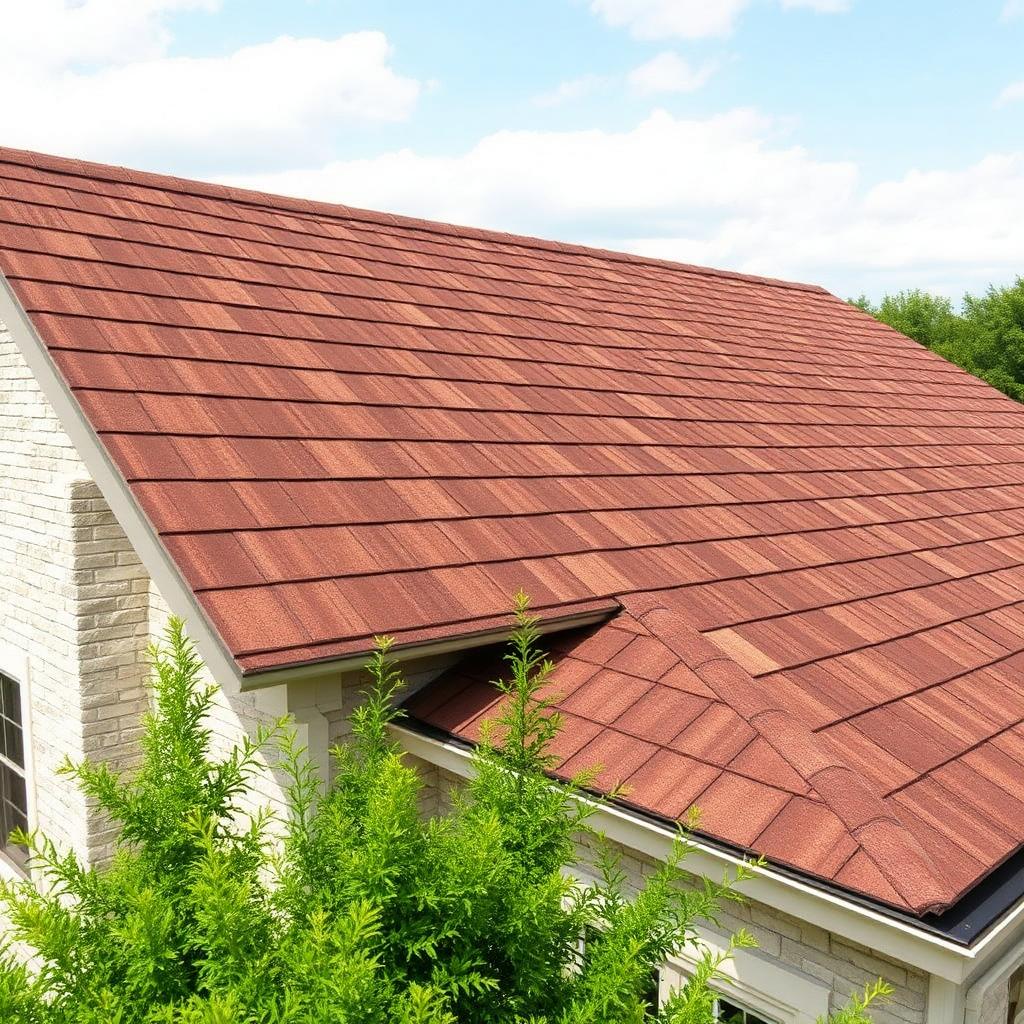
When you look at cost per year of service instead of the first invoice, metal often becomes more competitive. Lower repair needs and fewer full tear-offs can make a big difference over time. There is also peace of mind in knowing your roof is built to hold up to repeated storms and hot summers.
Energy performance is another factor. With proper underlayment and ventilation, metal roofing can reflect more heat away from the home. That can help keep attics and bonus rooms more comfortable and may ease the load on your AC during our hot North Georgia summers.
Insurance and resale value also matter to many homeowners. The impact resistance and fire performance of metal roofing can be helpful topics to discuss with your insurance provider. On the resale side, buyers often like a home with a long-lasting, low-maintenance roof that has been professionally designed and installed.
Why Engineering and Installation Quality Matter
Metal roof cost per square foot is not just about the panels you see. The design and installation behind those panels are just as important. A Professional Engineer can evaluate your roof structure, support paths, and fastening schedule to help confirm the roof system is appropriate for your home and location.
Key installation details protect your home from problems like leaks, corrosion, and noise. These details include:
- Correct flashing at walls, chimneys, skylights, and valleys
- The right fastener types, lengths, and spacing for your roof framing
- Trim and edge details that control water and wind uplift
- Proper ventilation so the roof system can dry out and temperature can be managed
Working with a licensed General Contractor helps keep the project in line with local building codes and manufacturer guidelines. That is important for your safety and also for keeping warranty coverage in place. A slightly higher initial cost for a carefully engineered, quality-focused installation often leads to fewer repairs and less stress when storms come through.
Over time, that careful planning can mean fewer surprises, fewer emergency calls, and a roof that quietly does its job in every season.
Ready for a Fall Roof Upgrade: Plan Your Next Step
Planning ahead is key if you want a new metal roof in place before harsh winter weather. Many homeowners like to start with an inspection in late summer or early fall, then allow time for material selection, final measurements, and installation. That way, the new roof is ready before the heaviest rain, wind, and potential ice arrive.
When you ask Vest Construction for an estimate, you can expect an engineered roof inspection, careful measurements, and a detailed, line-by-line written estimate. We explain metal roof cost per square foot for your specific home, review material options, and talk through any underlying structural or ventilation issues we see. Our goal is to help you move forward with clear information, a solid plan, and a roof that fits both your budget and your long-term goals.
Get Started With Your Project Today
If you are comparing options for your next roof, we can walk you through how metal roof cost per square foot fits into your budget and long-term plans. At Vest Construction, we break down materials, labor, and lifespan so you can make a confident, informed decision. Reach out and tell us about your home or building, and we will provide clear recommendations tailored to your goals. If you are ready to move forward or have questions, simply contact us to get started.