A roof insurance claim is not a negotiation — it's a documentation contest. The adjuster's job is to write the smallest scope of work the policy allows. Your job (and ours, when we're on the project) is to make the real damage impossible to ignore. Here's how successful roof claims get paid in Georgia, step by step.
Step 1: Know what your policy actually covers
Pull your declarations page before you do anything else. Look for three things: whether your roof is written as Replacement Cost Value (RCV) or Actual Cash Value (ACV); your wind/hail deductible (often a percentage of the dwelling coverage, not a flat number); and any cosmetic damage or roof-age endorsements that limit payout on older shingles.
Step 2: Get an independent inspection first
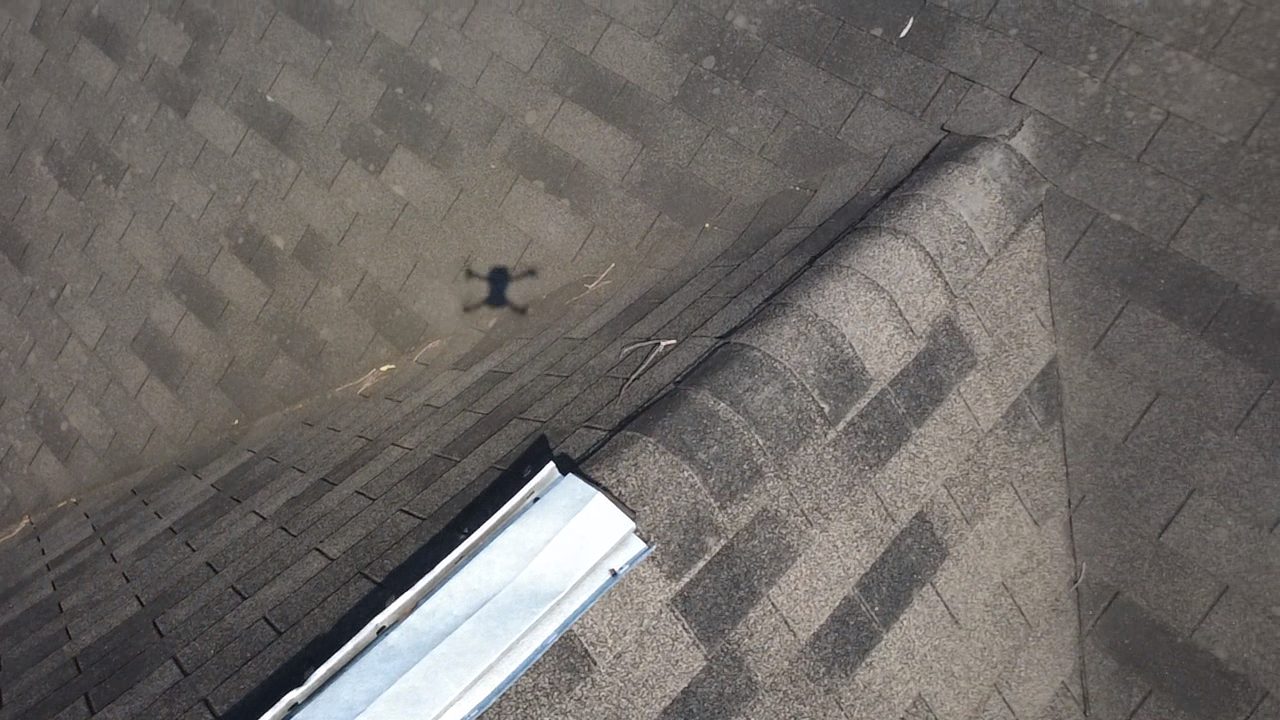
Do not open a claim before someone qualified has walked the roof. If there is no covered damage, an unnecessary claim goes on your CLUE report and can affect future premiums. If there is damage, an independent report gives you a documented baseline before the adjuster arrives — and prevents the “we didn't see anything” visit that ends the conversation.
Step 3: Photograph everything before repairs
- Wide shots of every roof slope from the ground
- Close-ups of hail hits with a coin or chalk marker for scale
- Every soft-metal accessory: gutters, downspouts, vents, flashing, HVAC fins
- Interior ceiling stains, attic decking, and any wet insulation
- The date and time on every image (your phone does this automatically)
Step 4: File the claim yourself
Call your carrier's claims number and give them the storm date, the type of damage (wind, hail, or fallen limb), and the fact that a licensed contractor has inspected. Ask for the claim number in writing and the assigned adjuster's contact info. Do not sign anything from a door-knocker who offers to “handle the claim for you” — in Georgia, contractors are not licensed public adjusters and that practice can void your claim.
Step 5: Meet the adjuster on-site with your contractor
This is the single most important step. Your contractor walks the roof with the adjuster, points out every hit, matches damage to the storm date, and asks for every code-required item to be included: ice-and-water shield, drip edge, ridge vent replacement, decking repair as needed. A good contractor knows the Xactimate line items and will not let common ones get missed.
Step 6: Read the scope of loss carefully
The adjuster sends a scope of loss (also called an estimate or worksheet) within a few days. Compare it line by line against the contractor's estimate. Common items that get left off: starter strip, ridge cap, painted flashings, satellite dish detach/reset, and code upgrades. Any missing line items are addressed via a supplement.
Step 7: Submit supplements with evidence
A supplement is a formal request to add missing scope or price corrections. Photos, code citations, and manufacturer specs win supplements. Emotion does not. Most legitimate supplements get approved — carriers know their initial scope is often incomplete.
Step 8: Understand how you get paid
If you're on RCV, you get the ACV check first (RCV minus depreciation minus deductible), then the depreciation check after the work is completed and invoiced. You always pay your deductible — any contractor who offers to “eat” or “waive” it in Georgia is committing insurance fraud, and it's your name on the paperwork.
Step 9: Complete the work and close the claim
Once the roof is installed, your contractor sends the final invoice and the depreciation is released. Save every document — final invoice, permit, manufacturer warranty, and adjuster correspondence — for at least the life of the roof.
Red flags to avoid
- Any contractor who wants a large deposit before materials are ordered
- “We'll handle the whole claim, you don't have to talk to your carrier”
- “Sign this so we can inspect” — often an AOB (assignment of benefits)
- Pressure to file a claim on a roof that isn't obviously damaged
- No physical office, no Georgia license number on the contract
How Vest Construction helps
As a licensed Georgia general contractor owned by a Professional Engineer, we document damage the way adjusters expect to see it, meet them on-site, write clean supplements when scope is missed, and install to code — so the depreciation gets released without drama. If you think a storm may have damaged your roof, call (770) 525-7874 for a free inspection.